

The world of technology moves very fast. New ideas like artificial intelligence (AI) pop up all the time. But as tech changes, so do the rules about how companies can use it. In 2026, the UK is making many quick changes to its laws for technology companies. This means that leaders at even the biggest UK companies and small startups must pay close attention.
These new rules cover important areas. Think about:
- AI (Artificial Intelligence): How can AI be used fairly and safely?
- Data Privacy: How do companies protect your personal information?
- Competition: Are big tech companies playing fair, or are they too powerful?
- National Security: How can technology be kept safe from harm, both inside and outside the country?
The UK government wants to make sure these new rules work well together. That’s why they created the Digital Regulation Cooperation Forum (DRCF) in July 2020. This group helps different regulators talk to each other. Members include the Competition and Markets Authority (CMA), the Information Commissioner’s Office (ICO), Ofcom, and the Financial Conduct Authority (FCA). They all work to guide how technology is used in the UK, making sure it benefits everyone safely Digital Regulation Cooperation Forum.
So, what does this mean for company bosses and their teams? They need to make smart choices. They have to understand these new rules and make sure their products and services follow them. If they don’t, companies could face big problems or fines. It’s about staying ahead and making sure their first group companies are always doing things the right way. Keeping up with these changes is a big job for anyone in the tech world.
To help you understand these important updates, we recommend checking out The AI Newsletter Worth Reading. It gives clear, daily insights into AI and technology policy.
The UK has a special way of setting up its tech rules, which makes it stand out from other places. Instead of one huge law for all tech, the UK uses a mix of existing laws and new ideas to keep things safe and fair. This approach aims to help new technologies grow while also protecting people.
Main Laws and How They Work
In 2026, many laws help guide how technology is used. For example:
- Data Protection: Rules like the UK GDPR and the Data Protection Act 2018 tell companies how they must handle your personal information. This is very important for all kinds of businesses, from the largest UK companies to smaller ones.
- Online Safety: The Online Safety Act helps keep people safe online, especially children, by making sure social media and other platforms deal with harmful content.
- Competition: New plans, like the Digital Markets, Competition and Consumers Bill, are made to ensure that big tech companies play fair and don’t stop smaller companies from growing.
These laws show that the UK wants to find a good balance. They want to encourage new ideas and products, but not at the cost of people’s safety or fair markets. It’s a tricky path, and the government hopes its way will work well.
How the UK Is Different
The UK’s way of dealing with tech rules is often called a "pro-innovation approach." This means it tries to support new technologies, like advanced AI and ledgent technology, without putting too many strict rules on them right away.

For AI especially, the UK government has chosen a "principles-based" approach. This means they set general guidelines and let existing regulators apply them, rather than creating a brand-new, very detailed law just for AI A pro-innovation approach to AI regulation: government response. This is different from, say, the European Union, which has a specific AI Act with lots of strict rules. The UK believes its flexible approach helps innovation flourish From Turing to Tomorrow: The UK’s Approach to AI Regulation.
The Digital Regulation Cooperation Forum (DRCF), mentioned earlier, plays a big part here. It brings together different regulators to share ideas and work together. This helps them make sure all the different rules about tech fit together nicely. You can think of it as a team that makes sure the UK’s overall tech policy is smooth and smart Full article: Coordinating digital regulation in the UK. Understanding these rules is a key part of how first group companies build safe and compliant systems.
What’s Getting the Most Attention in 2026
In 2026, the four main areas that get the most attention in UK tech policy are still:
- Artificial Intelligence (AI): How to make sure AI is used safely and fairly, encouraging new ideas without causing harm. For more on this, check out how AI agent governance is being handled.
- Data Protection: Keeping your personal data private and secure is always a top priority.
- Competition: Making sure no single company becomes too powerful in the digital world.
- National Security: Protecting the country from online threats and making sure critical tech is safe.
These areas are where most of the new rules and discussions are happening. It’s a busy time for anyone involved with technology in the UK. Comparing the UK’s rules to those in other countries can help businesses plan better, too. You can learn more about this by reading our Tech Policy 2026: Global Comparison of AI Regulations Across the US, EU, China, and Beyond.
The UK’s distinct approach to tech rules, focusing on innovation while maintaining safety, relies heavily on several key regulators. These bodies work to put the general guidelines into practice, making sure that companies, from startups to the largest UK companies, follow the rules. Knowing who these regulators are and what they do is super important for anyone in the tech world in 2026.
Key UK Regulators Tech Companies Must Watch
The main job of these regulators is to make sure tech companies act responsibly. They do this by setting detailed rules and checking that businesses follow them. Here are the most important ones:
- Information Commissioner’s Office (ICO): The ICO is the UK’s main watchdog for data protection. It makes sure that companies handle your personal information carefully and lawfully under the UK GDPR. In early 2026, the ICO even updated its guidance on how companies should transfer personal data across different countries, aiming to make it clearer for businesses to follow the rules Updated guidance on international transfers published. If a company has a data breach or misuses personal data, the ICO steps in. This is a big deal for any company, big or small, that deals with customer information. You can learn more about how to make sure AI systems are safe and compliant by looking into AI infrastructure 2026: navigating cost, security, and compliance.
- Competition and Markets Authority (CMA): The CMA makes sure that businesses compete fairly. Its goal is to stop huge companies, often called "big tech," from gaining too much power and stopping new, smaller companies from growing. The CMA looks into things like mergers and unfair trading practices. For example, if a new tech idea comes along, the CMA wants to make sure older, bigger companies don’t just buy it up to stop it from becoming a competitor. They work to protect consumers and encourage healthy markets.
- Ofcom: This regulator is in charge of communications services, like internet, TV, and phone services. With the new Online Safety Act, Ofcom now also plays a big role in making sure online platforms are safe, especially for children. They focus on things like harmful content and how platforms protect their users.
- Financial Conduct Authority (FCA): While not purely a tech regulator, the FCA is very important for "FinTech" companies, which are tech firms that work in finance. The FCA makes sure these companies operate fairly and safely for customers, protecting people’s money and investments in the digital world.
How Regulators Work Together
These regulators don’t work alone. They often team up through the Digital Regulation Cooperation Forum (DRCF). This group brings together the ICO, CMA, Ofcom, and FCA to talk, share ideas, and work together on tech rules. This helps them make sure the UK’s overall tech policy is consistent and effective, especially for tricky new areas like artificial intelligence Digital Regulation Cooperation Forum (DRCF). By coordinating, they can better understand how different rules interact and avoid confusing businesses. The DRCF even publishes research to help everyone understand these fast-changing digital markets Research Library.
What This Means for Businesses
Regulator guidance and enforcement truly shape how companies design their products and services. For example, knowing the ICO’s stance on data privacy means a company building a new app must think about how it collects and uses data from the very start. For any business, including those involved with ledgent technology, understanding these rules isn’t just about avoiding fines; it’s about building trust with customers and creating safe, fair products. This focus on clear, principle-based guidance allows tech companies to innovate, knowing the general boundaries they need to respect.
Staying on top of these complex and evolving tech policies is a full-time job for many professionals.
The AI Newsletter Worth Reading offers clear daily AI updates to help you navigate this fast-changing world.
The UK has a unique way of looking at new rules, especially for AI. While other places might make one big new law, the UK has chosen a different path. This started with a special paper in 2023 called the "AI Regulation White Paper" [The UK’s White Paper: A pro-innovation approach to AI regulation]. This paper shared the government’s plan for a "pro-innovation approach to AI regulation".
What does "pro-innovation" mean? It means the UK wants to help new AI ideas and companies grow quickly, without too many strict rules that could get in the way. The government’s answer to feedback on this paper in 2024 made this plan even clearer [A pro-innovation approach to AI regulation: government response]. It said that AI rules should be easy to change, straightforward, and dependable. The goal is for the existing regulators we just talked about, like the Information Commissioner’s Office (ICO) and the Competition and Markets Authority (CMA), to apply these ideas to AI in their specific areas. For example, the CMA would use these principles to make sure big tech companies don’t get too much power with AI.
These ideas are built around five main points: safety, security, being open (transparency), fairness, and being responsible (accountability).
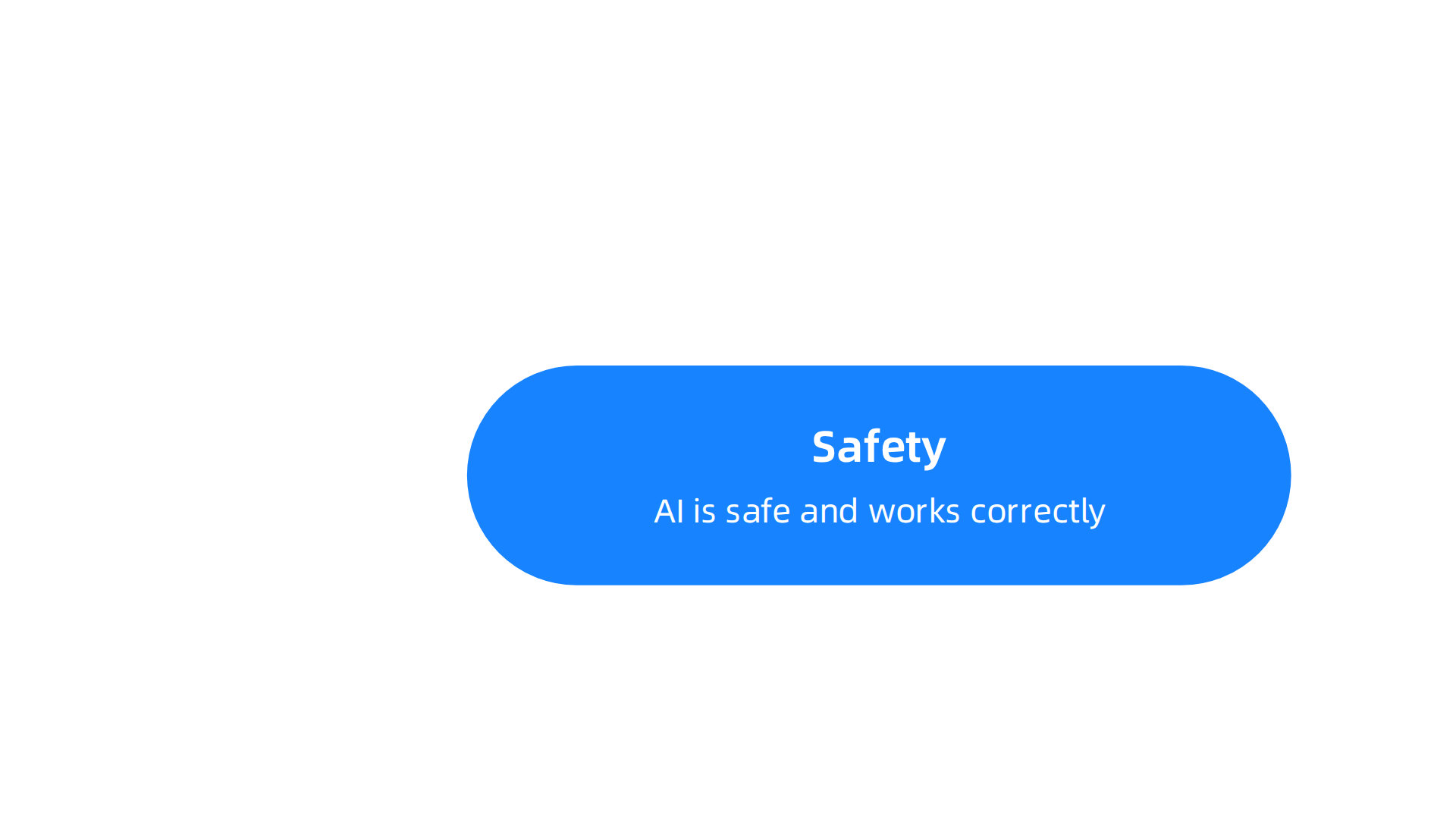
For any company, from new startups to some of the biggest UK companies, and even first group companies exploring new tech, their tech teams need to think about these points right from the start. This includes businesses involved with ledgent technology. When they make new AI products, they must make sure the AI is safe and works correctly without causing any problems. They also need to show how their AI makes decisions (transparency) and ensure it treats everyone fairly.
For tech teams, this means they must learn how to build AI securely and compliantly right from day one. They need to set up strong AI agent governance to make sure their AI systems follow these principles all the time. This also includes doing a rigorous artificial intelligence review for policy compliance. It’s not just about following rules to avoid trouble. It’s about building trust with the people who use their products. This way of doing things, which is seen as a flexible approach to oversee advanced AI development [From Turing to Tomorrow: The UK’s Approach to AI Regulation], means businesses need to keep learning about these changing guides to make responsible AI.
While the UK aims to encourage new AI ideas, it also has strong rules about keeping people’s information safe. This is where the UK’s data protection rules come in, especially the UK General Data Protection Regulation (UK GDPR). This law sets out how companies, including the biggest UK companies and even smaller first group companies, must handle personal data.
The Information Commissioner’s Office, or ICO, is the main group that helps make sure personal data is kept safe in the UK. In 2026, the ICO gave out new guides to make it easier for companies to understand how to send personal data from the UK to other countries [Updated guidance on international transfers published | ICO]. Moving personal data across borders, which are called cross-border data flows, has very strict rules. These rules apply if personal data is being sent or shared with a company outside the UK, and the UK GDPR covers that data [UK ICO issues updated guidance on international transfers].
Sometimes, the UK government decides that another country has "adequate" data protection rules. This means their laws are similar to the UK’s, so data can be sent there more easily [The UK approach to international data transfers]. But if a country doesn’t have these "adequacy" decisions, companies often need to use special contracts. These are called "standard data protection clauses" and they help make sure the data is protected even when it travels outside the UK [What are standard data protection clauses (the UK IDTA …].
For product teams, privacy officers, and companies using new ledgent technology, keeping up with these rules is very important. They need to make sure their data practices follow these guidelines every day. Here are some key checkpoints for compliance:
- Understand the data: Know exactly what personal data your company collects and how it’s used.
- Check where data goes: Always know if any personal data is being sent or made available to organizations outside the UK.
- Use the right tools: If data is transferred outside the UK to a country without an "adequacy" decision, make sure to use approved ways to protect it, like standard data clauses.
- Stay updated: Regulatory rules change, so teams need to keep learning about the latest guidance from the ICO.
Making sure your company follows all these data rules is a big part of regulatory compliance. It helps prevent legal problems and builds trust with customers. It’s not just for big tech firms, but for any business handling personal information. For those who want to understand more about privacy and security in new tech, exploring how to Reimagine Home AI: Navigating Privacy, Security, and Policy in 2026 can be very helpful.
Staying informed about these changing rules can be tough. But getting clear, daily updates makes it much simpler to handle these complex topics.
We know that navigating the world of technology policy, especially with fast-moving topics like AI, can feel like a lot. That’s why we created a simple way to keep you in the loop. The AI Newsletter Worth Reading delivers clear daily updates, helping you cut through the noise and understand what truly matters.
Beyond keeping data safe, there’s another important area where rules guide how the biggest UK companies operate: competition. These rules make sure that businesses play fair and that no single company gets too powerful. This is especially true in 2026, as new ledgent technology and big tech firms keep changing the market.
Competition law looks at how companies interact. It stops them from doing things that might hurt other businesses or customers, like fixing prices or creating monopolies. For the largest UK companies, especially those in fast-growing tech areas, this means paying close attention to how they grow and interact with others.
How Mergers and Acquisitions Are Reviewed
One of the main ways competition rules are used is when companies want to join together, which are called mergers and acquisitions (M&A). Regulators, like the Competition and Markets Authority (CMA) in the UK, look closely at these deals. They want to make sure that a merger won’t reduce competition too much, leading to higher prices or fewer choices for people.
For big tech companies, looking at mergers can be tricky. These companies often buy smaller, newer firms that might one day become big rivals. Even if the smaller company doesn’t make a lot of money right now, it could still be an important future competitor. Because of this, competition authorities are watching these deals more carefully than before, making sure growth through M&A still benefits everyone 2026 Antitrust Year in Preview: Big Tech. This strict review is part of a wider trend in 2026 where global antitrust efforts have become more focused on policy and enforcement Clarity in antitrust.
Checking for Antitrust Risk
Companies, from a first group company to established giants, need a clear way to check for antitrust risks when they are planning growth, new partnerships, or M&A. This helps them avoid legal problems down the road. Here’s a simple approach:
- Understand Your Market: Know who your competitors are and how easy it is for new companies to enter your market. If your company is already very dominant, a merger might be seen as risky.
- Look at the Deal’s Impact: Think about how a new partnership or merger will change the market. Will it make you too big in one area? Will it stop others from competing fairly? For example, in the first half of 2026, technology M&A saw a more assertive approach from digital enforcement bodies, highlighting the need for careful consideration Antitrust & Competition Technology 1H 2026 Update.
- Check Regulatory Trends: Keep up with what competition regulators are focusing on. For instance, in the US, antitrust discussions in 2026 often centered on private equity acquisitions The Trends That Will Define US Antitrust in 2026 – ProMarket. While this example is US-focused, it shows the type of scrutiny to expect globally.
- Get Expert Advice: For complex situations, it’s wise to get help from legal experts who specialize in competition law. They can help you understand all the rules and potential problems.
By being thoughtful about competition rules, especially regarding mergers and how they affect the market, companies can grow safely and responsibly. It’s all about making sure that as big tech and ledgent technology companies innovate, they also help keep the playing field fair for everyone. To learn more about the rules that govern companies, you might find this guide on Mastering Definitions and Corporate Forms for Effective Tech Policy useful.
After learning about the competition rules that keep the market fair, especially for ledgent technology firms, it’s clear that understanding these rules is just the first step. For the biggest UK companies, actually putting these rules into practice and managing potential risks is key. This is where practical compliance, good internal governance, and smart risk planning come in.

Practical compliance, risk mitigation and internal governance for tech leaders
To make sure they follow all the rules and avoid problems, the largest UK companies need strong systems in place. These systems help leaders keep track of what’s happening, what risks there might be, and how to keep things running smoothly and legally in 2026.
Setting Up Clear Governance Structures
Think of governance structures as the backbone of how a company is run. They outline who is in charge of what, and how decisions are made. For a first group company or any large tech firm, this means:
- Clear Roles: Everyone from the board of directors to individual team members needs to know their part in keeping the company compliant. Who is responsible for data privacy? Who checks if new products follow competition law? These questions need clear answers.
- Decision-Making Processes: There should be a set way to make important choices. This helps make sure that legal and ethical concerns are always thought about before a new product launches or a big deal is made.
- Accountability: If something goes wrong, it should be clear who is responsible. This makes sure that people take compliance seriously. Having a strong governance framework ensures accountability from the top down Solutions for Regulatory Risk Management.
Compliance Checkpoints and Documentation
Compliance checkpoints are like regular health checks for a company’s legal standing. They make sure the company is following all the relevant laws and rules.
- Regular Checks: Companies should regularly review their operations to find any areas that might not meet the rules. This includes looking at things like data handling, product safety, and how they advertise. For example, staying compliant with data transfer rules is a big deal for companies working across borders, especially with the UK ICO updating its guidance on international transfers in 2026 Updated guidance on international transfers published | ICO.
- Written Policies: Having clear, written rules for employees to follow is essential. These policies explain how to handle personal data, how to avoid unfair competition, and more.
- Training: All employees, especially those in big tech companies working with sensitive information or ledgent technology, need training on these policies. They should understand why compliance matters and how to do their part.
- Documentation Workflows: Keeping good records of all compliance efforts is super important. This means documenting decisions, training sessions, and audit results. If regulators ask questions, having these records can show that the company tried its best to follow the rules. This kind of structured approach is key for managing compliance effectively Regulatory Change Management: Strategies to Stay ….
Monitoring and Planning for the Future
The world of technology and its rules is always changing. For biggest UK companies, it’s not enough to just follow today’s rules; they also need to think about tomorrow’s.
- Keep an Eye on Changes: Companies should actively watch for new laws or changes to existing ones. This includes new rules about AI, data privacy, and how tech companies work together. Many resources help track global compliance concerns for 2026 10 global compliance concerns for 2026.
- Scenario Planning: This means thinking about "what if" situations. What if a new law makes a current business practice illegal? What if a competitor creates something new that changes the market? By thinking ahead, companies can prepare different plans to deal with these changes. This proactive approach helps reduce risks before they become big problems Compliance Risk Management: Strategies for Effective ….
- Technology for Compliance: Many companies now use special software to help manage compliance. These tools can track regulatory changes, monitor internal processes, and help with reporting.
By focusing on these practical steps, tech leaders in the UK can make sure their companies not only innovate but also operate responsibly and legally. This helps build trust with customers and regulators alike. Want to dig deeper into building AI systems that are safe and compliant? Read our guide on How to Build AI Securely and Compliantly a Step by Step Blueprint.
For daily updates on how AI and technology policy affect compliance, security, and the future of big tech, make sure to get the insights you need.
Get clear daily AI updates from The AI Newsletter Worth Reading.
Summary
This article explains how the UK’s fast‑moving 2026 tech policy landscape affects businesses, focusing on AI, data protection, competition and national security. It outlines the UK’s principles‑based, pro‑innovation approach to AI and how existing regulators — ICO, CMA, Ofcom and the FCA — coordinate through the Digital Regulation Cooperation Forum to apply those principles. The piece describes the main laws companies must follow (UK GDPR, Online Safety Act and new competition measures), practical compliance steps such as governance structures, documentation and training, and the importance of planning for cross‑border data transfers. Readers will learn which regulators to watch, how to reduce antitrust and M&A risk, and how to embed privacy and safety into AI product development. The article stresses that staying informed and using clear internal processes and external advice are essential to innovate legally and build trust with customers and regulators.