
Why understanding new AI categories matters for policy and strategy
In 2026, the world of Artificial Intelligence (AI) is changing faster than ever. New kinds of AI are popping up, and they are very different from each other. This quick growth brings big challenges for how we make rules, how businesses plan for the future, and how everything is managed. It’s like a brand new puzzle for everyone involved.

One of these new types is called synthetic AI. This kind of AI creates data or content that looks real but is made up, not collected from the real world. For example, some AI can make fake pictures of people or new sets of data for training other AIs. The World Economic Forum calls this new kind of data the "new data frontier" because it helps with problems like missing data or keeping things private Synthetic Data: The New Data Frontier.
But it’s not just about synthetic AI. We’re seeing many different AI types grow, like physical AI that works in robots, or swarm AI where many small AIs work together. Each of these unique AIs has its own special features. Because they are so different, they need different kinds of rules and plans.
For people who make decisions in government or business, it can be hard to keep up. There’s so much new information, and not much time to learn it all. This article is here to help. We will explain what these new types of AI are, how they fit together, and what new rules or laws might be needed. We will also give you smart tips for planning your business strategy. Our goal is to give clear guidance so you can make good choices, even when things are changing quickly.
To understand more about how these different AI systems work, you can explore what AI agents explained. These agents are a key part of how AI is being used in new and complex ways.
Do you want to stay informed daily about these fast changes in AI? Get clear daily AI updates from The AI Newsletter Worth Reading.
A practical taxonomy: What we mean by ‘synthetic AI’ and adjacent categories
To make good choices about AI, it helps to clearly understand what each type of AI does. Let’s dig deeper into what we mean by synthetic AI and how it differs from other kinds of AI, like physical AI or swarm AI.
Synthetic AI is mostly about creating things. Think of it like a smart artist or a writer that makes up new content or data. This process relies heavily on something called "generative models." These are special computer programs that learn from existing data to make new, similar data. For example, a generative model can look at many real photos of faces and then create brand new, realistic-looking faces that don’t belong to any real person Generative AI in Depth: A Survey of Recent Advances, Model ….
The new information these models create is called synthetic data. It’s data that is "generated by artificial means," not gathered from the real world Synthetic Data Terminology in Official Statistics. This can be anything from fake images and videos to made-up customer records or medical information. The main idea behind synthetic data is to solve problems like needing more data for training other AIs, keeping real people’s information private, or filling in missing parts of a dataset. It’s important to note that synthetic data is used for analysis or training, while "synthetic media" is content meant for people to consume directly, like deepfake videos.
Another related idea is "simulation-driven agents." These are AIs that learn and work inside made-up digital worlds, or simulations. Instead of interacting with the real world, they learn by trying things out in a computer game-like setting. This lets them practice and get better without any real-world risks.
Different AI, Different Rules
Beyond synthetic AI, we have many different AI categories, and each one needs its own way of thinking about rules and how they are used.
- Physical AI: This is AI that lives in robots or other machines that work in the real world. Think of self-driving cars or factory robots. Their "inputs" come from sensors (like cameras or radar), their "outputs" are physical actions (like steering or moving an arm), and their main "use-case" is to do tasks in the physical world. The "potential harms" here can be things like accidents or damage to property.
- Swarm AI: This involves many small, simple AIs working together to achieve a bigger goal. Imagine a group of drones coordinating to map an area, or tiny robots cleaning a large space together. Their "inputs" are simple signals from each other and their surroundings, "outputs" are coordinated movements, and "use-cases" often involve large-scale tasks that benefit from many small parts. "Potential harms" could include unexpected group behaviors or loss of control over the swarm.
To truly manage these different AI types well, we need to look at what they take in, what they put out, what we want them to do, and what bad things could happen. For instance, the way we evaluate the quality and trustworthiness of synthetic data involves looking at how much it truly reflects real data, how unique the generated samples are, and how useful it is for its intended purpose A Survey on Evaluating Quality and Trustworthiness …. Knowing these differences helps us set the right rules for each one, making sure they are used safely and smartly.
Understanding how these advanced systems are built, from their basic programming structures to their overall design, is crucial for anyone shaping policy. You can learn more about these deeper concepts in AI neural network architectures driving policy, tech, and strategy.
Technical modes and capabilities: How synthetic AI systems are built and evaluated
As we think about managing different AI types, it is important to know how synthetic AI systems are made and how we check if they are working well. This helps us make smart rules.
How Synthetic AI Systems Are Built
Making synthetic AI involves a few key steps. It starts with collecting lots of real information, like many pictures of cats or real sales numbers.
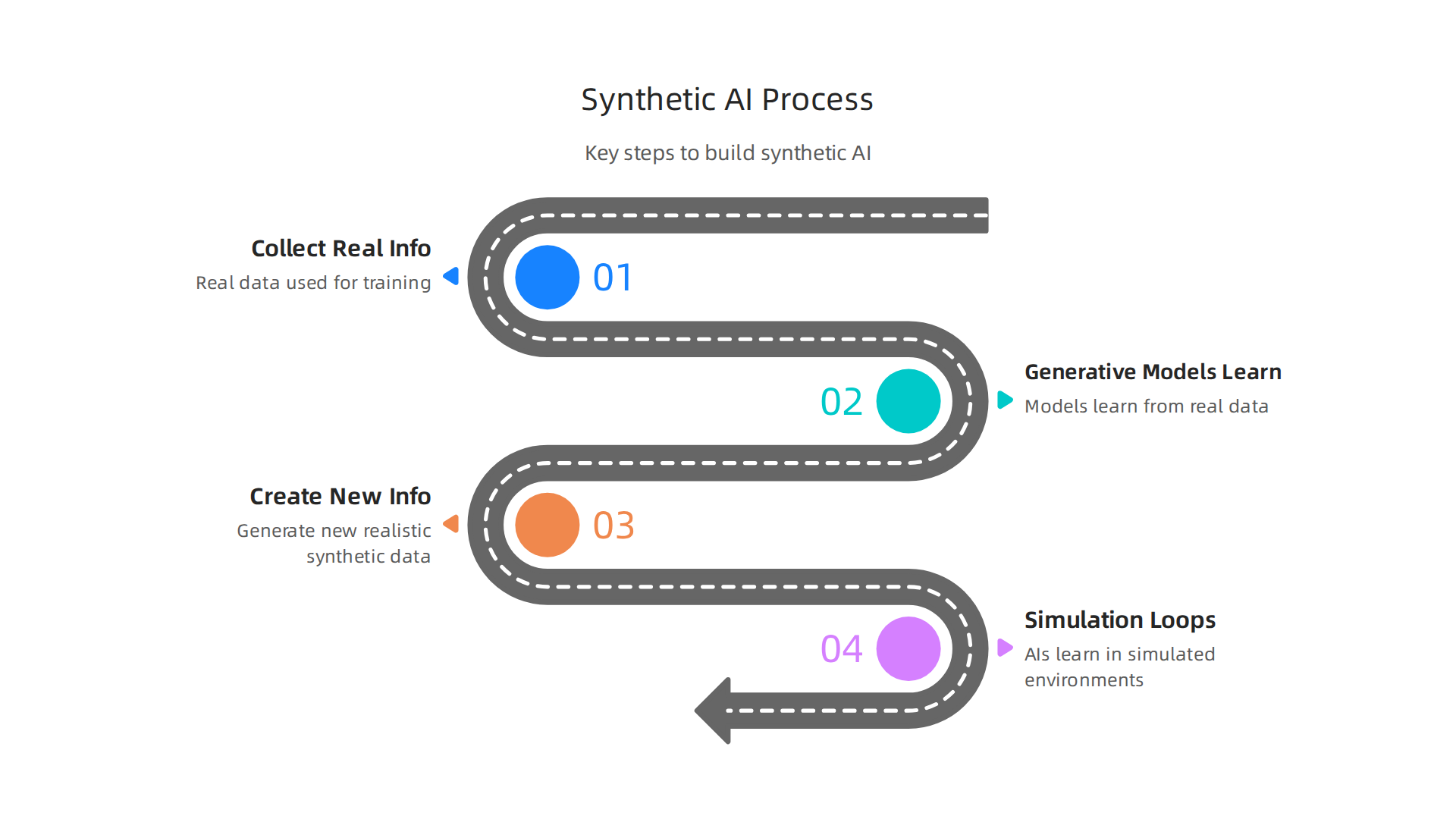
This real information is the "training data."
Next, special computer programs called "generative models" learn from this real data. They look for patterns and rules. Imagine showing a child many drawings of houses. They start to learn what a house looks like: a square body, a triangle roof, a door, windows. A generative model does something similar. It learns the "look" or "feel" of the real data.
Once the model has learned, it can start to create new, fake information that looks very real. This is the synthetic data. It uses the patterns it learned to make something brand new, not just copy what it saw. This process is like our child drawing a new house that they made up, but it still looks like a house because they learned the rules.
Sometimes, these AIs also learn inside make-believe digital worlds called "simulations." This is like a game where the AI can practice tasks over and over without any real danger. These "simulation loops" help the AI get better and better before it might be used in the real world. Think of a self-driving car AI practicing millions of drives in a fake city before ever hitting a real road. Learning how an AI development company brings these systems to life is key for understanding their growth and safety how an AI development company navigates regulation and opportunity in 2026.
How We Check Synthetic AI
After a synthetic AI system creates data, we need to check its quality. This is super important, especially if this data will be used to make big decisions or train other AIs. We look at a few main things:
- Fidelity: This means how much the
synthetic datalooks like the real data it learned from. Does it have the same important features and patterns? For example, if the real data shows that older people buy more of a certain product, does the synthetic data also show this trend? High fidelity means the fake data truly reflects the real world Benchmarking Synthetic Tabular Data. - Novelty (or Diversity): This is about how new and different the
synthetic datais. We don’t want the AI to just copy the real data exactly. We want it to create new examples that were not in the original set, but still make sense. This ensures the AI can create fresh information. A goodsynthetic AIframework also looks at how valid and diverse the data is SynAE: A Framework for Measuring the Quality of Synthetic …. - Predictability (or Utility): This is about how useful the
synthetic datais for its intended purpose. If the goal was to train another AI, does thesynthetic datahelp that AI learn well? If the goal was to keep real people’s information private, did it succeed? This metric tells us if thesynthetic AIactually solved the problem it was designed for.
By carefully checking these points, we can make sure synthetic AI is used safely and helps us in good ways. Keeping up with the fast pace of AI development and policy changes can be a lot of work.
To stay informed on these important topics, consider getting The AI Newsletter Worth Reading. It gives clear, daily updates on AI and technology policy.
Learning how to build and check synthetic AI systems helps us see why clear rules are so important. These rules make sure that this powerful technology is used in a good way, helping people and keeping everyone safe. There are many big areas where synthetic AI needs careful thought and strong rules.
Policy implications: privacy, safety, competition, and national security
When we use synthetic AI, it touches important parts of our lives and countries. This means governments around the world need to make smart rules.

These rules cover things like keeping our personal information private, making sure AI systems are safe, ensuring fair business competition, and even protecting our countries from harm.
Privacy Rules for Synthetic AI
Synthetic AI can make new, fake data that looks real. This can be good for privacy because it means companies can test new ideas without using real people’s private information. But what if synthetic AI is used to make fake profiles or steal identities? That’s why rules about how synthetic data is made and used are key. Companies need to be open about how they use synthetic AI, especially when it might involve personal details. Knowing how to keep personal data safe is a big part of any modern business. To learn more about protecting sensitive company data, you can read about ghost companies explained why hidden ownership matters for corporate transparency.
Keeping Everyone Safe
One of the biggest worries with synthetic AI is when it creates very real-looking fake content. This includes "deepfakes," which are fake videos or sounds that make it seem like someone said or did something they didn’t. These can trick people and cause real problems. To keep us safe, governments are making rules that say when content is made by AI, it must be clearly marked. For example, in 2026, many rules started in Europe. They say that when you talk to an AI, it must tell you it is an AI. Also, any fake content made by a machine must have a special mark, and deepfakes need clear labels AI Regulation Weekly Brief Week ending 8 August 2026. India also has rules about labeling synthetic content to stop harmful deepfakes Government has issued multiple advisories emphasizing ….
Fair Competition and National Security
Synthetic AI also affects how businesses compete. If some companies have better or less regulated synthetic AI tools, it can be unfair. Governments want to make sure everyone plays by the same rules so that competition stays healthy.
When we talk about national security, synthetic AI brings new challenges. It can be used to spread fake news, trick people, or even create powerful new tools for defense. How countries manage different AI types, from physical AI that controls robots to swarm AI used by many small drones, becomes very important for keeping a nation safe. For deeper insights into this topic, you can explore SVR Intelligence understanding national security AI in 2026.
Rules Across Borders
Making rules for synthetic AI is hard because AI doesn’t stop at borders. What is allowed in one country might be against the law in another. This means different countries have to work together to create rules that make sense everywhere. For instance, the European Union’s AI Act has new requirements for transparency in 2026, and similar ideas are being seen in US laws Global AI Regulations 2026: Updates, EU AI Act & US Laws. Understanding these global differences is key for anyone working with AI today. You can read more about this in a tech policy 2026 global comparison of AI regulations across the US EU China and beyond.
These rules and discussions are always changing. Keeping up with them helps us guide synthetic AI so it benefits everyone safely and fairly.
The world of synthetic AI is changing fast, and so are the rules that guide it. Governments everywhere are working to create laws to make sure this powerful technology is used safely and fairly. This means businesses that use or build synthetic AI need to pay close attention to new rules and how to follow them.
What Laws Are We Seeing in 2026?
In 2026, many new rules for AI are coming into play. The most talked-about is the European Union’s AI Act. This act has new requirements for how AI should be used. For example, if you are talking to an AI system, it must tell you that it is an AI EU AI Act: Updated Enforcement Timeline. Also, any content made by AI, like pictures or videos, needs to be clearly marked. This is especially true for "deepfakes" to prevent people from being tricked Global AI Regulation in 2026. These rules started to become fully active in August 2026, and companies face big fines if they do not follow them Global AI regulation tracker 2026.
Other countries are also making their own rules. India, for example, has updated its IT rules to deal with AI-made content, requiring public-facing synthetic content to have clear labels Global Digital Policy Roundup: February 2026. In the US, states like California are also bringing in their own laws to make AI more transparent DCO Policy Tracker. These efforts show how important it is to have clear rules for all different AI systems, including those that create data, control robots (physical AI), or manage many small drones (swarm AI).
What Companies Need to Do to Follow the Rules
For businesses, following these new synthetic AI rules means a few things:
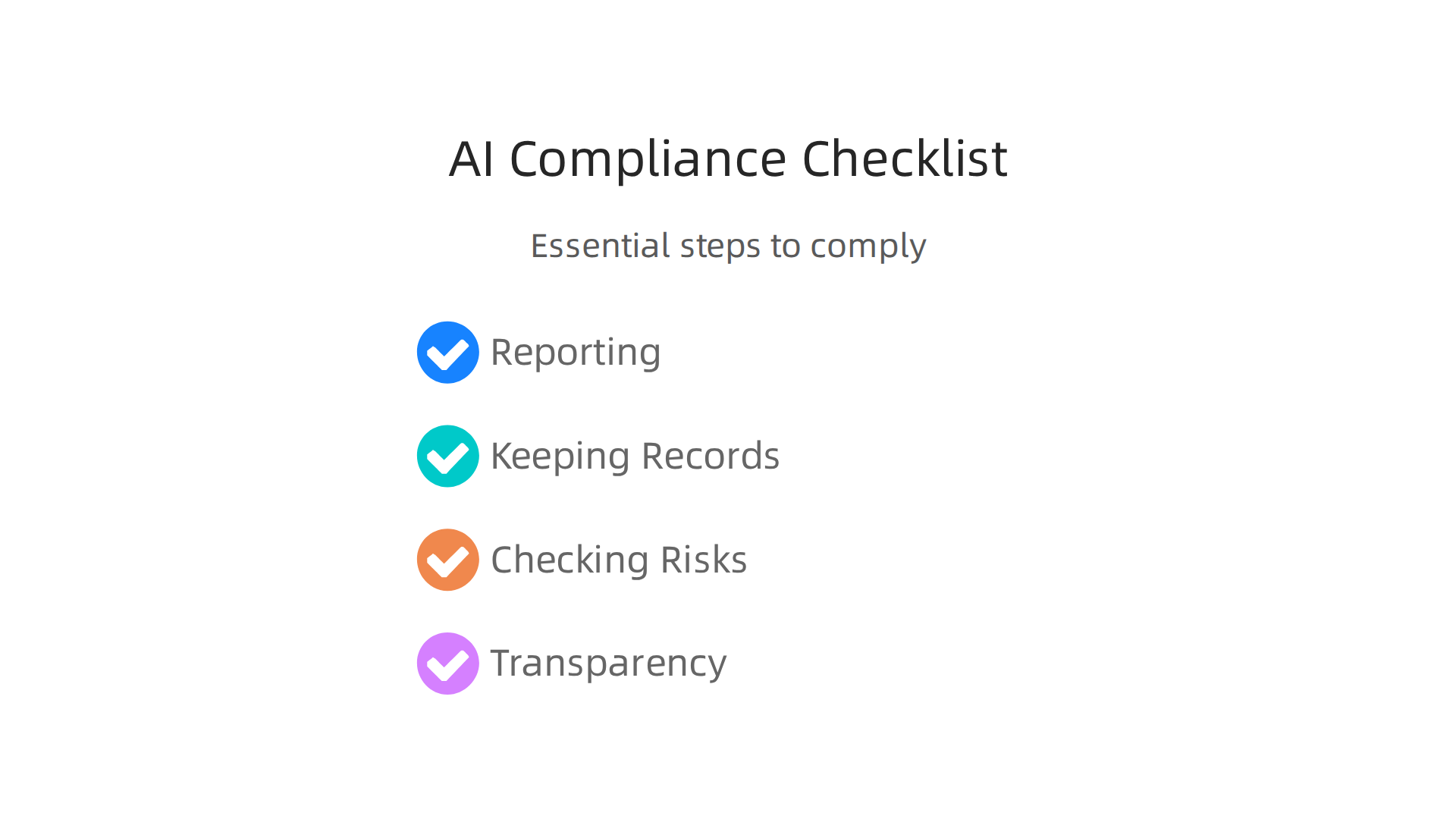
- Reporting: Companies might need to tell governments how they are using AI, especially for systems that are high-risk. This helps authorities keep an eye on things.
- Keeping Records: It’s important to keep good records of how your AI systems work and how they were trained. This proves you are using AI responsibly.
- Checking Risks: Businesses must regularly check their AI systems for any dangers or problems they might cause. This is called a risk assessment. For example, before using a new
synthetic AItool, a company should think about how it might affect privacy or fairness. - Transparency: As mentioned, if your AI talks to people or creates content, you need to be clear about it. Hiding that something is AI-generated can lead to penalties.
Making sure your company follows these rules is vital. It’s not just about avoiding fines, which can be very large; it’s also about building trust with your customers. Learning how to build AI in a way that is secure and compliant is a must for any business today. You can find more about this in our guide on how to build AI securely and compliantly.
Staying Ahead of the Game
The rules for synthetic AI are still growing and changing. What is a proposal today might be a law tomorrow. To stay on top of all these changes, businesses and policy leaders need to keep learning. Understanding these updates helps companies make smart choices, reduce risks, and keep their business growing strong. For example, knowing about the new requirements of the EU AI Act can help you expand your business safely into Europe.
It can be hard to keep up with all the daily changes in AI policy. If you want to get clear daily AI updates right to your inbox, then you should sign up for The AI Newsletter Worth Reading. This is a great way to make sure you have the latest information.
Staying informed about new AI laws is just the first step. For businesses, the real work lies in putting these rules into practice every day. This means looking closely at how your company uses AI and making sure you have strong plans to avoid problems and follow the law. This is called managing operational risk.
Getting Ready: Practical Steps for Your Company
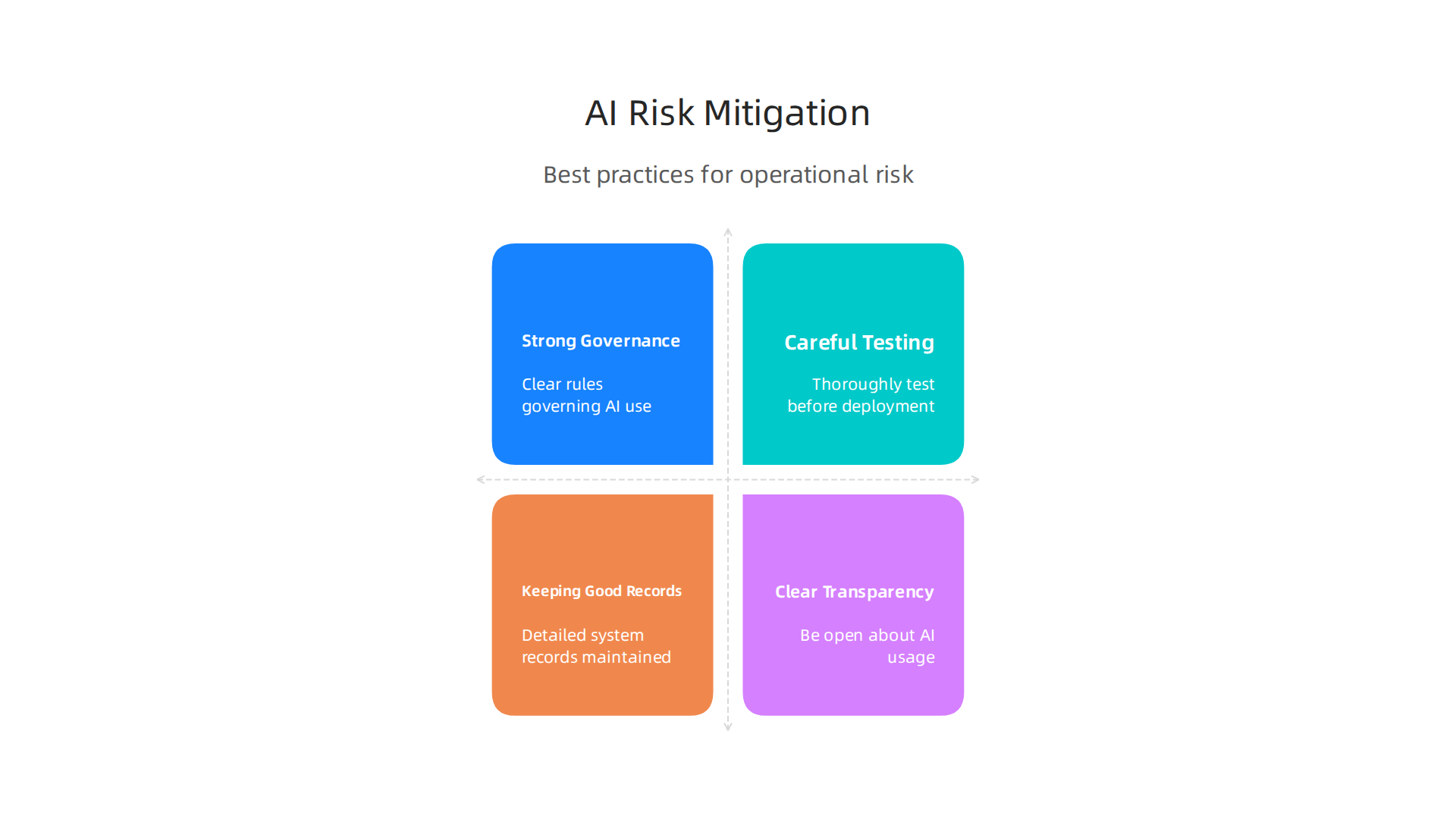
To manage risks from synthetic AI and other advanced systems, companies should focus on a few key areas:
1. Strong Governance and Rules
Good governance means having clear rules for how you use AI. This includes setting up special roles, like an AI officer, and having a group or board review how AI is used. Companies should also create policies that clearly state what is okay and not okay when using AI systems AI Compliance: Regulations, Controls & Best Practices. For any synthetic AI data used, it’s wise to have clear rules about its quality and how it can be used across different teams Synthetic Data Governance Silicon Valley Enterprises 2026. This helps avoid mistakes and makes sure everyone is on the same page. You can learn more about guiding strong AI with academic foundations.
2. Careful Testing and Checking
Before any different AI system, especially a high-risk one, starts working for real, it needs to be tested thoroughly. This includes checking not only systems that create data, like synthetic AI, but also physical AI that controls robots or swarm AI that manages many drones. Testing helps make sure the AI is fair, safe, and works as it should. Experts look at things like "fidelity," which means how much the synthetic data looks like real data, and "utility," which means how useful the data is Benchmarking the Fidelity and Utility of Synthetic. Regular tests and reviews are needed to catch any new problems that come up NIST AI 100-4 Synthetic Content Guide 2026 – Move78.
3. Keeping Good Records (Audit Trails)
Being able to show how your AI systems work is very important. This means keeping detailed records. For example, you should have "model cards" that explain what a specific AI model does, how it was trained, and its limitations AI Governance Best Practices in 2026. You also need to track where all the data used to train your AI came from. This is called "data lineage." For synthetic AI, it is important to track who generated what and when Synthetic Data Pipelines for Enterprise AI — Guide 2026. These records help you prove you are following the rules and can be used in an audit. Building proper audit trails is a key step to meeting new laws 98% Use GenAI. 13% Enforce Synthetic Data Compliance..
4. Clear Transparency
As laws require, businesses must be open about their use of AI. If synthetic content is created by AI, it needs to be clearly marked. You might also need to use "watermarking" to help identify AI-made content Synthetic data governance gets specific: provenance, labels. This helps build trust with users and shows that your company is responsible.
By following these best practices, your company can not only meet the new rules but also build a strong and trustworthy foundation for using AI in 2026 and beyond. This approach helps reduce risks and lets your business grow confidently with these powerful new tools.
Moving beyond just following the rules, businesses in 2026 need to think smarter about AI. This means looking ahead and playing a part in how new rules are made. It’s about being ready for different futures and helping to create the best one.
Strategy and policy engagement: how organizations should prepare and influence outcomes
Preparing for the future of AI means more than just doing what the law says today. It means being strategic. Companies need to think about what might happen next and plan for it.
1. Strategic Planning for Different Futures
One smart way to prepare is by doing "scenario-based impact assessments." This sounds fancy, but it just means imagining different possible futures for AI.

For example, what if laws become very strict for synthetic AI that makes new data? Or what if there are new rules for physical AI that powers robots, or swarm AI that manages many drones? By thinking about these different scenarios, companies can see how different AI rules might affect their products, their legal teams, and their overall business plans.
AI itself can even help with this planning. Tools powered by AI can help identify important trends and create likely scenarios for how regulations might change, making this planning easier and more thorough The Next-Gen Strategist in the Age of AI. This helps you get ready for any different AI technology you use. Governments also use similar methods to plan for the future of AI AI Scenarios 2030: Helping policymakers plan for the….
Once you have these different scenarios, your company can create "playbooks." Think of these as guides for your teams. A product team’s playbook might say how to change a product if a certain AI law passes. A legal team’s playbook would explain what to do if a new rule affects synthetic AI data handling. This way, everyone knows what to do, no matter what happens. To help your business leaders prepare, consider building a strong strategic playbook for business leaders in 2026.
2. Shaping the Rules: Advocacy and Engagement
It’s not enough to just prepare for rules; companies can also help make them better. This is called advocacy and multi-stakeholder engagement.

It means talking with governments, other businesses, and different groups that care about AI.
Why do this? Because you can share your real-world experience. You can show lawmakers how a rule might work well or cause problems for your business and customers. By giving your ideas, you can help shape AI governance so that the rules are practical and easy to follow. This is especially true as important dates approach, like August 2026, when new transparency rules for AI take effect in regions like the EU, requiring clear labeling of synthetic AI content EU AI Act Article 50: New Guidance Expands Enterprise AI Compliance Obligations.
Understanding the changing world of AI laws is a big job. If you want to keep up with these fast-moving changes and get clear, daily insights into AI and technology policy, make sure you subscribe to The AI Newsletter Worth Reading.
To truly influence policy outcomes, companies need to understand the big picture of how AI is regulated around the world Global AI regulation tracker 2026 — every regime, current. This includes keeping track of how different countries compare on AI regulations, such as the Tech Policy 2026: Global Comparison of AI Regulations Across the US, EU, China, and Beyond. This knowledge helps you speak up in a way that truly matters and helps build a future where AI benefits everyone safely and fairly.
Summary
This article explains why distinguishing new AI categories — especially synthetic AI — is essential for policy makers, business leaders, and technologists. It defines synthetic AI and synthetic data, contrasts these with other types like physical and swarm AI, and describes how generative models and simulation loops create and refine synthetic outputs. The piece also shows how to evaluate synthetic data using fidelity, novelty, and utility metrics, and it highlights major policy implications around privacy, deepfakes, competition, and national security. For companies, the article lays out practical compliance steps — governance, testing, recordkeeping, and transparency — and recommends scenario planning and advocacy to shape fair regulations. Readers will come away knowing how synthetic AI is built, what legal and operational risks to prioritize, and concrete actions to make AI use safer and compliant.