Introduction: Why AI Noise Removal Matters for Policy and Practice
Ever been in a virtual meeting where someone’s dog barking, a lawnmower, or a kid screaming in the background made it impossible to focus?

You are not alone. Remote work and virtual meetings have turned background noise from a small annoyance into a real productivity and accessibility problem. In fact, the market for online audio noise reduction systems was valued at $563 million in 2024 and is expected to hit $961 million by 2032. That growth tells us something: people everywhere are looking for better ways to hear and be heard.
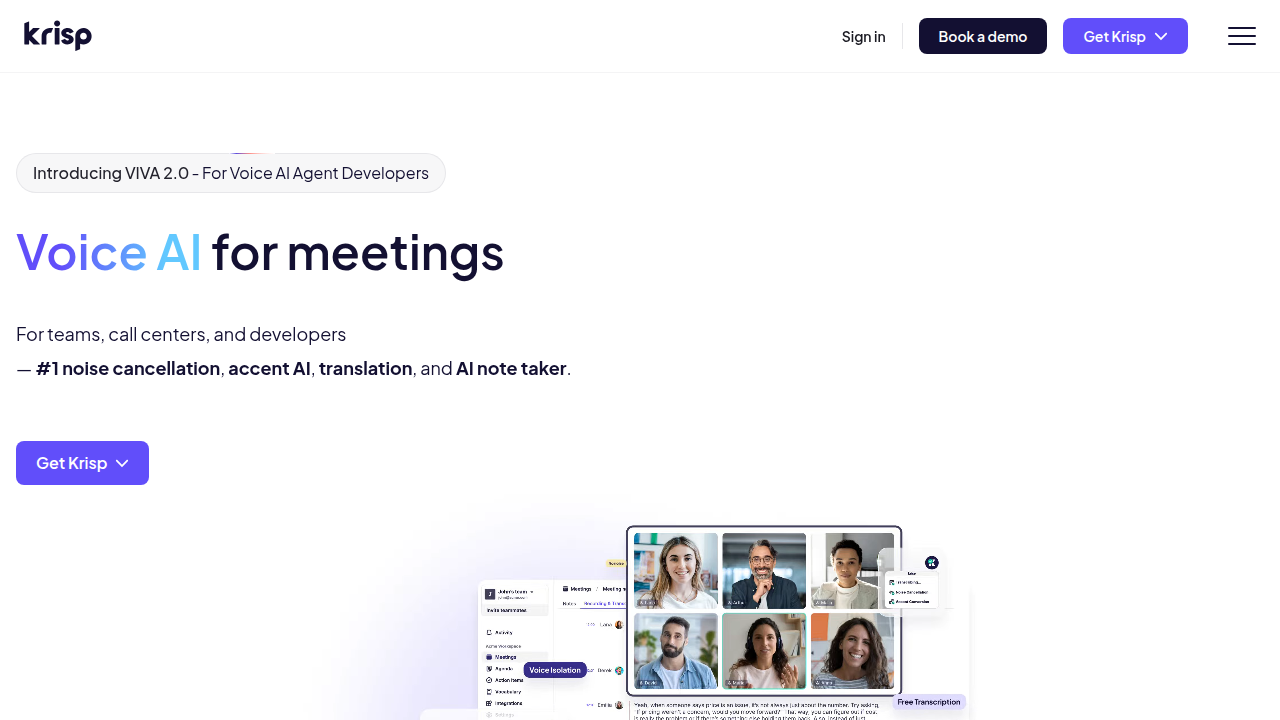
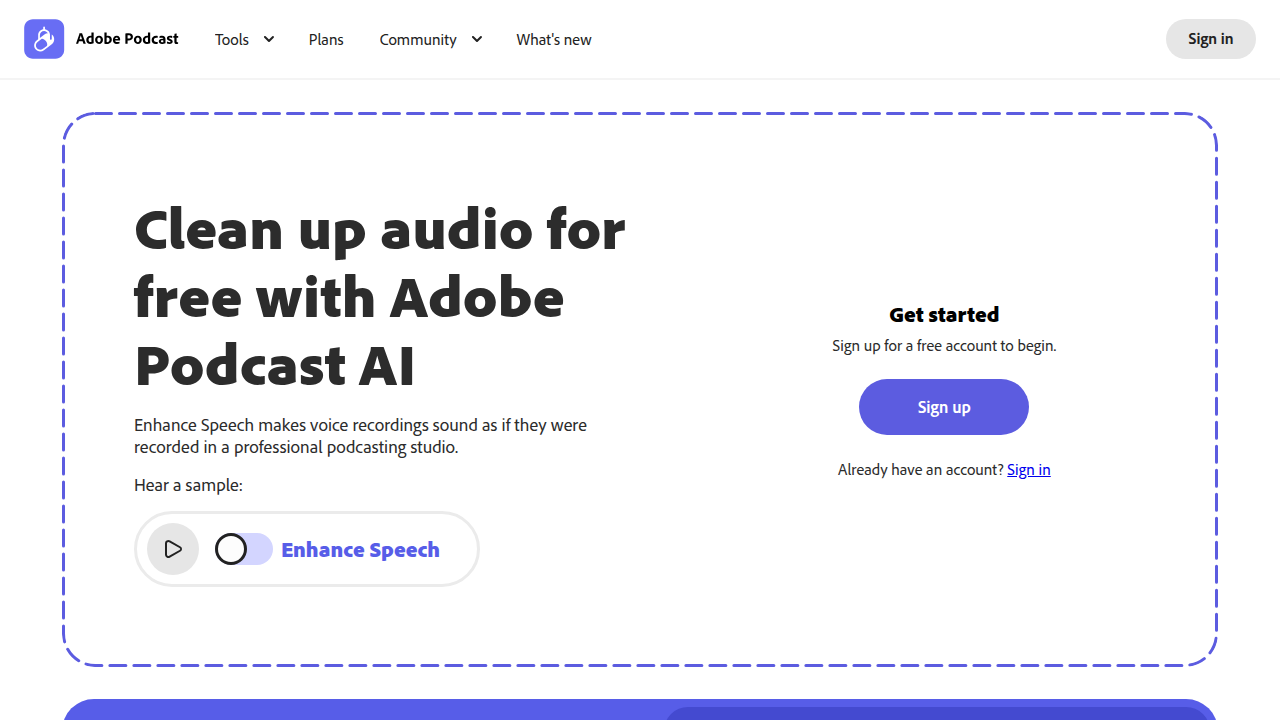
Enter ai background noise removal tools. These smart systems use advanced filtering to scrub out distracting sounds in real time. They help you sound professional even from a noisy coffee shop. Tools like Krisp, Adobe Podcast Enhance, and Cleanvoice AI are leading the charge.
But here is the thing: the same technology that makes your calls clearer also raises tough questions about privacy, data governance, and regulation.
When you run your audio through an AI tool, where does that data go? How is it stored? Who else can hear it? These are not small questions. In 2026, regulators are paying close attention. New rules around AI and data privacy mean companies must think carefully before adopting these tools. Even the European Data Protection Board has issued new guidelines to help organizations stay compliant.
This guide is built for people who live at the intersection of technology and policy. Whether you are evaluating clarity ai for your team or wondering how text to video artificial intelligence tools handle audio data, you need to know the full picture. We will cover the artificial intelligence imaging behind these systems and the compliance frameworks you need to follow.
Our goal is simple. We want to help you choose and use ai background noise removal tools with confidence. You will learn how to balance clear communication with strong data governance. And you will walk away knowing exactly what to ask your vendors.
Ready to cut through the noise? Let us start with how these tools actually work.
How AI Background Noise Removal Works: The Technology Behind the Silence
So how do these tools actually work? It is not magic, even if it feels that way when a barking dog disappears from your call. The magic is machine learning, and more specifically, deep learning.
AI background noise removal models are trained on huge datasets. Think millions of audio clips. Each clip is a pair: one version has clean speech, and the other has the same speech with background noise mixed in. The model learns to tell the difference. It figures out what sounds like a human voice and what sounds like a vacuum cleaner, a keyboard, or traffic.
The most common types of models used here are convolutional neural networks (CNNs), recurrent neural networks (RNNs), and transformers.
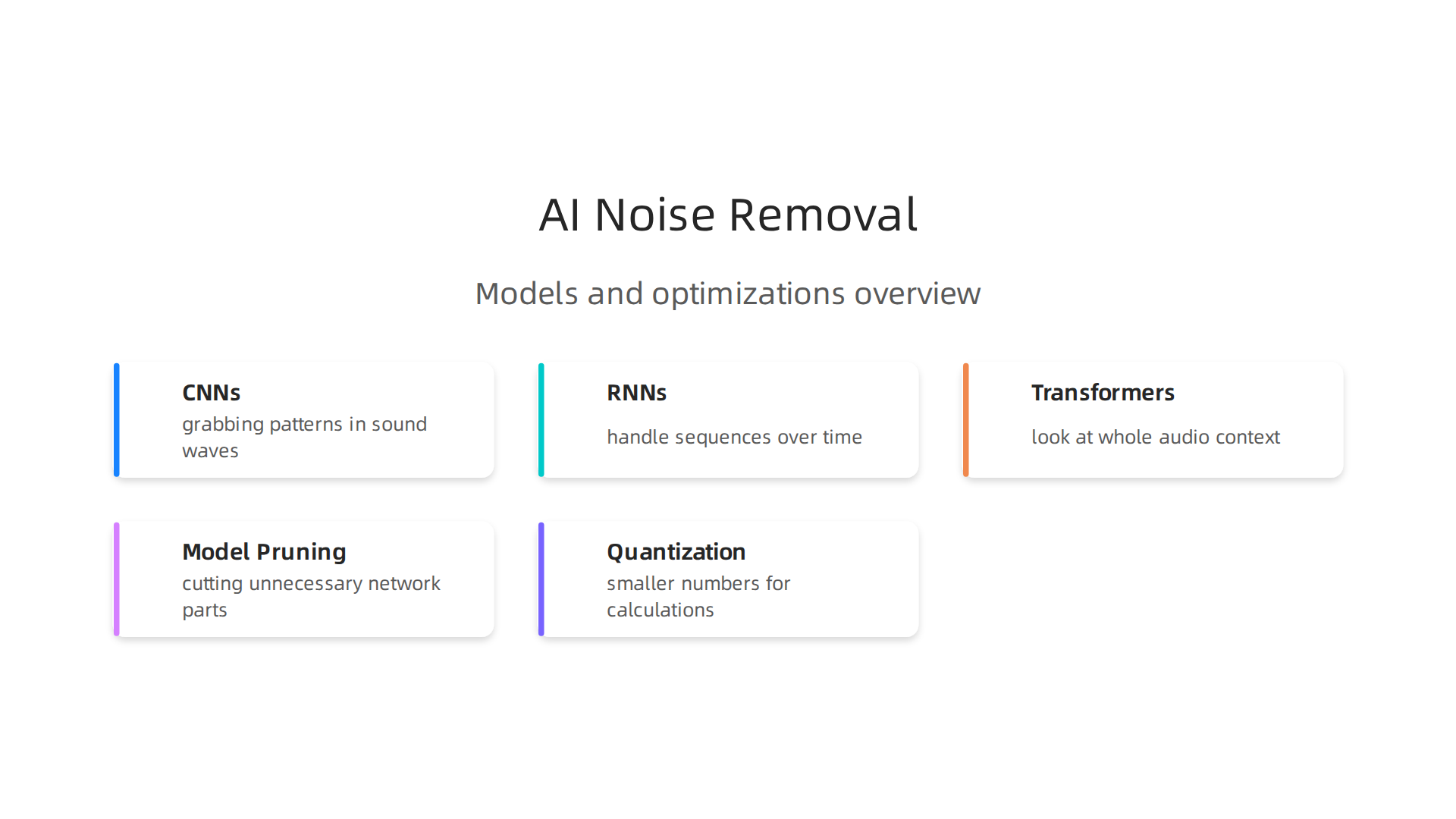
CNNs are great at grabbing patterns in sound waves. RNNs handle sequences, which is important because speech is a sequence over time. Transformers, the same architecture behind tools like ChatGPT and many text to video artificial intelligence systems, are now also being trained for audio tasks. They are very good at looking at the whole audio context at once.
All of this happens in real time during your call. That is a big challenge. A model that takes two seconds to clean a one-second clip is useless. So companies use optimizations like model pruning (cutting out unnecessary parts of the network) and quantization (using smaller numbers for calculations). These tricks let the AI run fast on a standard laptop or even a phone. Without these optimizations, you would need a supercomputer to clear your background noise.
When comparing tools, experts look at a few key numbers. PESQ and STOI measure how clear and understandable the speech sounds after cleaning. Latency is the delay between speaking and hearing the cleaned output. And model size matters because a smaller model is easier to deploy on different devices. Top tools like Krisp, Adobe Podcast Enhance, and Cleanvoice AI compete on these metrics. The global market for AI noise cancellation software is growing fast, projected to reach $5 billion by 2031.
Understanding this technology helps you ask the right questions as a policymaker or tech leader. For example, how does the vendor train its models? What data do they use? Do they keep copies of your audio? This is not just a tech decision, it is a governance decision. If you want to see how similar AI techniques are shaping policy in other areas, read our guide on how image artificial intelligence is driving new policy in 2026. And when comparing different domain uses, you might also look at how AI regulations differ between healthcare and entertainment to see the wider landscape.
The point is clear: AI background noise removal is not a black box. It is a well understood technology built on deep learning, optimization, and careful testing. Knowing the basics gives you the confidence to evaluate tools, protect your data, and make smarter decisions for your organization.
Top AI Noise Removal Tools for 2026: A Comparative Review
Now that you understand the technology behind AI background noise removal, you probably want to know which tools actually deliver. The market in 2026 is full of options, but they are not all the same. Some tools run on your device for better privacy. Others send audio to the cloud for more processing power. Some are built for live calls, while others are better for cleaning up recorded audio.
A one-size-fits-all approach does not work here. Your choice depends on what matters most to your organization: real-time performance, sound quality, data privacy, or budget. Let’s look at the top tools for 2026.
Quick Comparison of Leading Tools
| Tool | Best For | Platform | Processing | Pricing |
|---|---|---|---|---|
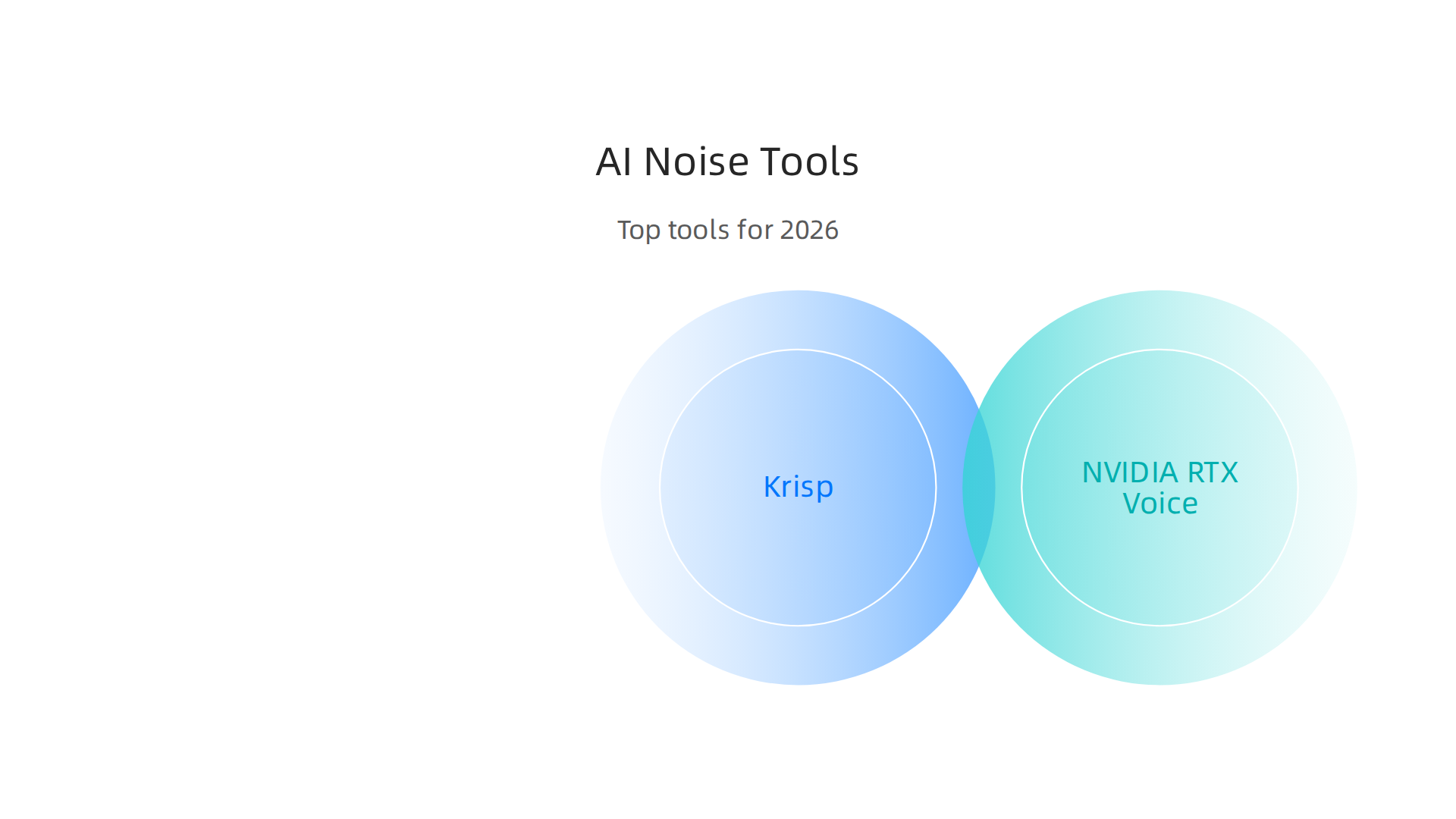
| Krisp | Live calls and recordings | Windows, Mac, iOS, Android | On-device | Free + paid plans |
| NVIDIA RTX Voice | Gaming and streaming | Windows (requires NVIDIA GPU) | On-device | Free |
| Dolby.io | Professional media workflows | Cloud API | Cloud | Pay-as-you-go |
| Cleanvoice AI | Podcasts and recorded meetings | Web app | Cloud | Free + paid plans |
| RNNoise (open source) | Developers building custom solutions | Cross-platform library | On-device | Free |
Krisp remains a top choice for 2026 according to user reviews on G2. It works in real time with any communication app, from Zoom to Microsoft Teams. Because it processes audio on your device, no audio ever leaves your computer. That makes it a strong option for organizations with strict data handling rules. You can learn more about how similar privacy considerations shape policy in our guide on how image artificial intelligence is driving new policy in 2026.
NVIDIA RTX Voice is a free tool that uses your NVIDIA graphics card to clean audio. It works well for calls and recordings, but you need a compatible GPU. If your team already uses NVIDIA hardware, this is a cost-effective choice.
Dolby.io offers a cloud-based API for developers who want to integrate noise removal into their own apps or workflows. It uses advanced models trained on huge audio datasets. The trade-off is that audio must be sent to Dolby’s servers for processing, which may not work for every compliance situation.
Cleanvoice AI targets podcasters and content creators. It does more than just remove background noise. It also cuts out filler words like "um" and "uh" and removes long silences. If your team produces recorded content, this can save hours of manual editing time.
For developers and technical teams, open source models like RNNoise and DeepFilterNet are excellent options. You can run them on your own servers or embed them directly into applications. The best open source models for noise suppression in 2026 are well documented and perform very close to commercial tools.
The Key Differentiator: On-Device vs Cloud
This is the most important factor for policymakers and compliance leaders. On-device processing keeps all audio data local. No recordings or snippets are sent to an outside server. This is critical for meetings that discuss sensitive information, client data, or internal strategy.
Cloud processing sends audio to the vendor’s servers for analysis. This can give you access to more powerful AI models, but it also creates data transfer and storage risks. You need to know exactly what data the vendor keeps, how long they keep it, and whether they use it to train their models.
If your organization handles regulated data, on-device tools like Krisp or open source models give you more control. If you are processing public content like podcast episodes, cloud tools like Dolby.io or Cleanvoice AI may be fine.
How to Choose
Start by asking three questions:
- Where does the audio live? On-device or in the cloud?
- What kind of audio are you cleaning? Live calls or recorded files?
- What is your budget? Free tools can work well, but paid tools offer more features and support.
The global market for AI noise cancellation software keeps growing, and so do the options. Your job is to match the tool to your specific needs, not to chase the newest feature. Understanding how different domains handle similar trade-offs can help. For example, look at how AI regulations differ between healthcare and entertainment to see how context changes the choice of tool.
If you want to dive deeper into how artificial intelligence imaging and audio tools are reshaping policy, explore our full archive at Tech Policy News Today. The landscape changes fast, but smart decisions start with clear information.
Privacy and Data Security in AI Audio Processing: What You Must Know
Choosing the right tool is just the first step. The bigger question for any policy leader or compliance officer is what happens to your audio data. Here is the thing: audio is not just sound. It captures voiceprints, background conversations, and even your environment. That makes it one of the most sensitive types of data your organization handles.
Major regulations take this seriously. In 2026, the rules are stricter than ever. California’s updated CCPA regulations now require clear consent before you collect or process personal data, and that includes audio from meetings and calls. The California Privacy Protection Agency has also expanded rules around automated decision-making, which covers many AI noise removal tools. You need to know exactly how your chosen tool handles data to stay compliant with laws like the CCPA 2026 compliance guide explains.
The same applies globally. The GDPR in Europe and Brazil’s LGPD all demand data minimization, consent, and the right to deletion. Data privacy in 2026 keeps evolving, and your tool choice must keep up.
Where Does Your Data Actually Go?
The key difference is simple. On-device tools like Krisp or open source models process everything locally. No audio ever leaves your computer. This dramatically reduces your data exposure and simplifies compliance.
Cloud tools send your audio to their servers. This can give you better models, but it creates risks. You must confirm what data the vendor keeps, how long they keep it, and whether they use it for training. If your organization deals with regulated data, this matters a lot. Understanding how AI regulations differ between healthcare and entertainment can help you see how context changes compliance needs.
Your Privacy Checklist
Before you roll out any tool, ask these questions:
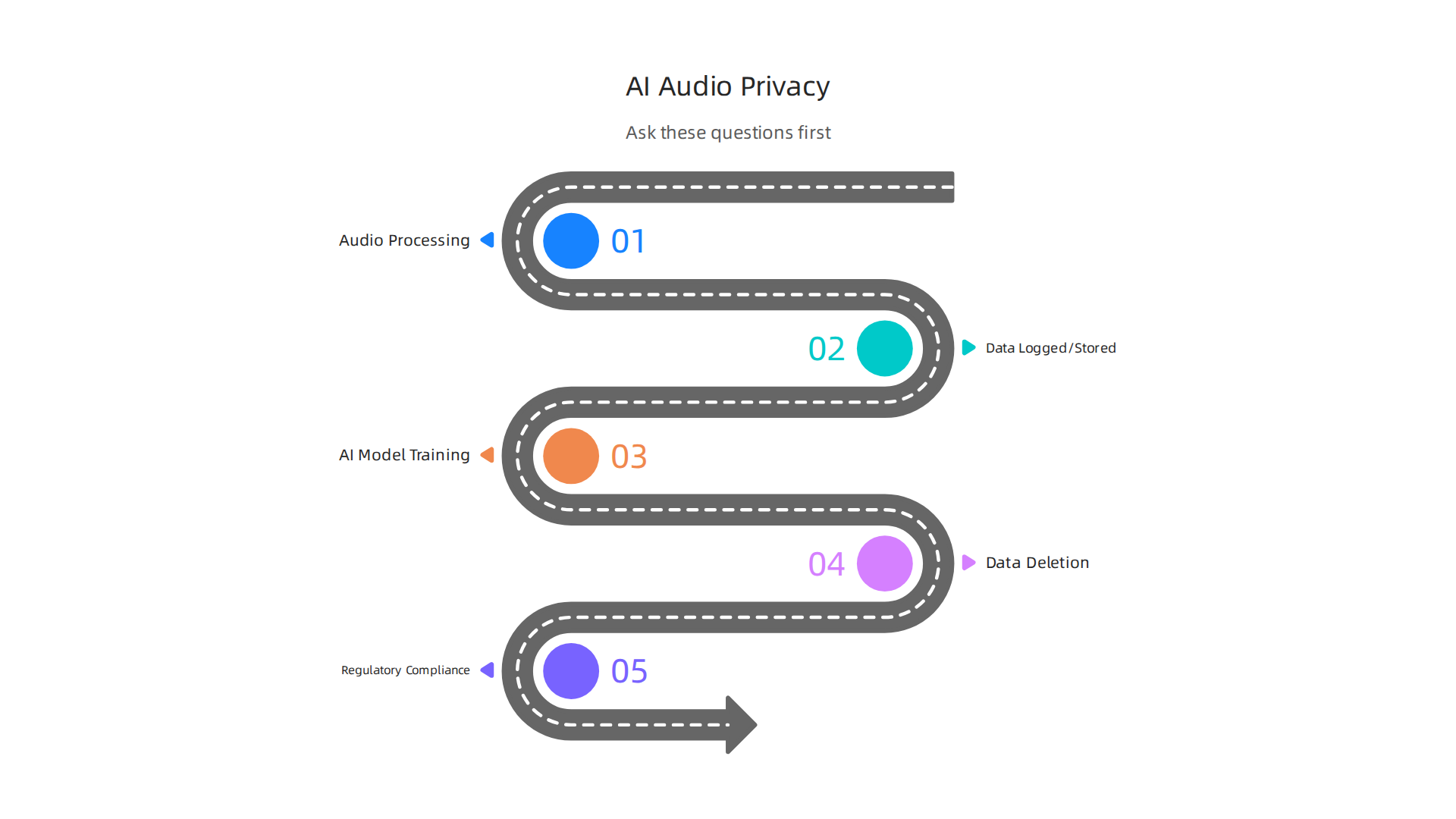
- Does the tool process audio on-device or in the cloud?
- What data does the vendor log or store?
- Do they use your audio to train their AI models?
- Can you delete your data from their systems on demand?
- Does the tool meet your specific regulatory requirements like the CCPA?
The California Consumer Privacy Act (CCPA) gives consumers more control over their personal information. As a business, you need to respect that control at every step. Taking time to audit your AI audio tools now can save you from costly compliance issues later. Just as image artificial intelligence is driving new policy in 2026, audio AI tools are under the same microscope. Your due diligence today builds trust tomorrow.
Regulatory Landscape: How Governments Are Addressing AI in Audio and Video
Privacy rules matter a lot. But they don’t stand alone. In 2026, governments around the world are building new laws specifically for artificial intelligence.

And these laws directly affect how you can use ai background noise removal tools at work.
The biggest change is happening in Europe. The EU AI Act is the first complete legal framework for AI anywhere in the world.
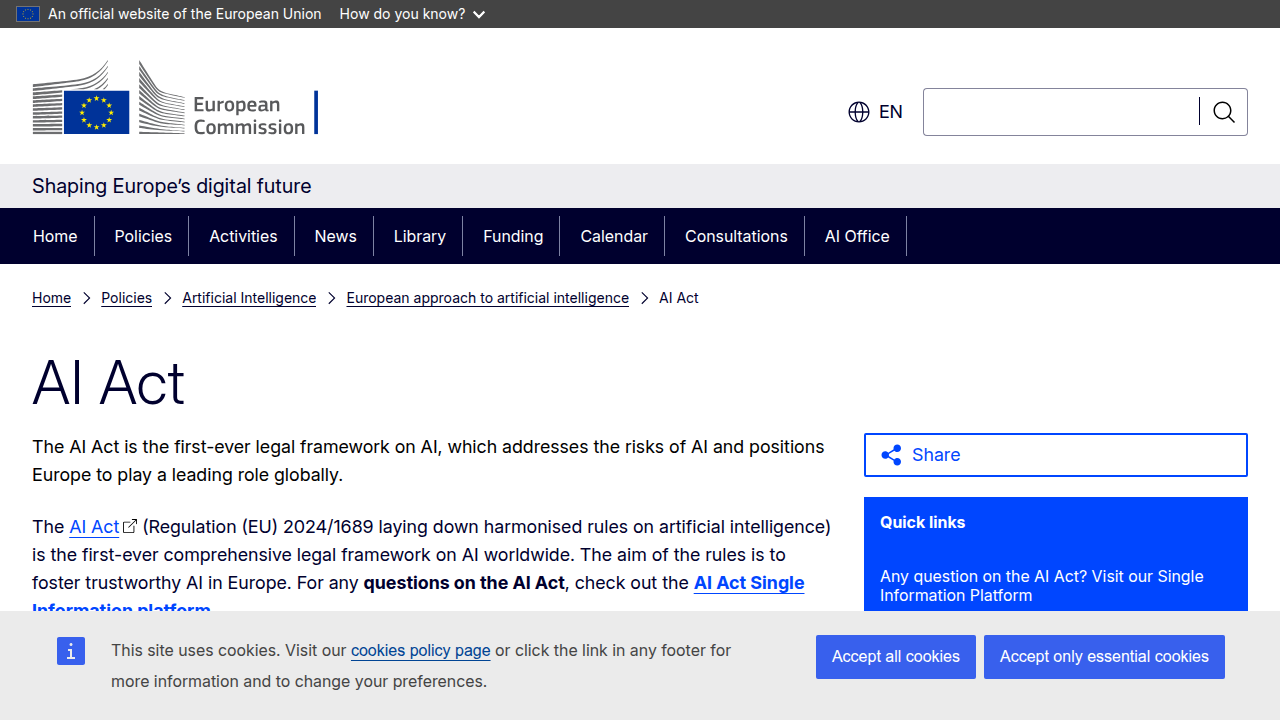
It uses a four tier risk system. Minimal risk. Limited risk. High risk. And prohibited. Where does your audio tool fall? It depends. The EU AI Act risk classification playbook explains that real time audio processing could be low risk in a simple meeting app. But if your tool analyzes voice for emotions or biometric data? That could push it into the high risk category.
The Ada Lovelace Institute expert explainer breaks down how the Act cares most about what the AI is actually used for. So a clarity ai tool that just removes background hum is usually fine. But one that builds voice profiles? That changes everything.
Across the Atlantic, the United States is moving fast too. Federal executive orders and state laws are targeting specific dangers. Deepfakes. Voice cloning. Synthetic media. California’s AI safety bills are some of the strictest. They focus on transparency and consent. If you use text to video artificial intelligence alongside audio tools, you need to watch these laws closely. The risk of generating deceptive content with combined audio and video AI is real. Understanding how AI regulations differ between healthcare and entertainment can help you see the bigger picture.
Internationally, groups like UNESCO and the OECD are working on broad principles. They focus on human oversight, fairness, and accountability. These guidelines shape how countries write their own laws. And they influence best practices for responsible AI use.
The takeaway? You cannot just pick a tool because it works well. You need to match it to the regulations in your region. Just like image artificial intelligence is driving new policy in 2026, audio AI is under the same scrutiny. Staying informed keeps you compliant and trusted.
Evaluating AI Noise Removal for Compliance-Critical Environments
Not every workplace can just pick any audio tool off the shelf. If you work in a hospital, a law firm, or a government agency, the rules are much stricter.

These compliance-critical environments demand that every piece of technology can be audited and can’t be tampered with.
So when you evaluate ai background noise removal tools for this kind of setting, you need to ask harder questions.
Start with certifications.
Is the tool SOC 2 compliant? Does it meet HIPAA standards for healthcare? Is it FedRAMP authorized for government use? These aren’t nice to have. They are prerequisites. Many organizations won’t even let you test a tool without them. The California Consumer Privacy Act (CCPA) sets baseline requirements for how businesses handle personal data, and if your audio tool processes voices, that data is included. And in 2026, CCPA 2026 compliance rules add new requirements around consent and automated decision making. You need to be sure your tool meets those rules. This is especially important if you’re in healthcare, where AI regulation differs between healthcare and entertainment.
Check data residency and retention policies.
Where does your audio actually go? Is it stored on a server in another country? Does the tool keep your files for months after processing? In compliance-critical environments, you must control both the location and the duration of data storage. The updated privacy frameworks in California emphasize that businesses have to give consumers control over their data. The TrustCloud article on data privacy in 2026 notes that evolving regulations demand clear strategies for data handling. Your clarity ai tool should let you set automatic deletion policies and confirm that data never leaves approved regions.
Demand audit trails.
A good noise removal tool should produce logs that show exactly what it did to your audio file. Did it change anything beyond removing background noise? Was the original file preserved? These logs are your proof of compliance. Without them, you can’t defend your processes in a legal or regulatory review.
In the same way that image artificial intelligence is driving new policy in 2026, audio AI is under the same microscope. The tools you choose must match the rigor of your environment. Don’t guess. Verify every claim against your specific compliance requirements.
The Impact of AI Audio Enhancement on Remote Work and Digital Communication Policy
Remote work is now the norm for millions of people. And with that shift comes a huge reliance on clear audio. If your coworker sounds like they’re calling from a wind tunnel, you lose trust and focus. That’s why ai background noise removal has become essential for teams everywhere. But the impact goes deeper than just sounding better.
**AI audio tools can actually make meetings more inclusive.

** For hearing impaired participants, clean audio is a lifeline. Background noise makes it much harder to follow speech. For non native speakers, removing distractions helps them catch every word. Many tools now offer real time noise cancellation on live calls. Options like Krisp and Cleanvoice AI are designed for exactly this purpose. The top AI noise reduction tools in 2026 list shows how far these solutions have come.
But here’s the thing. AI models are not perfect. Bias can sneak in. Some noise removal tools are trained mostly on American or British English accents. If you speak with a strong Indian, Nigerian, or Southern drawl, the AI might misunderstand you. It could even filter out parts of your speech as "noise." That’s not just frustrating. It’s exclusionary. As we push for better remote communication, we must make sure tools work fairly for everyone.
That brings us to corporate policy. When you roll out an AI noise removal tool across your company, you are making decisions about how voices are processed. Where does that audio go? Is the original recording saved? Who can access it? In 2026, these questions matter more than ever. Employees deserve to know when their voice is being altered. Companies need clear policies on transparency and consent.
Think of it this way. The same way how image artificial intelligence is driving new policy in 2026 pushed companies to rethink visual data handling, audio AI demands its own rules. Productivity gains are real. But they should never come at the cost of fairness or trust.
The solution is simple. Choose tools that let you see exactly what they do. Test them with diverse voices. And write a policy that tells your team, "Here’s what we use, why, and how we protect your data."
When done right, ai background noise removal becomes more than a convenience. It becomes a tool for equity.
Future Trends: Audio AI Regulation, Standards, and Innovation (2026-2030)
Change is coming fast. And as we look ahead, the rules around ai background noise removal and other audio AI tools are getting much clearer. Governments and international bodies are stepping in to set new standards. Let’s talk about what that means for you.
First, we have real benchmarks. Emerging standards like ITU-T P.1204 and ETSI TS 103 281 are setting the bar for audio quality and privacy. Think of them as a seal of approval. If your tool meets these standards, you know it’s been tested for fairness and accuracy. This is similar to how the EU AI Act is creating a framework for all kinds of AI systems. The Act uses a four-tier risk classification to tell us which tools need the most oversight.
Synthetic voice consent is next. We are already seeing laws about deepfake disclosure. In the next few years, mandates will likely expand. That means if you use artificial intelligence to create or alter someone’s voice, you need their clear permission. This is a big deal for any tool that uses your voice data. As we learned from how image AI is driving new policy, the same principles apply to audio. Check out our article on how image artificial intelligence is driving new policy in 2026 for a closer look at this trend.
But here is the good news. Innovation is keeping pace. New techniques like federated learning and differential privacy are making it easier to comply with these rules. Federated learning lets the AI learn from your data without ever moving it off your device. Differential privacy adds just enough noise to protect individuals while still improving the model. This means companies can build better clarity ai tools without risking your privacy.
So what should you do? Stay informed. Watch these standards. And when you pick a tool, ask if it follows them. The best tools will be transparent about their compliance.
The future of audio AI is not just about smarter noise cancellation. It’s about building a system that respects everyone’s voice. And that starts with understanding the rules.
Summary
This article explains why AI background noise removal matters for productivity, accessibility, and organizational risk, and it guides technology and policy leaders through both the technical and regulatory landscape. It describes how deep learning models (CNNs, RNNs, and transformers) clean audio in real time, the performance metrics to compare, and the optimizations that make on-device processing feasible. The review compares leading 2026 tools—Krisp, NVIDIA RTX Voice, Dolby.io, Cleanvoice AI—and clarifies the key trade-off between on-device privacy and cloud-powered quality. The piece lays out a practical privacy and compliance checklist, highlights certification and data-residency requirements for high-risk settings, and warns about bias that can harm non‑standard accents. Finally, it surveys emerging rules and standards (EU AI Act, ITU/ETSI benchmarks) and recommends steps—testing, vendor questions, and policy drafting—to adopt audio AI responsibly and with confidence.