Why Idea Generation Matters for Policy-Aware Entrepreneurs
In 2026, starting a new business is full of exciting chances, but it also comes with new challenges. For a long time, great entrepreneur ideas mostly looked at two things: what people needed from the market and what new technology could do. But now, there’s a third, very important part to think about: government rules and policies. Being a smart business owner means you need to consider these rules from the very beginning.
This is why understanding policy is so important when you’re creating entrepreneur ideas.

You need to connect what people want, what new technology makes possible, and any rules or laws that might affect your business. Ignoring these rules can lead to big problems for a new venture, like unexpected costs or even having to stop your business completely.
Think about how quickly rules are changing, especially for new technology. In 2026, many countries are actively creating new regulations, especially for things like Artificial Intelligence (AI). Over 69 countries are working on more than 1,000 AI-related policies right now [^1]. For instance, the EU’s AI Act is bringing big changes, and by August 2026, any AI product that affects safety must meet strict new standards [^2].
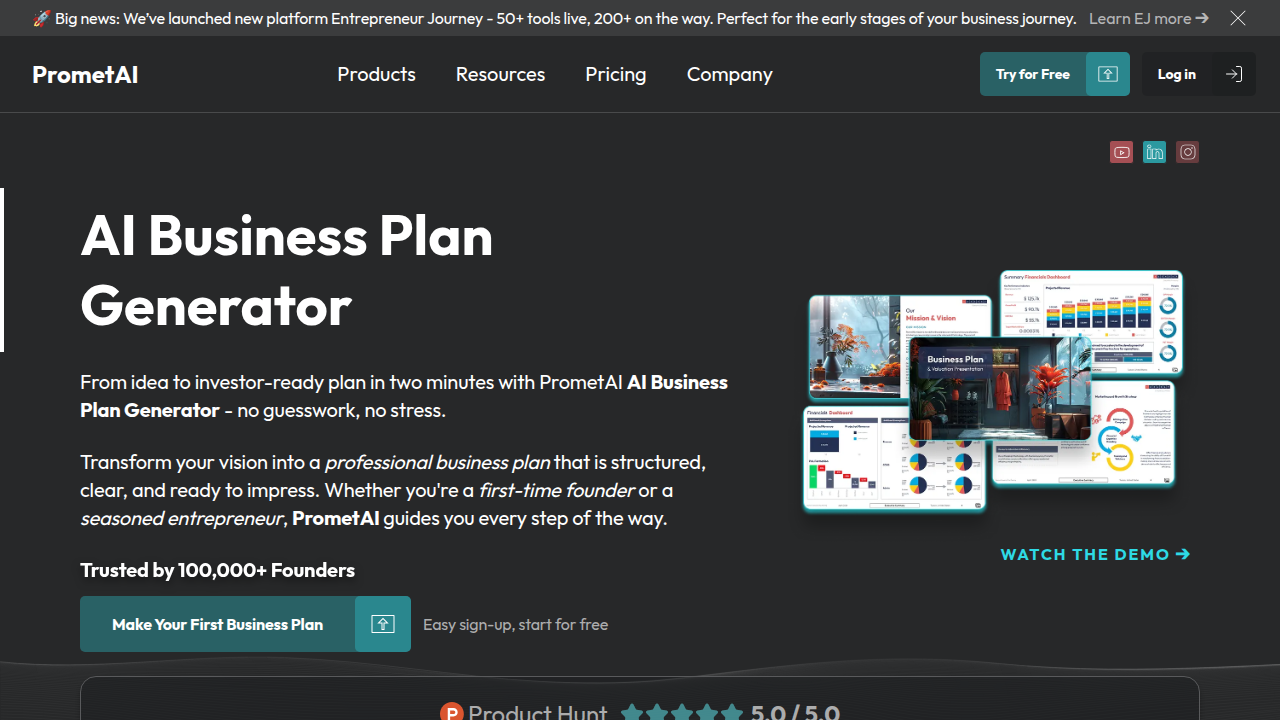
Experts also say that new businesses this year need to pay close attention to specific policy areas, such as rules for data centers or how apps can be used in app stores [^3].
This article is here to help you. We will show you a clear, research-backed way to come up with and check your entrepreneur ideas. Our process helps you think about what policies mean for your business early on, so you can build a strong foundation. This way, you can create a business that not only meets a market need and uses great technology but also fits within the rules. This sets you up for success as a forward-thinking business owner.
To stay on top of these fast-moving changes, especially in AI, consider subscribing to The AI Newsletter Worth Reading for clear daily updates. Understanding how an AI development company navigates regulation and opportunity in 2026 can also offer valuable insights into building a compliant and successful business.
[^1]: AI Regulatory Trends and Their Impact on Startups 2026
[^2]: Entrepreneurship Outlook 2026: From Correction to Reinvention
[^3]: EarlyFinder – Discover High-Growth Companies Early
Spotting Opportunity: Where Policy Creates Startup Ideas
Thinking about government rules might seem like a chore for a business owner, but actually, these rules can open up brand-new chances for entrepreneur ideas. When new laws come out or old ones are changed, they often create fresh needs in the market. This is where smart startup company founders can step in to offer new products or services that help others meet these new rules.
In 2026, we see this happening a lot. Regulators are moving from just making rules to actively checking if businesses are following them. This means companies need to prove they are compliant, not just say they are. This shift creates a need for tools and services that help businesses show they are doing things right. For example, new criminal laws approved by the EU Parliament in March 2026 or updated climate laws can spark many new business needs [^1].
When rules tighten, businesses look for easy ways to adapt.
Signals to Watch for New Business Ideas
So, how do you spot these chances early? You need to pay attention to a few key signals:
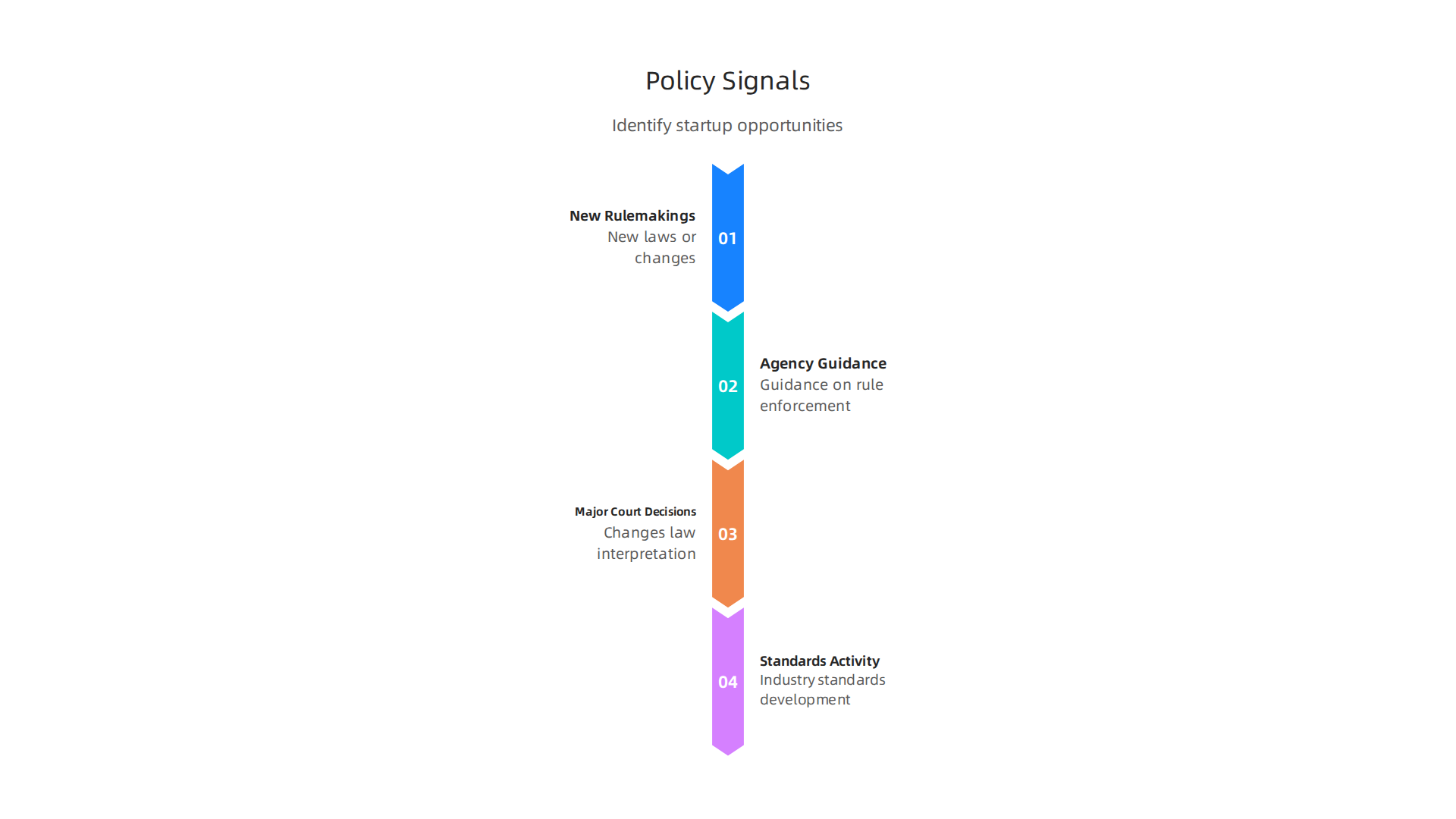
- New Rulemakings: These are new laws or changes to existing ones. They often come with a public comment period, giving you a heads-up. For instance, global regulatory updates in 2026 are focusing on things like data protection and ethical transparency, creating a demand for new compliance solutions [^2].
- Agency Guidance: This is when government groups explain how they will enforce rules. It tells businesses what they need to do to avoid trouble. These often highlight the specific "chokepoints" in new tech, like how app stores handle compliance or rules for data centers [^3].
- Major Court Decisions: Sometimes, a big court case can change how a law is understood or applied. This can create sudden gaps or needs for businesses to fill.
- Standards Activity: Industry groups often create standards to help businesses meet rules. If you can help businesses meet these standards, you’ve found an opportunity.
For example, AI rules taking effect in 2026, like the EU AI Act, mean businesses must show that their AI systems are transparent and have human oversight [^4]. This need for proof is creating many new entrepreneur ideas, especially for those offering AI compliance tooling. Businesses that can help others track data, add human checkpoints, or tag risks in their AI systems will be in high demand.

The best AI startup ideas right now are often focused on helping businesses navigate these new requirements, rather than just creating new AI features that might not be compliant [^5]. This includes things like managing digital communications or ensuring individual accountability within companies [^6]. You might even think about offering specialized virtual assistant services for small businesses that need help keeping up with these complex changes.
Understanding these signals helps a forward-thinking business owner not just avoid problems, but actually find the next big opportunity. It’s about turning regulatory challenges into innovative solutions.
To delve deeper into creating secure and compliant AI solutions, explore our guide on how to build AI securely and compliantly. Also, understanding the software industry policy in 2026 can give you an edge in this fast-changing landscape.
[^1]: Regulations that will change the way you do business in …
[^2]: How to prepare for 2026: compliance industry trends and …
[^3]: EarlyFinder – Discover High-Growth Companies Early
[^4]: An Ultimate Guide to AI Regulations and Governance in 2026
[^5]: AI Startup Ideas 2026: 50 Ranked, 11 Worth Building
[^6]: 2026 Regulatory & Compliance Predictions: From Recalibration to …
Turning regulatory challenges into smart business solutions needs a special kind of thinking. It’s not just about finding problems, but about creating good ideas that fit within the rules. This means we need special ways to come up with new entrepreneur ideas, especially for teams that know a lot about government policies.
Brainstorming with Regulations in Mind
When you’re trying to find the next big startup company idea, don’t leave out the policy experts.

Their knowledge about laws and rules can actually help you find unique needs that other businesses might miss. Think of it like a treasure hunt where the map is the law book.
Here’s how to change up your brainstorming sessions:
- Policy-First Approach: Instead of thinking of a product first, start with a new law or a change in an old one. For instance, in 2026, many rules are changing around data protection and AI. How can a new service or product help businesses easily follow these rules? A good starting point is understanding the main global compliance concerns for 2026 [^1].
- Opportunity Mapping: This means looking at a new rule and drawing out all the different ways it might affect businesses. Where will they struggle? What new tasks will they have to do? Each struggle or new task is a chance for a new business to step in. A strong compliance management framework helps businesses connect policies to their daily work, which is where many opportunities lie [^2].
- Legal "What Ifs": Ask questions like, "What if this specific regulation becomes much stricter?" or "What if this new technology causes a legal problem no one has thought about yet?" These questions can lead to solutions for future needs.
Mixing Ideas from Different Worlds
The best entrepreneur ideas often come from putting together things that don’t seem related at first. For policy-savvy teams, this means combining three main areas:
- Policy Trends: What new laws are coming? What old laws are changing? Which areas are regulators watching closely in 2026 [^3]? These are your starting points.
- Technology Capabilities: What new tools and tech are available? Can AI help automate tasks? Can a special app make things easier? We’ve seen how AI is reshaping how businesses manage compliance [^4].
- Customer Pain Points: What are businesses or people really struggling with right now? How can your idea make their lives simpler, cheaper, or safer? For example, small businesses might need virtual assistant services for small businesses to help them manage new rules without hiring a full-time expert.
Imagine a team working on AI. They know about the AI Regulation in 2026: A Global Policy Map for Product Leaders. They also know about new AI tools that can process lots of information quickly. And they hear from companies that it’s hard to prove their AI systems are fair and unbiased. Combining these three pieces of knowledge can spark a great idea for an AI compliance software, for example.
By bringing together people with different kinds of knowledge and using these thought-starting methods, any business owner can turn complicated rules into chances for new and helpful businesses. It’s all about looking at the challenges through a creative lens.
To get even more insights into how technology and policy are shaping the future, you might want to consider checking out The AI Newsletter Worth Reading. It provides clear daily AI updates directly to your inbox.
When you have new entrepreneur ideas, the next step is to quickly check if they are good ones.
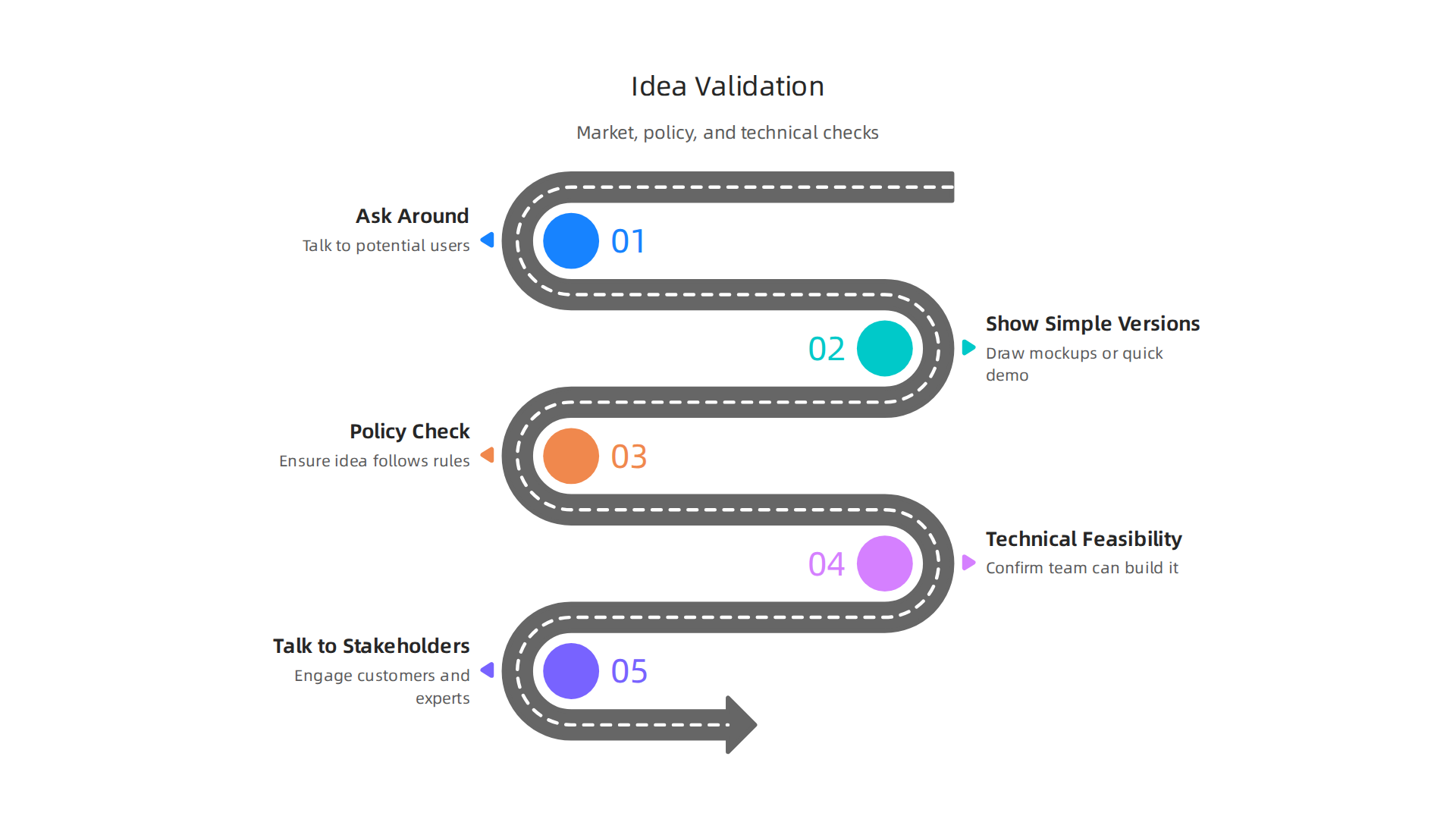
This means making sure people want them, that they follow all the rules, and that they can actually be built. It’s about testing your ideas fast to save time and money.
Lean Validation for Market Fit
First, you need to see if anyone actually needs or wants your idea. This is called market fit. You don’t need to build the whole product right away. Instead, you can do simple things like:
- Ask around: Talk to people who might use your product or service. Do they have the problem you’re trying to solve? Would they pay for your solution?
- Show simple versions: Draw pictures, make a basic website, or create a quick demo. See how people react. These fast tests help you learn without spending too much.
Policy and Compliance Check Early On
For entrepreneur ideas that deal with rules and laws, it’s super important to check policy and compliance from the very start. Waiting until later can cause big problems. Imagine building a great product only to find it breaks a major law. That’s a huge waste.
In 2026, regulators are more focused than ever on how businesses follow rules. A good way to start is by looking at guides like a Regulatory Compliance Playbook (2026): A Step-by-Step Guide. This can help a new startup company understand what steps they need to take. For example, if your idea uses AI, you’ll want to know how to build AI securely and compliantly.
Talking to experts who know about these rules can help you understand what’s okay and what’s not. This early check can also help you find new chances to build unique solutions that help other businesses stay compliant.
Technical Feasibility
Next, ask if your idea can actually be built. Can your team make it happen with the tools and knowledge you have? You might make a small, simple version of your product, called a prototype, to see if the main parts work. This isn’t the final product, just a test to see if the idea is technically possible. As a business owner, you want to know if the technology can keep up with your vision.
Talk to Stakeholders
One of the best ways to test your entrepreneur ideas is to talk to many different people. These "stakeholders" include:
- Future customers: The people who will use your product or service.
- Policy experts: Those who understand the laws and rules.
- Industry leaders: People who know a lot about the business world you want to enter.
These conversations can uncover problems you didn’t think about. They can also give you new angles or even spark more great entrepreneur ideas. For instance, thinking about product rules in different places, like with Product Compliance in Asia: Key Regulatory Trends Every Business, can open your eyes to global needs. Some small businesses even use virtual assistant services for small businesses to help them gather this kind of information and stay on top of new regulations without hiring full-time staff. By doing these quick checks, you get closer to building a truly successful business.
When you have your entrepreneur ideas, designing your product or service to follow rules from the very beginning can save you a lot of trouble later. This is called "designing for compliance." It means building your product with laws and regulations in mind, not just adding them on at the end.
Designing for Compliance: Product Choices That Reduce Regulatory Risk
Making smart choices about your product’s design from the start can greatly lower your regulatory risk. This is especially true for anything that handles personal information or uses new technologies like AI. One key idea here is called "Privacy by Design." It means putting privacy first in everything you create.
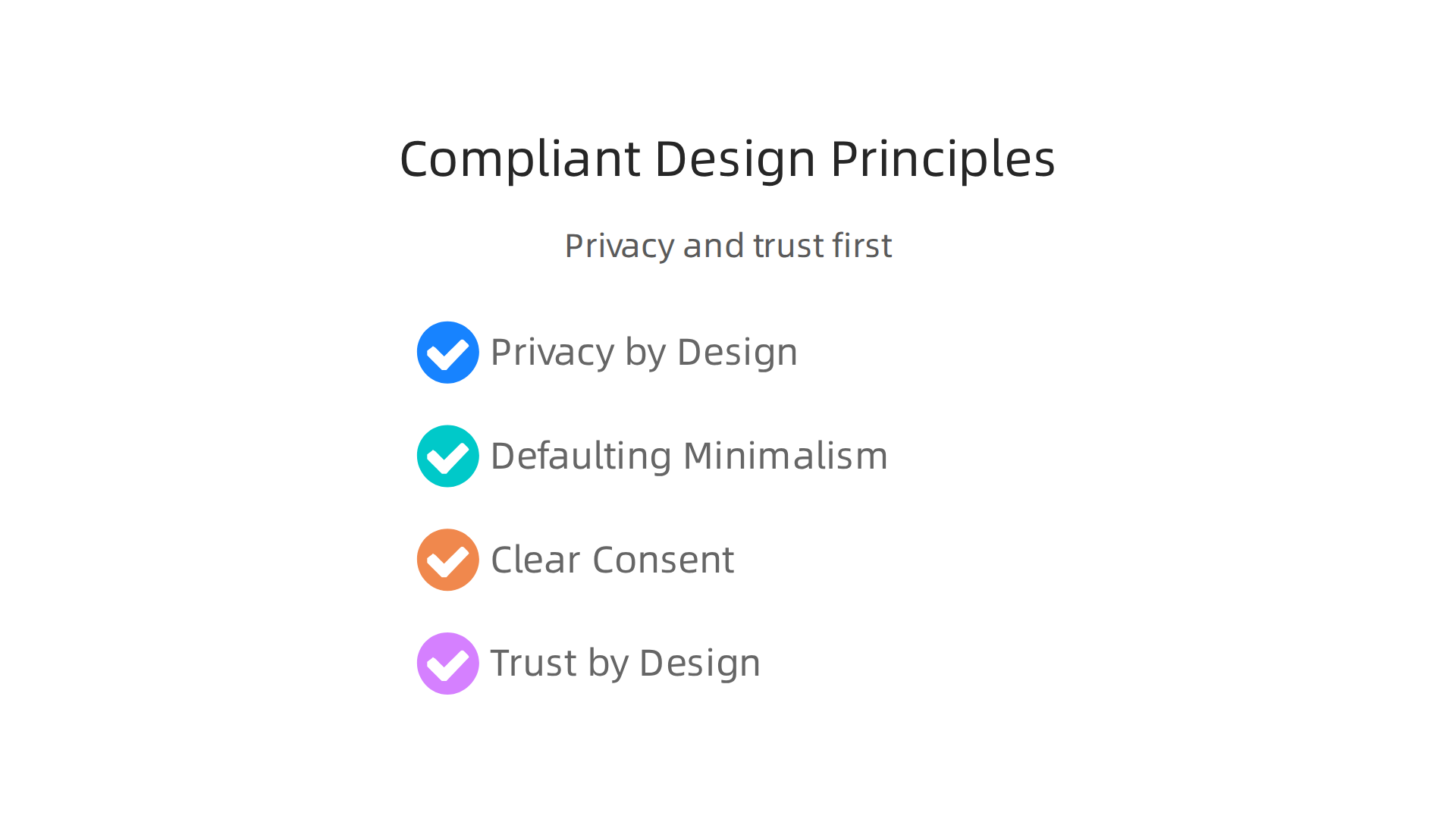
By 2026, many experts agree that building privacy into your systems and processes is a must for any business owner handling data.
Privacy by Design is a way of building things so that privacy is protected automatically. It’s about being proactive instead of reactive. For example, it suggests you should only collect the data you truly need for your product to work. This is called defaulting to minimalism, where you gather the smallest amount of data possible. You should also make sure users clearly agree to what data is collected and how it’s used. This clear consent should be asked for at the right time, in simple language, as explained in modern privacy practices for 2026. These ideas help keep your customers’ information safe and keep your startup company on the right side of the rules.
For products that use AI, "Trust by Design" is another important idea. It means making sure your AI systems are fair, transparent, and explainable. You want people to understand how your AI makes decisions. This can include building in ways to track what the AI does, like audit logs, and clear ways for humans to check or override AI choices. These features become part of the product itself, making it easier to show that you are following the rules.
When you’re designing, you might wonder if you should be very careful (conservative) or take more chances (aggressive) with your choices. This often depends on how likely new rules will be enforced and how risky your product is.
- Conservative choices are best when you’re dealing with very sensitive customer data, or if your product is in a new area where rules are changing fast, like advanced AI. Here, it’s safer to collect less data, get very clear consent, and build in many checks and balances.
- Aggressive choices might be possible in areas with less strict rules or where enforcement isn’t as strong. But even then, being too aggressive can lead to problems if laws change or if your product becomes popular and draws more attention from regulators.
The smart business owner understands that putting compliance into the product design from day one helps manage these risks. It’s about making your entrepreneur ideas not just innovative, but also safe and lawful. To stay on top of the rapidly changing world of AI and technology policy, which can impact design choices, many professionals find it helpful to get regular updates.
It’s essential for any professional navigating these complexities to have reliable, up-to-date insights.
[The AI Newsletter Worth Reading](https://subscribe.thedeepview.com/subscribe?utm_term=techpolicynewstoday.com) offers clear daily updates for those needing to keep pace with AI and tech policy developments.
Business models and revenue strategies that align with regulatory realities
Thinking about how your product follows rules from the start also means thinking about how you’ll make money. Policy pressure can really change what kind of business models work best and which customers you can easily serve.

As a smart business owner, your entrepreneur ideas need to fit with these changing rules, not fight against them.
New rules, especially around data privacy and how AI works, can limit how a business makes money. For example, if your business collects a lot of customer data to sell to advertisers, new privacy laws might make that harder or more expensive. Rules that ask for clear consent for data use mean you can’t just gather all the information you want without asking. This might mean you need to find new ways to make money, maybe through subscriptions or by charging directly for your product or service, instead of relying on data sales. When planning your business, consider how different choices might be seen by regulators. For instance, in 2026, experts suggest that organizations assess their AI systems that handle important decisions to reduce risks related to privacy from the start, making privacy a key part of responsible AI.
Policy changes also affect who your customers can be. If your product is for children, for example, there are often very strict rules about collecting their data. This might make it too costly or too risky for a startup company to serve that group. Or, if your product is for a specific industry like healthcare or banking, you might face many extra rules. This could push your entrepreneur ideas toward markets that have fewer strict rules, or to offer services that naturally come with less regulatory burden.
Sometimes, if the rules change too much, you might need to change your plans entirely. This is called a "pivot." A pivot means shifting what your product does or who it’s for. For example, if a new rule makes your current way of making money impossible, you might need to:
- Change your product: Instead of a data-heavy app, maybe you make a tool that focuses on helping users keep their data private.
- Change your customers: You might switch from selling to individuals to selling to businesses, which often have different legal rules.
- Change how you make money: If selling data isn’t an option, you could offer premium features for a fee, or provide specialized virtual assistant services for small businesses that pay for help with compliance.
The goal is to be flexible. Watching policy changes helps a business owner know when to adapt before it’s too late. It’s important to build your business foundation with future rules in mind. Knowing how to choose the right business structure can also help protect your assets and make adapting to new rules easier.
Resources, networks, and funding for policy-conscious startups
When you’re building a business, especially one with big entrepreneur ideas, knowing how to find help with tricky rules is super important. It’s not just about what your product does, but also about how you get advice, connect with others, and find money to grow your startup company. Being "policy-conscious" means you think about rules from the very start.
Finding help with policy and regulators
First, where do you get smart advice on policy? You can look for lawyers who offer "pro bono" services. This means they help for free or at a very low cost, often for good causes or new businesses that need a boost. These lawyers can help you understand new laws, like those about AI or data privacy, which can be confusing. You can also find groups that focus on "RegTech," which stands for regulatory technology. These groups help startups deal with rules. Some even have special programs for new companies that want to make sure they follow all the rules from the beginning. For example, in 2026, there are specific RegTech accelerators in the United States that focus on funding startups in areas like banking and capital markets, showing how important policy has become Apply to top RegTech startup accelerators in United States in 2026.
It’s also good to talk with regulators. These are the people who make and enforce the rules. Instead of avoiding them, you can reach out. Some government groups even have special teams that work with new businesses to help them understand what’s expected. This can help you avoid problems later and show that you’re serious about being a responsible business owner. Learning how to navigate global tech systems can also provide helpful insights for engaging with policy makers.
What investors look for
Now, let’s talk about money. Investors want to see that your entrepreneur ideas are solid and won’t get into trouble with the law. They look for signs that you understand the rules. If your startup handles a lot of personal data or uses new AI tools, investors will pay close attention to how you plan to follow privacy laws. They want to know you’ve thought about things like the new AI regulations that are changing quickly in 2026.
Many startup accelerators and incubators are also great places to find funding and support. Programs like those offered by Techstars or Google for Startups not only provide money but also mentor you on how to build a strong business, including understanding market rules. These programs can also connect you with other founders and experts. For instance, in 2026, many accelerators offer different levels of investment and support to help new companies grow 10+ Best Startup Accelerators Accepting Applications in 2026. Showing an investor that you have a plan for policy compliance, or even better, that your product helps others comply, can make your company much more attractive.
Knowing how to secure startup funding in this new landscape means showing you have a clear understanding of market regulations. This makes your business look less risky and more likely to succeed.
For professionals tracking the latest in AI and technology policy, having reliable, daily insights is key.
The AI Newsletter Worth Reading offers clear updates on these complex issues.
Summary
This article explains why entrepreneurs must treat policy as a core input when generating startup ideas in 2026, not as an afterthought. It shows how new and fast-moving regulations—especially for AI, data, and platform rules—create both risks and fresh market opportunities. You’ll learn practical signals to watch (rulemakings, agency guidance, court decisions, standards), how to run policy-informed brainstorming sessions, and fast validation steps that test demand, technical feasibility, and compliance. The piece also covers product-level choices like Privacy by Design and Trust by Design, how policy shapes viable business models, and where to find funding, RegTech partners, and regulatory advice. By following the methods here, founders can turn regulatory change into defensible, revenue-ready startup ideas instead of costly surprises.