Have you ever watched a video of a world leader saying something shocking and wondered if it was real? You are not alone.

In 2026, image artificial intelligence tools can create videos and photos so realistic that even experts sometimes struggle to tell fact from fiction. This technology is not just a curiosity. It is reshaping policy debates around the world, from disinformation in elections to copyright battles over who owns synthetic media.
Lawmakers are scrambling to respond. As of May 2026, 30 states in the U.S. have passed laws specifically targeting deepfakes in political communications, up from 28 at the start of the year. The European Union’s AI Act, with transparency rules taking effect in August 2026, requires clear labeling of AI-generated images and audio. These rapid changes mean that anyone working in tech policy, government, or business needs a clear understanding of how pictures on artificial intelligence are created, shared, and regulated.
This article gives you a practical guide to the intersection of AI visuals and policy. We will cover what is real, what is fake, and why the rules matter for your work. If you want to keep up with these fast-moving developments, subscribe to The Deep View Newsletter for daily, simple updates on AI and tech policy.
The Rise of Generative Visual AI
To make smart policy, you first have to understand the tools behind the problem. That is where generative visual AI comes in. These are the systems creating the realistic images and videos you see online. Today, most of them use models called diffusion models or transformer architectures. They learn from huge datasets of real pictures and videos. Give one a text prompt like "a candidate shaking hands with a world leader at a past event," and it can generate a completely synthetic scene that looks authentic.
This is not just a cool trick. It has real consequences. Because the training data often contains human biases, the images these models create can also be biased. For example, a model might overrepresent certain groups or stereotypes. That raises policy questions about authenticity and fair representation when these visuals spread in political ads or news. As the Brennan Center for Justice notes, much of the recent focus on deepfakes has been on video, but the same technology applies to photos and audio too.
Understanding how these models work helps you spot where policy is needed. Are the images clearly labeled? Do creators have to disclose the use of AI? These questions start with knowing the tech. For a deeper dive, check out why picture on artificial intelligence matters more than ever on our site.
If you want to keep learning about how these visuals are changing policy, Subscribe Free to The Deep View Newsletter for clear daily updates.
Understanding AI-Generated Images and Videos
So how does image artificial intelligence actually work in 2026? Most of the popular tools let you type in a simple description. This is called a text-to-image or text-to-video model.
Key Players and Tools
You have probably seen examples from OpenAI’s DALL-E or Google’s Gemini. These tools create pictures on artificial intelligence that look incredibly real. For video, companies like Runway and OpenAI’s Sora are leading the charge. They can generate short videos on artificial intelligence from just a few words.
Quality is Getting Better, But Not Perfect
The quality of these videos on artificial intelligence has jumped forward fast this year. It is much harder to tell what is real. But artifacts still exist. You might see weird fingers, warped faces, or physics that does not quite make sense. These mistakes are big clues.
Why does this matter for policy? Because as the Brookings Institution points out, deepfakes make it hard for voters to know what is true. Right now, 30 states have passed laws targeting deepfakes in politics, according to the 2026 Deepfake Legislation Tracker. And the EU’s AI Act will soon require labels on all AI-generated content.
Spotting a fake image is becoming a critical skill. To learn more about why this matters, check out our guide on why the picture on artificial intelligence is becoming a central policy issue.
Laws are racing to catch up with these fast-moving tools. Get Free Updates from The Deep View to keep pace with the latest in AI policy.
Policy Implications: Misinformation and Disinformation
So what happens when these videos on artificial intelligence are used to spread lies and confusion? That is where the policy challenge really begins.
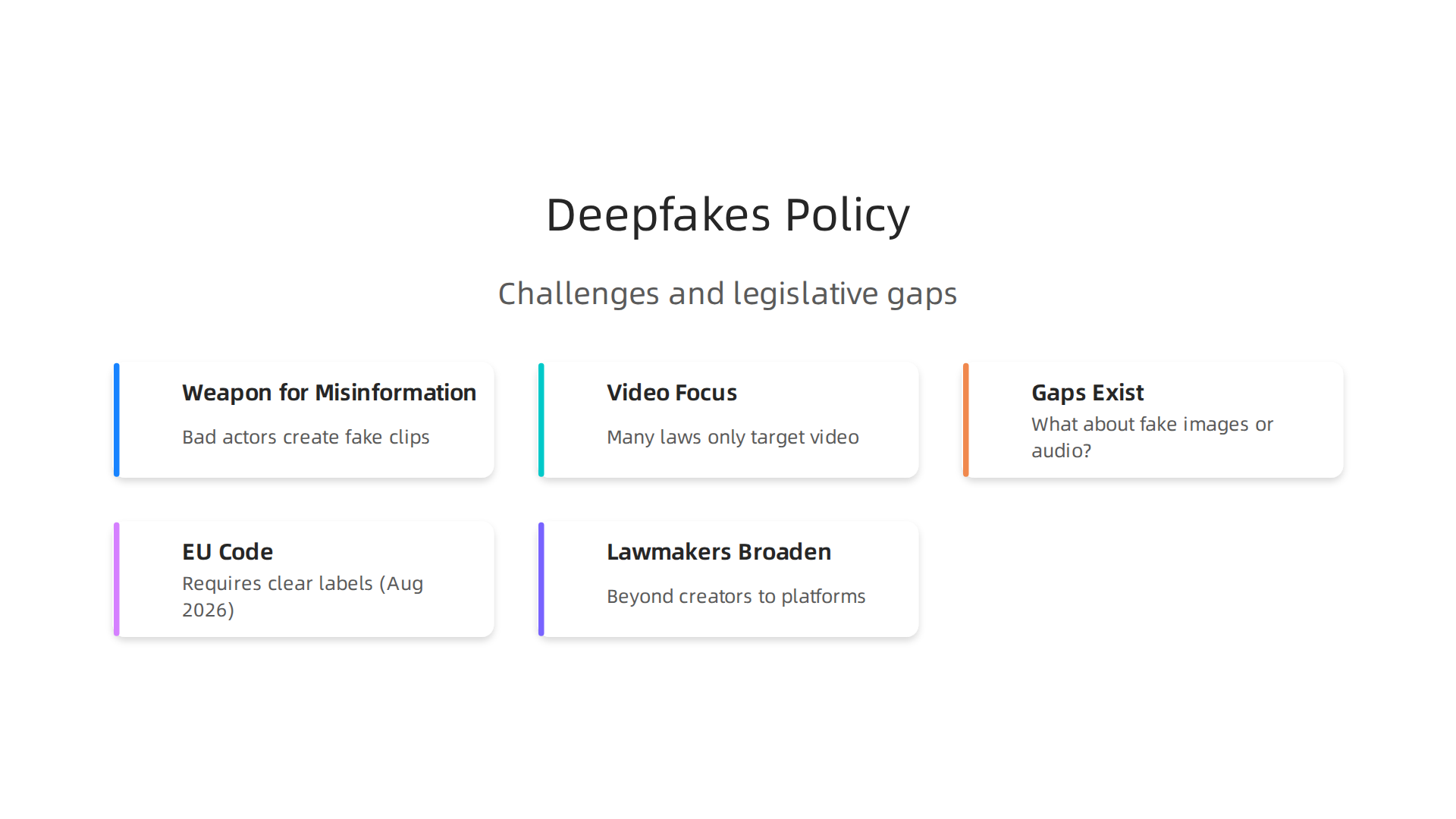
Deepfakes are a perfect weapon for misinformation. Bad actors can easily create fake clips of politicians. They can make it look like a crisis is happening when it is not. This shakes public trust and hurts media integrity.
As of May 2026, 30 states have passed laws targeting deepfakes in politics. But the Brennan Center notes that many of these laws focus only on video. What about fake images or audio used to trick voters? There are still big gaps. This is exactly why understanding the impact of a picture on artificial intelligence matters now more than ever.
The EU’s new AI Code of Practice will require clear labels on deepfakes starting in August 2026. And lawmakers across the country are working to broaden their approach beyond just punishing creators to cover the platforms that host this content.
The rules are changing fast. Our policies today will decide how much trust we keep in what we see online. Get Free Updates from The Deep View to stay ahead of the latest AI policy news.
AI-Powered Visual Surveillance and Privacy
You saw how fake images and deepfakes can trick us. But here is another side of image artificial intelligence that affects your daily life. It is visual surveillance.
AI now powers surveillance systems in cities, airports, and malls. These tools use facial recognition and object detection to watch crowds.

The goal is to find threats faster. But this power comes at a cost.
Privacy and civil liberties are at risk.
Facial recognition raises serious questions. When you walk down a street, can your face be scanned without your knowledge? Many people say no. Groups like Privacy International warn that this creates a "legal void" in countries like the UK. They say the risk to human rights is grave.
There is also a bias problem.
AI systems do not treat everyone the same. Studies show that facial recognition can be less accurate for people with darker skin tones. This can lead to unfair targeting by law enforcement. The Frontiers in Big Data journal explains that the law must step in to control these high-risk uses.
Policymakers are catching up.
The European Commission has proposed rules under its AI Act to limit facial recognition in public spaces. ISACA notes that these tools create ethical, legal, and privacy issues that need clear solutions. Coram AI treats facial recognition as a targeted investigative tool, not a baseline feature. This shows the industry is starting to take action.
The same technology that helps catch criminals can also invade your privacy. As we rely more on pictures on artificial intelligence for safety, we must ask: who is watching the watchers?
Understanding the full impact of an image artificial intelligence system is more urgent than ever.
Subscribe to The Deep View for daily insights on how AI surveillance and policy are shaping your world.
Facial Recognition: Balancing Security and Rights
Facial recognition sits at the center of a tough debate. It can help catch criminals and speed up airport security. But it can also put your rights at risk. Finding the balance is not easy.
Law enforcement and airports use these tools to scan faces in crowds. The goal is to find threats fast. But the same technology can also make mistakes. Studies show that these systems often work worse for people with darker skin. That unfairness can lead to wrongful targeting. Privacy International warns that a legal void puts human rights at grave risk.
Because of these problems, some cities and countries have started to say no. They are putting bans or moratoriums on facial recognition in public spaces. The European Commission has proposed rules under its AI Act to limit high-risk uses like live scanning in crowds. Groups like ISACA say these tools raise big ethical and legal questions that need clear answers.
The challenge is real. We want safety, but we also need to protect privacy. Understanding how image artificial intelligence powers these tools is key to making smart choices.
Get Free Updates and stay informed on how facial recognition rules are changing your world.
Data Privacy in Visual Surveillance Systems
Every time a camera captures your face in a public space, that data has to go somewhere. It gets stored, analyzed, and sometimes kept for years. The problem is, most people never give clear consent. They just walk by.
Visual surveillance systems collect huge amounts of data every day. Without strong rules, that data can be misused. That’s why laws like the GDPR in Europe and the CCPA in California set limits. They require companies to tell you what they collect, get your permission, and delete data after a set time. Privacy International points out that a legal void still puts human rights at risk in many places.
Anonymization is another key piece. Smart systems can blur faces or strip identifying details so the data can’t be traced back to you. But not all systems do this well. The ISACA blog notes that ethical and legal questions around facial recognition need clear answers.
To really understand how these privacy rules apply, you first need to know what you are dealing with. That starts with understanding how image artificial intelligence actually processes visual data.
Privacy rules change fast. Stay ahead of the curve. Subscribe Free to The Deep View for daily AI policy updates.
Visualizing AI for Policymakers
Policy documents filled with technical jargon rarely lead to good decisions. Lawmakers need to grasp how image artificial intelligence works before they can regulate it fairly. That is where smart visuals come in.
Pictures on artificial intelligence, like explainer videos or simple infographics, can turn complex models into something you can understand at a glance. In 2026, AI tools can generate these visuals from plain text prompts. They auto-select the right chart type and even suggest the best way to tell the story. Research from Frontiers shows how researchers are exploring exactly this integration of AI with data visualization to improve human comprehension.
But here is the catch. Creating videos on artificial intelligence or dashboards can be done fast, but it also opens the door to oversimplification. A misleading chart can shape policy faster than a hundred pages of technical notes. You have to check that the visuals reflect reality, not just what looks good.
The art of data storytelling matters more than ever in 2026. The best approach blends AI speed with human judgment. For policymakers, that means using AI-generated visuals as a starting point, not the final word. You can dive deeper into how images shape understanding in our guide to why the picture on artificial intelligence matters more than ever.
Want to stay on top of how AI visuals are changing policy? Subscribe Free to The Deep View for clear daily updates.
Data Storytelling with AI-Generated Visuals
Data alone rarely changes minds. Stories do. That is why combining data charts with AI generated imagery is such a powerful move for policy communication.

Tools like DALL-E, Midjourney, and Pika let you create custom visuals that make complex trends feel real. You can take a dry bar chart about AI model deployment and turn it into a compelling scene that shows what the data actually means for people.
A recent trend in 2026 is narrative driven data. Tools can now generate visuals from prompts, auto select the best chart type, and suggest how to frame the story. Here is how this works in practice. For example, imagine a policymaker explaining how AI regulation affected public opinion. They could combine a timeline chart with an AI generated image of a town hall meeting. The picture on artificial intelligence makes the data feel human.
Researchers are actively exploring how to integrate AI with data visualization to improve human comprehension. But as one expert panel notes, the challenge is helping people truly understand what they see. The human role in data storytelling remains essential. You have to check that the visuals reflect reality, not just a pretty AI prompt.
For a deeper look at how images shape understanding, check out our guide on why the picture on artificial intelligence matters more than ever.
Want to see more examples of how AI generated visuals are changing policy communication? Get Free Updates from The Deep View for simple daily insights.
Best Practices for Policy Communication
Using AI to tell stories with data is powerful. But it comes with responsibility. Here are three best practices to keep your policy communication clear, honest, and effective.
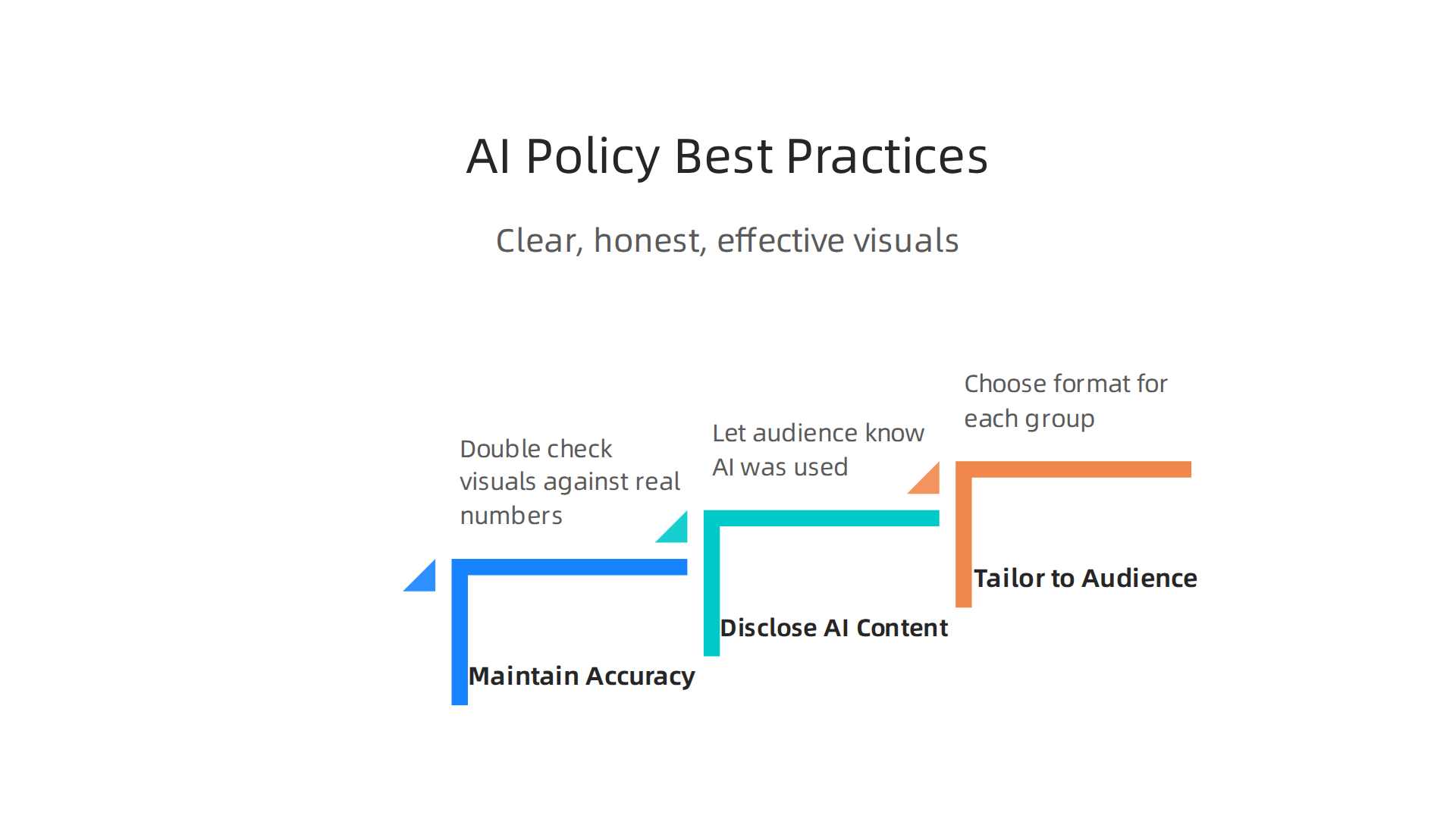
First, maintain accuracy. AI can create a convincing picture on artificial intelligence, but it can also invent details. Always double check that your image artificial intelligence matches the real numbers. As researchers from Frontiers in Research Topics explain, the whole point is to improve comprehension. A wrong chart can ruin trust fast. For a deeper look, check our guide on why the picture on artificial intelligence matters more than ever.
Second, disclose AI-generated content. If you used AI to create a chart or a video on artificial intelligence, let your audience know. Transparency is key. The MIT Sloan Review notes that generative AI works well in some cases but not all. Being open helps people trust your work.
Third, tailor to your audience. A legislator may want a short summary. A tech team may want raw data. The public may want a story with human examples. Choose the right format for each group. This is where artificial intelligence examples video or simple infographics can shine.
Following these practices helps you communicate policy clearly and build lasting trust.
Want to keep up with AI and policy? Subscribe Free to The Deep View for daily insights.
Regulatory Frameworks for AI Visual Content
As AI tools make it easier than ever to create pictures on artificial intelligence, governments around the world are rushing to update their rules. Existing copyright and intellectual property laws were not built for AI-generated content. Who owns the rights to an artificial general intelligence image? Does the creator of the AI own the output, or does the user? These questions are front and center in new policy debates. In March 2026, the European Parliament adopted a resolution on copyright and generative AI source. In the US, Senators have introduced the Copyright Labeling and Ethical AI Act source.
To stop misinformation and deepfakes, many new laws require clear labels on AI-made content. The EU AI Act, now in effect in 2026, forces companies to mark all AI-generated images and videos on artificial intelligence source. New York also passed laws that require a conspicuous disclosure when a synthetic performer appears in an image source. These labels help people tell the difference between human-made and AI-made content.
Other countries are moving fast too. State deepfake laws are expanding across the US source. China and the UK are also updating their rules for videos on artificial intelligence. The goal is the same: keep the public informed and build trust. For more on why this matters, read our guide on why the picture on artificial intelligence matters more than ever.
Want to keep up with these fast-changing rules? Subscribe Free to The Deep View for daily updates on AI and policy.
Copyright and Intellectual Property Challenges
So who actually owns a picture made by an artificial intelligence tool? That is the big question no one has fully answered yet. Right now, copyright law says only humans can hold copyright. But an artificial general intelligence image does not have a human author. This gray area is causing real headaches.
Copyright lawsuits against AI companies are piling up. Artists, photographers, and writers claim their work was used to train models without permission. In response, new rules like the EU AI Act now require companies to be transparent about their training data source. Meanwhile, the US Copyright Labeling and Ethical AI Act aims to bring clarity to ownership of pictures on artificial intelligence source.
Fair use is another messy area. When an AI learns from millions of images, is that fair use or theft? Courts are still deciding. The European Parliament adopted a resolution on copyright and generative AI to address this source.
Until these questions get solid answers, anyone creating AI content should be careful. For a deeper look, read our guide on why the picture on artificial intelligence matters more than ever.
Want to stay informed as these rules evolve? Subscribe Free for daily AI policy updates.
Proposed Legislation and International Cooperation
Governments around the world are finally taking action. In 2026, we are seeing a wave of laws aimed at making image artificial intelligence more transparent and trustworthy.
The European Union leads the charge. Under the EU AI Act, a new labeling requirement started in 2026. If you create or share synthetic media, you must clearly mark it as AI-generated. The goal is to help people tell the difference between real and fake content source. This applies to everything from realistic pictures on artificial intelligence to deepfake videos.
The United States is catching up fast. At the federal level, the Copyright Labeling and Ethical AI Act was introduced in Congress. This bill aims to bring clarity to the ownership of artificial general intelligence images source. On the state level, New York just passed two new laws. One of them requires a clear disclosure when a synthetic performer is used source. Across the country, state deepfake laws are expanding fast, especially around political ads and sexual content source.
The United Kingdom and China are also moving. The UK Online Safety Bill targets harmful videos on artificial intelligence and deepfakes. China already has strict regulations on synthetic media, requiring clear labels and bans on misleading content.
Here is the challenge. Every country has slightly different rules. A label required in the EU may not be required in the US. This patchwork makes it hard for global companies to comply. Experts are calling for international cooperation on a common set of standards.
For a deeper look at why these rules matter, check out our guide on why the picture on artificial intelligence matters more than ever.
Want to stay ahead of these global changes? Subscribe Free for daily AI policy updates.
National Security and Visual AI
Imagine a deepfake video of a general giving false orders to troops. Or a fake video of a foreign leader declaring war. These are not just movie plots. They are real threats that national security agencies face in 2026.
Malicious actors are using image artificial intelligence to create fake pictures on artificial intelligence and videos for influence operations and espionage. A 2024 analysis from the Center for Strategic and International Studies called this the "deepfake Rubicon"

source. The U.S. National Security Agency has warned that these synthetic media threats are growing fast source. Even Canada’s intelligence service says deepfakes can spread disinformation aimed at government officials and erode public trust source.
But image artificial intelligence is not just a weapon. It is also a shield. Defense and intelligence agencies use AI-powered surveillance to analyze satellite images, detect threats, and monitor borders. Autonomous systems like drones rely on visual perception for tasks like automatic target recognition. These systems use artificial general intelligence images and real-time video analysis to make split-second decisions source.
The same technology that can generate fake videos of leaders can also spot them. Researchers are building detection tools that analyze videos on artificial intelligence for signs of manipulation. For a real-world example, check out this discussion on countering disinformation with AI source.
The arms race between deepfake creators and defenders is heating up. Staying informed is critical for anyone working in national security or tech policy.
Want to keep up with the latest threats and defenses? Get Free Updates from The Deep View Newsletter for daily AI insights.
Deepfakes as a Geopolitical Tool
Have you seen a fake video of a candidate "admitting" to a crime right before an election? It sounds scary because it is. In 2026, state actors are using image artificial intelligence as a weapon to spread disinformation across the globe.
These groups create fake pictures on artificial intelligence and videos on artificial intelligence that look real. The goal is simple: cause confusion and turn people against each other. For example, a manipulated video of a politician saying something they never said can go viral in minutes. This can change how people vote or create social discord in communities. Research from the International Centre for Counter-Terrorism shows how easily these synthetic media tools can be used by hostile governments source.
The problem is not just making the fake content. It is also very hard to attribute who created it and detect it in time. By the time a deepfake is exposed, the damage is already done. That is why understanding the threat behind image artificial intelligence matters more than ever. For a deeper look at how fake images affect trust, read our article on why pictures on artificial intelligence matter.
These challenges mean we all need to stay sharp. Want to get daily updates on AI threats and defenses? Get Free Updates from The Deep View Newsletter.
Autonomous Systems and Visual Perception
Now let us look at how image artificial intelligence works in the real world. The same technology that creates fake videos also helps machines see.
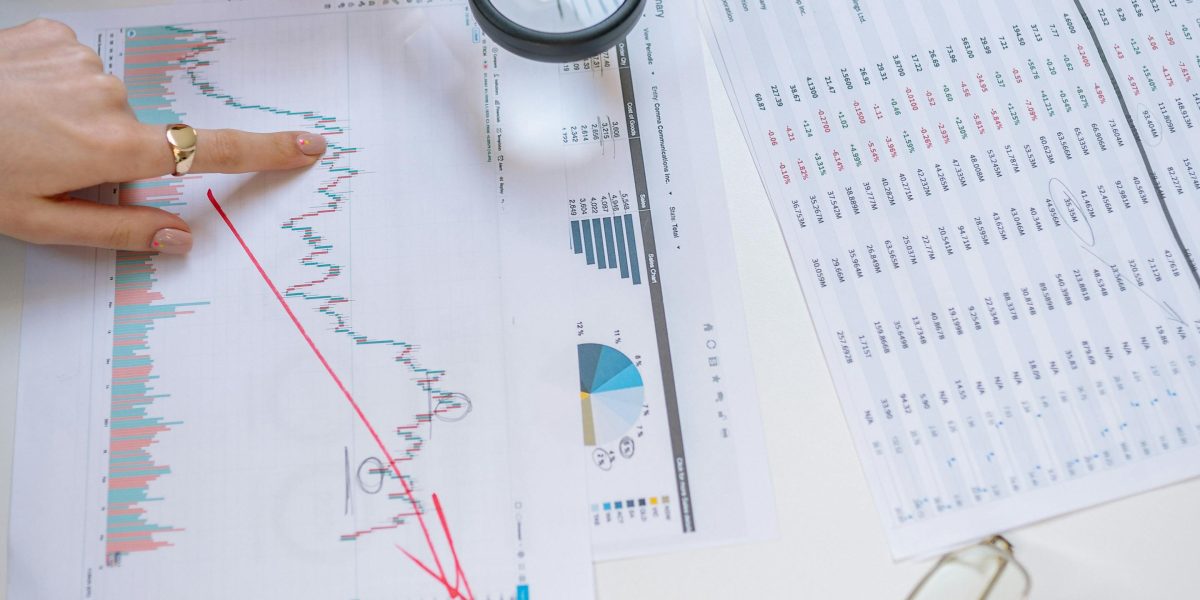
In 2026, military drones and surveillance satellites rely heavily on videos on artificial intelligence to navigate and identify targets.
Think about a drone flying over a conflict zone. It uses pictures on artificial intelligence to tell the difference between a civilian car and a military vehicle. This sounds helpful, but it also creates big problems. Who decides when the machine is allowed to fire? The Brookings Institution explains that militaries must now assume both state and nonstate actors have access to deepfake tools source. This makes visual perception even trickier.
Here is the hard part. Autonomous targeting raises serious ethical and policy dilemmas. If a drone makes a mistake and harms innocent people, who takes the blame? The programmer? The commander? The machine itself? These questions spark international discussions about lethal autonomous weapons. Many countries are debating rules to keep human control over the decision to kill. The weaponisation of deepfakes shows how easily synthetic media can confuse even the best visual systems source.
We need to understand how image artificial intelligence impacts safety. For more on how these images shape our world, read our piece on why pictures on artificial intelligence matter.
Stay ahead of these fast moving changes. Subscribe Free to get clear daily AI updates from The Deep View Newsletter.
Key Trends and Statistics in AI Visual Technology
The growth of image artificial intelligence is happening faster than most people realize. In 2026, the global AI image generation market is valued at $12.4 billion, according to updated weekly statistics
source. That number is climbing fast. Different reports show the market could reach somewhere between $1.08 billion and $30.02 billion by 2030 or 2033, depending on how you measure it source source. What is clear is that pictures on artificial intelligence are no longer a niche toy. They are a major industry.
Here is another big number. Over 150 million people now use AI image generators every month, producing 80 million images daily source. That is a lot of videos on artificial intelligence and still images reshaping how we create and consume media. The adoption is not just for fun. Industries like healthcare, automotive, and entertainment are using artificial intelligence examples video for everything from medical scans to marketing campaigns. Startups focused on AI visuals are attracting billions in venture capital, betting that visual AI tools will become as common as a word processor.
If you want to understand why this explosive growth matters for policy and safety, check out our article on how pictures on artificial intelligence are changing our world.
The landscape shifts every week. To stay on top of these fast moving trends and the rules being shaped around them, Subscribe Free to get clear daily AI updates straight to your inbox.
Adoption Rates and Investment Trends
Big numbers tell only part of the story. Where is all that money actually going? In 2026, venture capital is pouring into visual AI startups at record levels. These companies are building the next generation of tools that turn text prompts into professional grade images and videos. According to newer market reports, the AI-powered image generation tool sector alone could reach $272.8 billion by 2035, up from $9.1 billion in 2025 source. That kind of growth attracts serious funding.
Enterprise adoption is also accelerating fast. Big companies are no longer just experimenting with image artificial intelligence. They are embedding pictures on artificial intelligence directly into their workflows. Marketing teams use it for campaign visuals. Product designers use it for rapid prototyping. Even legal and compliance departments are starting to explore how artificial general intelligence images might affect copyright and risk. If you want to understand why this shift matters for regulation, check out our analysis on how pictures on artificial intelligence are changing our world.
But here is the catch. Adoption is not even across the globe. North America and parts of Europe are leading the charge. Many other regions are still catching up, held back by infrastructure gaps and limited access to the latest AI models. These regional disparities mean that the rules and opportunities for videos on artificial intelligence will look very different depending on where you sit.
The landscape shifts every week. To stay on top of these fast moving investment trends and the rules being shaped around them, Subscribe Free to get clear daily AI updates straight to your inbox.
Impact on Workforce and Society
Here is where the rubber meets the road. Image artificial intelligence is not just a tech trend. It is reshaping how people earn a living and how we trust what we see. Think about the creative industries first. Graphic designers, illustrators, and photographers are already feeling the pressure. Over 150 million people now use AI image generators every month source. That is a lot of competition for human creators. Many routine design tasks are getting automated, and some jobs are disappearing.
But new roles are popping up too. One of the fastest growing is prompt engineering. That means learning how to talk to AI tools to get the exact image or video you want. Companies also need people who can review and curate AI generated content. So the workforce is shifting, not just shrinking.
The bigger question is about trust. Pictures on artificial intelligence can look completely real. That makes it harder to tell what is authentic. Deepfakes and fake news images are a growing concern. Society needs new ways to verify visual media. If you want to understand why this matters for everyone, check out our deeper look at how pictures on artificial intelligence are changing our world.
These changes are happening fast. To keep up with how AI is reshaping jobs and trust, Get Free Updates from The Deep View Newsletter.
Summary
This article is a practical guide to how image-focused artificial intelligence is reshaping policy, law, and everyday life in 2026. It explains how modern generative models create realistic images and videos, why those visuals introduce risks such as deepfakes, bias, and invasive surveillance, and how those risks affect elections, privacy, copyright, and national security. The piece summarizes current legal responses—from dozens of U.S. state deepfake laws to EU labeling rules—and highlights gaps and international coordination challenges. It also covers how AI powers facial recognition and autonomous systems, the data-privacy concerns that follow, and the economic and workforce shifts driven by visual AI adoption. Readers will learn practical ways to spot manipulated media, what regulators are doing, best practices for transparent policy communication, and what questions organizations should ask when deploying visual AI. The goal is to give technologists, policymakers, and communicators the context they need to make safer, more trustworthy choices about AI-generated images and video.