

When we talk about tech policy and how companies are run, one term often comes up that can be a bit tricky: the shell company. Many people don’t fully grasp what a shell company is or why it matters so much in today’s world.

The main issue with these companies is that their true owners are often hidden. This "opaque ownership" can make it very hard for governments and other groups to create good rules, make sure companies follow those rules, and even protect national security.
Simply put, a shell company is a business that exists mainly on paper. It often has no real offices, no employees, and little to no actual business operations in the place where it is registered. Its main goal is often to hold assets or perform financial tasks without showing who is truly in charge. For example, the organization Transparency International describes a shell company as an entity that has no physical presence, no employees, and no commercial activity in its registered location, often used to hide the real owner from taxes or other disclosures
Shell Company – Corruptionary A-Z. Other experts agree, noting that these entities might be registered but do very little actual work, if any Summary.
For tech companies, including fast-growing B2B SaaS companies, the way ownership is set up is a big deal. Whether it’s a large corporation or a small single member LLC, clear ownership helps everyone understand who is accountable. When ownership is hidden by a shell company, it can be tough to track funds, prevent illegal activities, or make sure businesses are following data privacy and antitrust laws. This lack of clear information poses risks for regulation, compliance, and even national defense.
This article will help you understand all about shell companies. We’ll give you clear definitions, look at different legal structures they might use, explain the risks involved, and share the best ways to manage them. Our goal is to provide useful information for everyone involved in the tech world. Understanding these structures is crucial for making smart choices about your business and staying on the right side of the law in 2026. If you want to dive deeper into how different business setups work, you can explore more about choosing the right business structure.
Staying updated on all the changes in tech policy, especially around topics like AI governance, is also super important. Get clear daily AI updates from The AI Newsletter Worth Reading.
When we talk more deeply about a shell company, it’s helpful to look at how different groups officially define it. Most legal and financial bodies agree on the main points: a shell company is a business that mostly exists on paper. It has very few or no real business activities, no employees, and often no actual office in the place where it is registered.
For example, the US Law’s Legal Information Institute says a shell company, or shell corporation, has "no or only nominal business operations and few or no assets" shell company | Wex | US Law | LII / Legal Information Institute. Another important group, the Financial Crimes Enforcement Network (FinCEN), sees shell companies as limited liability companies (LLCs), corporations, or trusts that usually don’t have a physical office beyond a mailing address and don’t create much real economic value on their own
Potential Money Laundering Risks Related to Shell …. Also, the U.S. Securities and Exchange Commission (SEC) describes a shell company as one with "no or nominal operations" and "no or nominal assets" except for cash Guide to Shell Corporations | Weisblatt Law | Houston TX.
It’s important to know that not all companies that seem "on paper" are bad. Sometimes, these structures are used for good and legal reasons. Here are some common forms you might see, especially in the tech world:
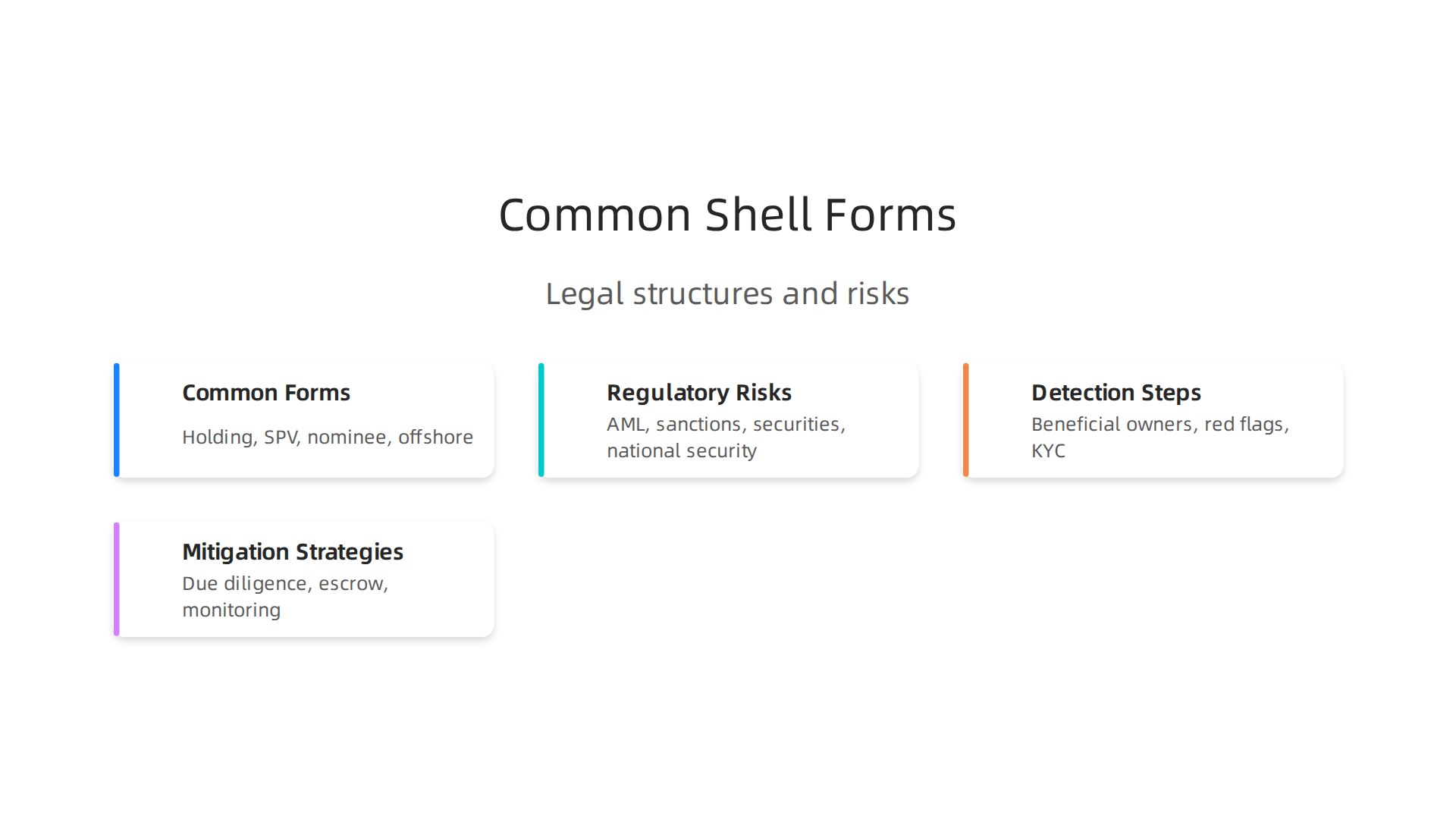
- Holding Companies: These are often set up to own other companies or assets like patents and trademarks. A parent company might create a holding company to manage the intellectual property (IP) for its many
b2b saas companies. This can be a smart way to protect assets. - Special Purpose Vehicles (SPVs): An SPV is a company made for a very specific, limited job. For instance, a tech company might create an SPV just to buy another company (M&A) or to handle a specific project’s funding. These are common in big deals and can help limit risks for the main company. If you’re looking into funding for new projects, understanding these structures can be part of how you secure startup funding in 2026.
- Nominee Structures: This is where someone (the nominee) officially owns the company shares, but they are holding them for the real owner. While this isn’t always illegal, it can make it harder to find out who is truly in charge.
- Offshore Entities: These are companies set up in other countries, often where taxes are lower or privacy laws are stronger. Many tech firms, even
single member llcstructures, might use them to manage international business or hold assets, but these can also be misused to hide money.
For businesses like revamp companies or association management companies, setting up different legal entities is a normal part of how they operate. However, when these forms are used to hide ownership or avoid laws, that’s when a legitimate "paper company" turns into a problematic shell company. It’s a key difference between smart business structure and something that might cause problems with the law. You can learn more about LLC compliance 2026 to ensure your company meets all the legal requirements.
Common legal structures and how shell companies are used in tech transactions
Building on what we just talked about, let’s dive deeper into how tech companies use these legal setups.

Holding companies and special purpose vehicles (SPVs) are key tools for many businesses, not just those in tech. They help companies manage their growth and risks in a smart way.
A holding company mainly owns shares in other companies, called subsidiaries, and holds assets like patents or trademarks. It doesn’t usually do much business itself, but it can manage the ownership and even help finance the companies it owns What is a Holding Company Structure and Why is it so …. For example, a big tech company might have one holding company to own all its b2b saas companies that offer different services. This structure can protect the main company’s assets and make tax planning simpler.
Special purpose vehicles (SPVs) are also very common. An SPV is a separate legal company made for a single, specific job. It’s often set up to keep certain risks away from the main company.
Think of it this way: if a tech company wants to buy another company or fund a big project, it might create an SPV to handle just that deal. This way, if something goes wrong with the project, the main company’s other businesses stay safe Special Purpose Vehicles (SPVs) Guide – CSC global. SPVs are widely used in big investment deals because they help keep things clear and limit how much money is at risk for the parent company.
These setups are generally good and lawful. They help companies:
- Protect assets: By putting different parts of a business into separate companies, if one part faces problems, the others are usually safe.
- Plan taxes: Sometimes, certain structures can help companies manage their taxes more efficiently within legal limits.
- License intellectual property (IP): A holding company can own all the patents and trademarks, then license them out to its subsidiaries or other companies.
However, the line between a smart legal structure and a problematic shell company can get blurry. A shell company becomes an issue when it’s used to hide who really owns it, avoid laws, or do illegal things like money laundering. This is where the concern about transparency comes in.
In 2026, there’s a big push for more transparency about who truly benefits from and controls companies. Many countries are now requiring businesses to share information about their "beneficial owners" in public registers. This includes who really holds the power behind nominee structures and offshore entities, not just who is listed on paper. These new rules are changing how banks and governments verify company information UBO registries in 2026 how banks verify transparency …. This global effort aims to make it harder for shell company structures to be used for bad reasons.
If you’re looking to set up your own business, understanding the best way to structure it legally is very important. You can find more helpful advice on how to choose the right setup to protect your business assets and manage taxes by reading about choosing the right business structure.
For professionals keeping up with the fast pace of tech regulation, getting clear, daily insights is a must.
Get clear daily AI updates from The AI Newsletter Worth Reading.
After learning about holding companies and special purpose vehicles, it’s clear these structures have good uses. But when they become shell companies, they open the door to serious legal trouble. This is why knowing the rules and keeping things clear is so important for businesses today.
Regulatory risks, enforcement, and compliance considerations
When a company acts like a shell company to hide who is really behind it, this can lead to big problems with the law. Governments around the world, especially in 2026, are working harder to stop these hidden activities. This means tech companies and investors must be very careful to follow all the rules.
Here are some main risks:
- Anti-Money Laundering (AML) Laws: These laws stop people from making dirty money look clean. A
shell companyis often used to move illegal money around without anyone knowing its true source. This is a huge risk, and financial institutions are warned to be watchful for these signs Potential Money Laundering Risks Related to Shell Companies. If a company is caught helping with money laundering, it can face massive fines and even criminal charges. - Sanctions: Sanctions are like special bans put in place by governments to stop trade or business with certain countries, groups, or people. Sometimes, bad actors try to use
shell companiesto get around these bans. For example, they might use ashell companyto buy or sell goods that are not allowed. The US government’s Office of Foreign Assets Control (OFAC) has warned against using tricky deals, called sham transactions, to get around sanctions OFAC Issues Advisory on Sham Transactions and Sanctions Evasion. - Securities Law: These laws protect investors who buy stocks and other financial products. A
shell companymight be used to trick investors by hiding who owns it or what its true business is. This can lead to fraud and other illegal activities in the stock market. The U.S. Securities and Exchange Commission (SEC) has a specific definition for ashell companyrelated to public companies Guide to Shell Corporations. - National Security Reviews: When a tech company or an investor wants to buy another company, especially one that deals with important technology, governments often check the deal for national security reasons. If a
shell companyis involved, it makes it hard to see who is truly gaining control, which can raise serious red flags about potential risks to a country’s safety.
How Enforcement Changes Things for Tech Firms
Governments are getting tougher on shell companies. For instance, in 2021, the US passed the Corporate Transparency Act (CTA). This law aimed to make it harder for bad actors to hide behind anonymous companies by making businesses report their "beneficial owners," which means the real people who own or control the company Opaque Shell Companies. This law was a big step towards more transparency, even though there have been changes to how it’s enforced in 2025. These efforts show that the push for clear ownership is strong and continues to shape how businesses operate.
Because of these new rules and stronger enforcement, tech firms and investors must put more effort into "compliance." This means making sure they follow all the laws, not just some of them. They need to really know who they are doing business with and who the actual owners of other companies are, not just the names on paper. This is key to avoiding legal troubles.
If your business involves a single member llc or other company structures, it is important to understand what the latest rules mean for you. You can learn more about these updates by reading about LLC compliance in 2026. Staying on top of these laws helps protect your business and keeps it running smoothly and legally.
After understanding the serious legal risks that shell companies pose, businesses in 2026 need clear ways to find them. It’s not enough to just know the rules; you also have to be good at checking things to make sure you’re not dealing with a hidden company. This careful checking is called "due diligence." It helps protect your business from problems like fraud and money laundering.
Practical Steps for Checking Companies
Finding a shell company means looking beyond what’s on the surface. Here are some key things to check:
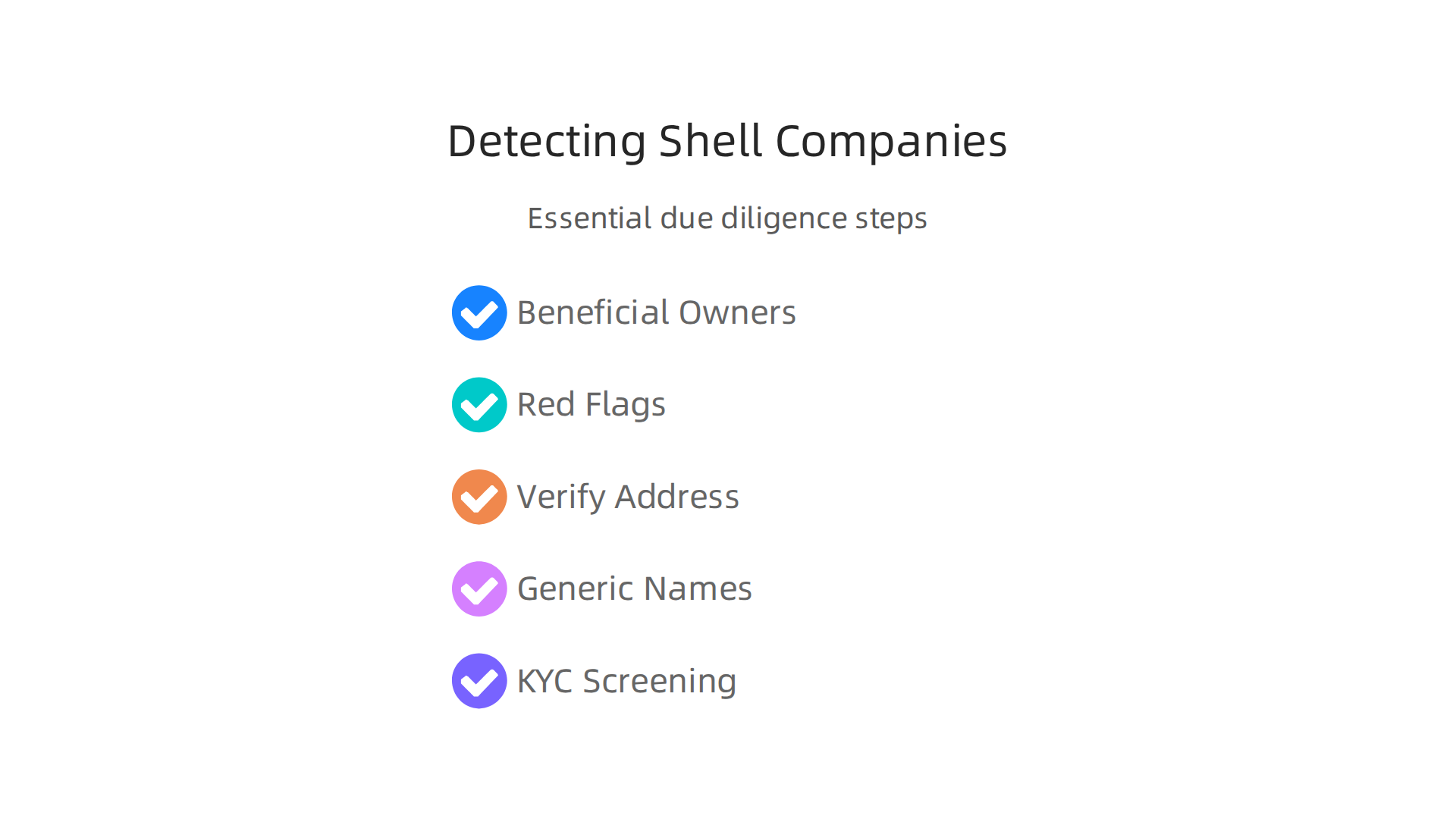

- Who Really Owns It? You need to find out who the real people are behind a company. This is called finding the "beneficial owners." Sometimes, companies try to hide this with many layers of ownership. It’s important to look at all the connections and cross-check information with official records to make sure everyone is who they say they are Shell Companies.
- Look for Red Flags in Transactions: Watch out for money movements that don’t make sense. For example, are there payments that don’t say what they’re for, or don’t match the kind of work the company says it does? These kinds of unknown payments can be a big warning sign Shell Companies, Corrupt Practices and How to Uncover …. Also, repeated money transfers with no clear business reason are often suspicious What is a Shell Company and How to Detect It.
- Check the Company’s Address: One easy first step is to look at the company’s official address. Use online maps to see if it’s a real office building, or just a home, empty lot, or post office box. A fake address is a major red flag Shell Company Red Flags: A Practical Guide for Auditors.
- Generic Names and Missing Staff: Be careful if a company has a very general name that doesn’t tell you much about what it does. Also, if a company seems to have no actual staff or proper office space, that’s another sign it might be a
shell companyWhat is a Shell Company and How to Detect It. - Know Your Customer (KYC) and Anti-Money Laundering (AML) Screening: These are processes where businesses check the identity of their customers and look for signs of illegal money activities. It’s especially important for
b2b saas companiesandassociation management companiesto do these checks carefully.
Tools and Smart Ways to Uncover Hidden Ownership
To truly find shell companies, you need special tools and methods:
- Public Records and Company Registries: Always check official government websites that list businesses. These can show when a company was started, who its registered agents are, and if it’s following the rules.
- Data Analysis: Using computer programs to look at lots of data can help find strange patterns that a person might miss. This can point to possible fraud hidden within a company’s transactions Using data analytics to find fraud under those shells.
- Forensic Accounting: This is like detective work for money. Experts look very closely at financial records to find hidden truths and illegal activities.
Whether you run a big tech company or a single member llc, knowing these best practices for detecting shell companies is vital. It helps you keep your business safe and legal. Making smart choices about how your company is set up can also protect your assets and follow all the rules. To learn more about how different company types work, read about choosing the right business structure.
Staying informed about the latest policy changes and how they affect businesses is a continuous effort.
Get clear daily AI updates from The AI Newsletter Worth Reading.
Staying informed about the latest policy changes and how they affect businesses is a continuous effort.
As we look at 2026, the rules around finding shell companies are changing quickly. Governments around the world are trying to make it harder for these hidden businesses to operate, but there are also shifts in how these rules are actually put into practice.
Policy Trends and International Enforcement Affecting Shell Company Use (2026 Outlook)
In 2026, understanding the big picture of policies and international efforts is key to dealing with shell company risks. There’s a strong push for more transparency, meaning governments want to know who really owns companies.
Changing Rules for Who Owns Companies
One of the biggest changes in the United States was the Corporate Transparency Act (CTA), passed a few years ago. The goal of this law was to make sure that people couldn’t hide behind anonymous shell companies by making companies report their true owners. However, the situation has become more complex in 2026. The Treasury Department has recently made changes, choosing not to enforce the CTA for most US businesses.
This means that a large number of companies, including many smaller businesses and even a single member llc, are now exempt from having to report who their beneficial owners are Treasury Exempts 99 Percent of Entities from Ownership Reporting. In fact, there are even plans for FinCEN to remove some of the ownership information that companies had already submitted FinCEN plans to delete data on U.S. companies from beneficial ownership database. These shifts mean that llc compliance rules are not as straightforward as they once seemed.
While the US has seen some changes in its approach, many other countries are moving towards stricter rules. By 2026, more countries are setting up public registries that show who the real owners of companies are. The European Union, for example, is tightening its own beneficial ownership rules, with member states working to fully put these rules into place by July 2026 Countdown to new EU beneficial ownership rules. Countries like the UAE and Singapore are also making their ownership rules tougher Beneficial ownership, 2026: Why "same direction" still …. These international steps are often guided by groups like the Financial Action Task Force (FATF), which gives advice on how to stop money laundering and terrorism financing. This global effort makes it harder for shell companies to hide across borders.
New Areas of Enforcement and What They Mean for Businesses
Beyond ownership rules, governments are also focusing on new ways to stop illegal activities. One big area in 2026 is stopping "sham transactions," which are fake deals used to get around sanctions. The US Office of Foreign Assets Control (OFAC) has warned businesses about these kinds of deals, giving examples and red flags to watch out for OFAC Issues Advisory on Sham Transactions and Sanctions Evasion. This means companies, especially b2b saas companies and association management companies that work with international partners, need to be very careful about who they do business with.
There’s also a renewed focus on customs enforcement, with new executive orders aimed at fixing issues that get in the way of fair trade Trump Signs Executive Order Addressing Structural Gaps in Trade Enforcement. These changes mean that businesses involved in importing and exporting will face more checks. For revamp companies looking to improve their operations or investors trying to find safe opportunities, it’s vital to understand these shifting rules. Ignoring them can lead to serious problems. Keeping up with global policy changes is important for any business that wants to navigate international trade safely. You can learn more about how to handle bigger policy shifts affecting tech businesses by exploring topics like Navigating Global Tech Systems Policy in 2026.
With new policies always changing, businesses need to have strong internal controls. It’s not enough to just know the rules outside your company. You also need good ways to manage things inside, making sure your business stays clear and honest. This is where strategic governance comes in, helping your company be open and reduce risks.
Strategic Governance: Board Oversight, Transparency, and Risk Mitigation
In 2026, good governance means that your company’s leaders, like the board and legal teams, play a big part in stopping problems like shell company misuse.

They do this by setting clear rules and watching over how things are done.
Governance Controls for Boards and Legal Teams
Boards need to make sure their company has strong transparency policies. This means being clear about who owns the company and how decisions are made. Legal teams are key here. They help create rules and agreements that make sure everyone knows their part. They also look at things like Special Purpose Vehicles (SPVs). An SPV is a separate company set up for a special reason, like holding specific assets or managing a project Special Purpose Vehicles (SPVs) Guide. While SPVs are often used legally, they need careful governance to ensure they are not misused like a shell company. For example, a parent company might use several SPVs, one for each project or group of assets, to manage risk Holding Company, Group Structure & SPV Explained.
Legal teams also set up "escalation triggers." These are clear steps to follow if something suspicious happens, like if a transaction seems off or ownership isn’t clear. They also write strong contractual clauses in all agreements. These clauses make sure that partners are honest about their business structures and don’t use hidden companies. This is especially important for smaller entities, like a single member llc, which still needs to uphold llc compliance and clear ownership practices, even if recent US reporting rules have changed. Understanding how to best choose and manage your business structure can provide a strong foundation for your company’s honesty and stability. You can find out more about this by reading about Choosing the Right Business Structure.
Practical Mitigation Strategies for Investors, Acquirers, and Founders
If you’re an investor looking to put money into a company, or a business looking to buy another one, you need to be very careful. Founders also need to be aware of how their own company is seen. Here are some smart ways to lower your risks:
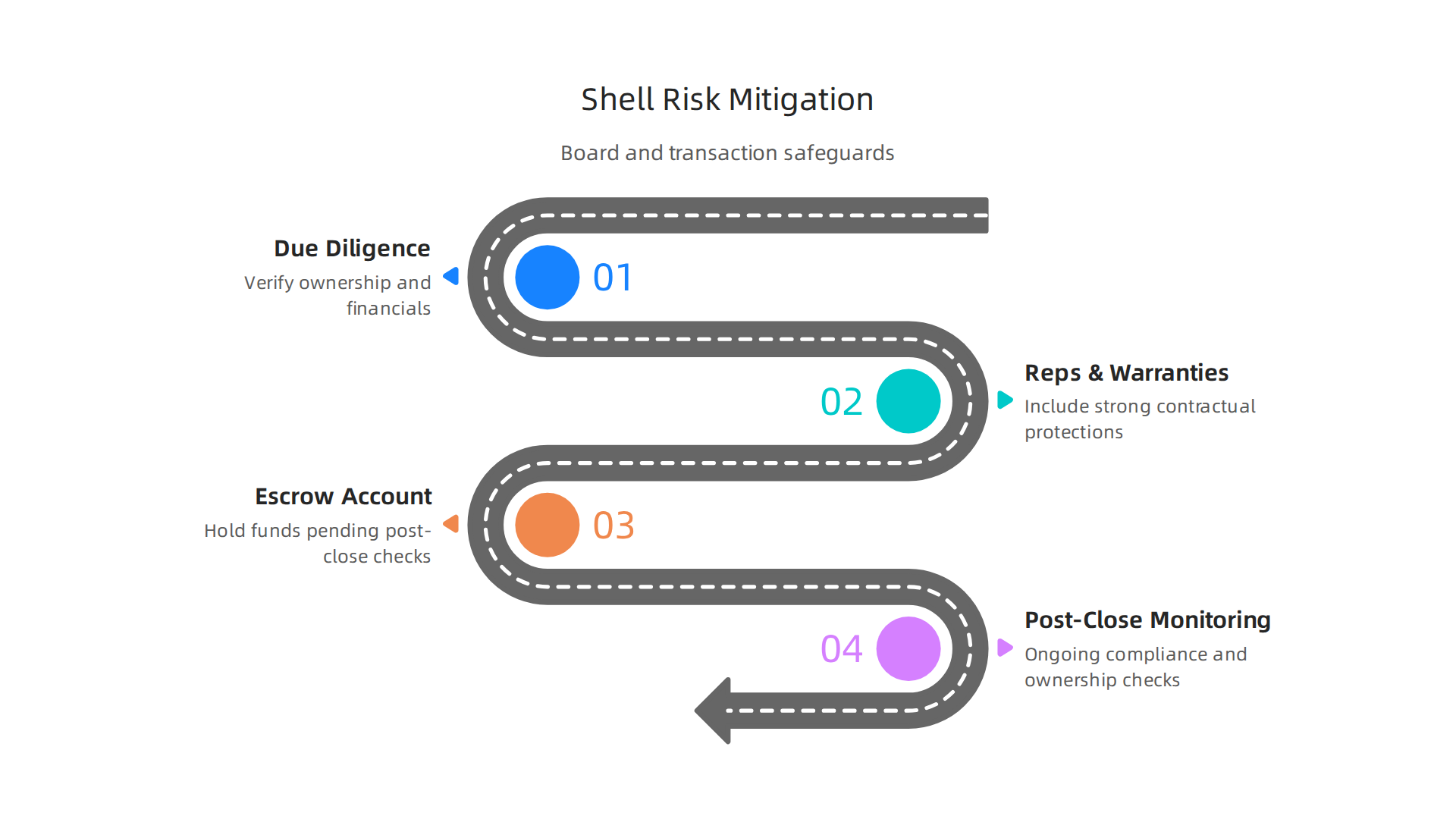
- Do your homework (Due Diligence): Before any deal, you must carefully check the other company. Look for signs that it might be a
shell company. This means checking if it has a real address, actual staff, or a clear purpose for its business What is a Shell Company and How to Detect It. Look out for things like strange payments with no clear reason. - Use representations and warranties: These are promises made in a contract. The seller promises that their business is honest and has no hidden problems. If these promises turn out to be false, you can take action.
- Set up an escrow: This means putting some money aside in a special account after a deal closes. If problems arise later, this money can be used to cover the costs.
- Post-close monitoring: Don’t stop checking after the deal is done. Keep watching the company for a while to make sure everything stays above board. This is important for
b2b saas companies,revamp companies, andassociation management companiesthat often deal with complex partnerships and financial flows.
By putting these strategies into practice, businesses can protect themselves and make sure they are dealing with real, transparent partners. It helps everyone avoid the hidden dangers that shell companies can bring.
For more daily insights into how policy affects technology and business, you’ll want to stay current. Get clear daily AI updates from The AI Newsletter Worth Reading.
Summary
This article explains what shell companies are, why opaque ownership matters for tech firms, and how these paper entities are used both legitimately (holding companies, SPVs) and abusively (to hide owners or evade laws). It covers the main legal risks—money laundering, sanctions evasion, securities fraud, and national security reviews—and shows why clear beneficial-ownership transparency is critical for B2B SaaS firms, startups, and investors. You will learn practical detection steps (ownership tracing, address checks, transaction red flags), tools (public registries, data analytics, forensic accounting), and smart governance measures boards and legal teams should adopt. The piece also summarizes the shifting 2026 policy landscape—ranging from the U.S. Corporate Transparency Act changes to tightening EU rules—and explains what investors and acquirers must do to reduce risk. Finally, it offers concrete deal-level protections like reps and warranties, escrow, and post-close monitoring so organizations can transact safely and comply with evolving regulations.