
Why platform verification and policy matter for startup funding in 2026
In today’s fast-moving digital world, how businesses show up online is more important than ever. For new companies, called startups, proving who they are and gaining trust is key to growing.

But in 2026, it is not just about having a nice website or a strong social media presence. Programs like Meta Verified for Business are changing how we think about trust online. These programs give businesses a special badge that shows they are real and verified.
Actually, this kind of platform verification is getting tangled up with bigger rules and expectations. It’s not just a social media perk anymore. It is now deeply connected to what governments expect from businesses, what investors look for when they decide to give money, and how much customers trust a brand. For example, rules like the Customer Due Diligence (CDD) Final Rule aim to make sure companies are transparent and help stop bad actors from misusing businesses for illegal activities, which includes checking who customers and businesses really are CDD Final Rule.
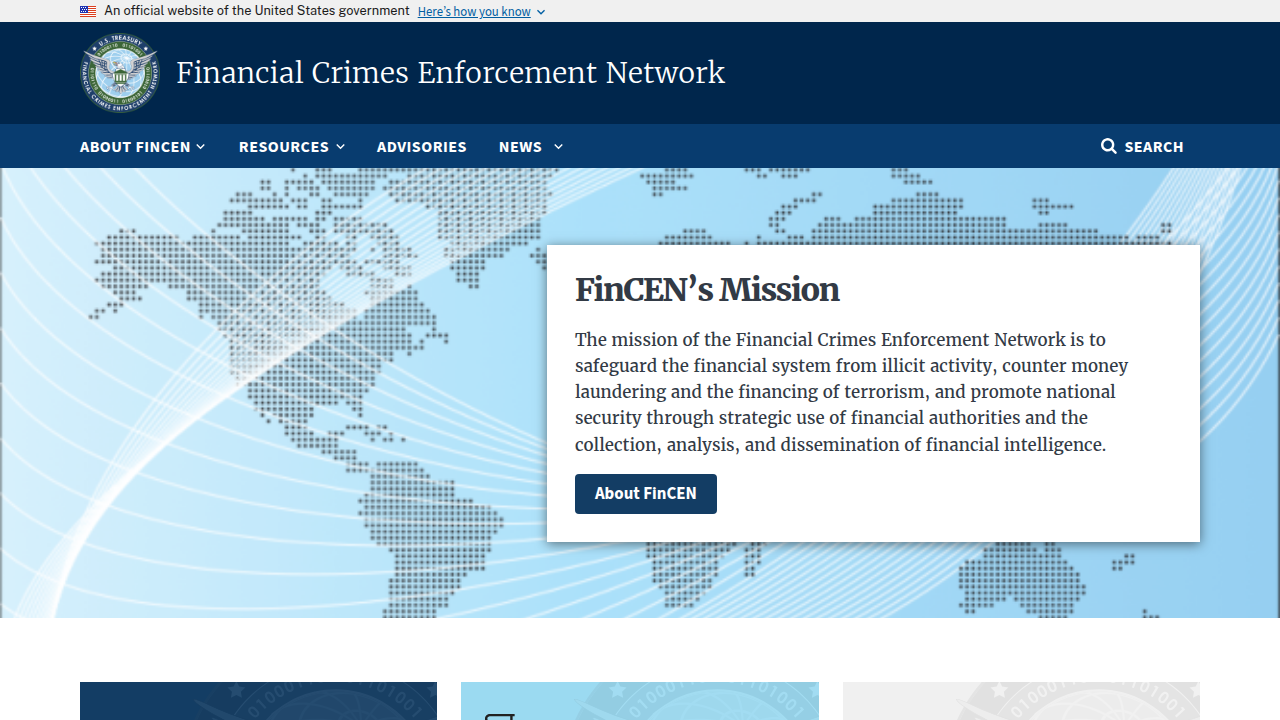
Other guidelines in 2026 also focus on strong customer identification and verification programs, requiring things like financial statements to prove a business’s legitimacy Federal Register/Vol. 91, No. 118/Monday, June 22, 2026/ ….
This means that for any startup, especially those that are tech smart, understanding these verification steps and the rules behind them is super important. It affects everything from how they get their first customers to how they secure funding from investors.
This article will help you understand all of this better. We will look at:
- The policy rules that make platform verification so important.
- The legal and compliance risks if a startup doesn’t follow these rules.
- How verification affects a startup’s chances of getting money from investors.
- Simple, practical steps that both startups and investors can take to navigate this new landscape in 2026.
Staying informed about these changes is crucial for anyone in the tech world. To keep up with the latest insights in this fast-changing space, remember to get clear daily AI updates from The AI Newsletter Worth Reading. We will also touch on how major tech firms are influencing these policies. For more on that, read our insights on Decoding Corporate Influence by Major Tech Firms in 2026 Policy.
The rules for how businesses show up online are always changing. For tech smart startups, especially, keeping up with these rules is a big deal.

We have already talked about how programs like Meta Verified for Business help show a company is real. But these badges and checks are not just for show. They are tied to important rules from governments about privacy, stopping fraud, and keeping customers safe.
Think about how your private information is handled online. New rules are being made to protect personal financial data rights. This means that companies need to be very careful with the information they collect. Strong verification programs make sure that only the right people can access sensitive data. This helps protect customers from harm. For example, some rules require businesses to have good customer identification programs to fight against illegal money activities. This includes checking who people are and if they are allowed to work in a certain country, especially for banking services Banking Services, Customer Due Diligence, and Know-Your …. Also, new rules about financial data rights mean that data providers must start following strict rules beginning in April 2026, depending on how big they are Required Rulemaking on Personal Financial Data Rights.
Governments and lawmakers are now seeing these online trust features, like verification badges, as key tools. They use them to make sure companies follow the law. This means that platforms like Facebook, X, and Instagram are not just social spaces anymore. They are becoming places where businesses must prove they are trustworthy, not just to their customers, but also to the law. Regulators want to make sure that when a business says it is verified, it really is. This helps stop scams and protects people who buy things online. For example, countries like the UK are even surveying businesses to gather data about how they operate, to better understand and shape future rules UK Business Data Survey 2026: information for ….
This changes things for both startups and the platforms they use. Startups need to make sure they follow all the rules, even the small ones, to get and keep their verified status. This also means understanding data governance, which is about how data is collected, stored, and used. For more insights into these rules, you can read our guide on Unpacking Tech Data a Policy Professionals Guide for 2026. For platforms, they must work closely with governments to make sure their verification programs truly help meet legal goals. For instance, in the US, the Small Business Administration (SBA) often updates its rules that can affect small businesses, which are important for startups looking for opportunities, like maybe even veteran business grants January 2026 SBA Report + Index.
The way platforms are checked and regulated today shapes how new companies can grow and get money. It means that being a verified ohio business or any business trying to scale up requires more than just good ideas; it demands strong compliance and a clear digital identity. Even in areas like AI, rules are being made for data quality and cybersecurity to ensure trust in new technologies Guidelines and Regulations to Provide Insights on Public ….
Online verification programs like Meta Verified for Business do more than just give you a blue badge. They actually help businesses show they are real and follow important rules. Let’s look at what these programs offer and why they matter for everyone.
What ‘Meta Verified for Business’ and similar programs actually do (policy and product view)
When a business uses a program like Meta Verified for Business, it gets several key features. These features are designed to build trust and meet legal needs.
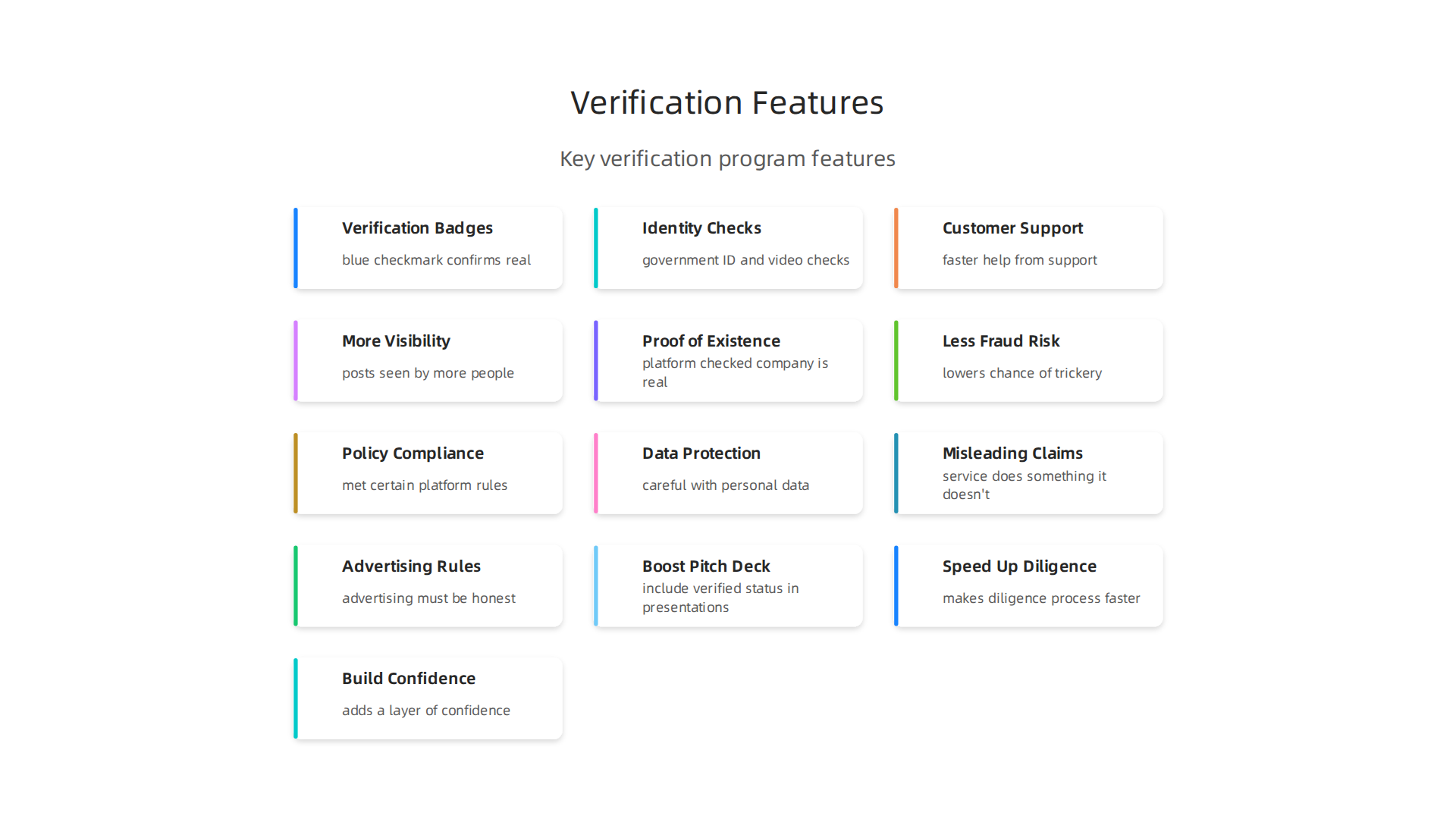
- Verification Badges: The most noticeable thing is the blue checkmark. This badge tells people that the platform has checked the business and confirmed it’s real. It’s like a stamp of approval. Many business verification services help confirm if a company is real and safe, pulling information from many sources to quickly check the facts Top 6 Business Verification Services and Software for Funding Checks.
For Meta, this badge is part of a subscription that also offers other benefits What is Meta Verified? Everything to know in 2026.
- Identity Checks: To get that badge, businesses need to prove who they are. This often means showing a government ID and sometimes even doing a video check Meta Verified for Businesses: Everything You Need to Know. This process helps to verify information like a company’s legal name, registration, and address. These checks ensure that the business is really registered and operating where it says it is Online Business Verification: Everything You Need to Know. It also helps confirm who the real owners are by checking their IDs.
- Better Customer Support: Many verification programs come with faster help from customer service teams. This means if a verified business has a problem, it can get help more quickly.
- More Visibility for Ads: Sometimes, being verified can help a business’s ads or posts be seen by more people. This can be a big plus for a
tech smartstartup trying to grow.
How These Features Connect to Rules
These features aren’t just for show; they help platforms and governments deal with big policy issues:
- Identity Assurance: By checking IDs and business details, these programs make sure that a business is who it says it is. This is important for preventing fake companies from tricking customers.
- Stopping Fraud: Strong identity checks help fight against fraud and illegal money activities. Identity verification helps companies stop fraud and follow important rules The benefits of using an identity verification platform for your business. This is critical for keeping online spaces safe for everyone.
- Platform Responsibility: When platforms require businesses to be verified, it shows they are taking steps to make their sites safe and trustworthy. This helps them meet their own legal duties and avoid problems with regulators.
For any ohio business or startup, getting verified is not just about looking good. It is about building a strong, clear digital identity that meets today’s rules. Staying informed about these rapidly changing policies is key.
Get clear daily AI updates from The AI Newsletter Worth Reading.
When a business seeks money from investors, those investors do a very important check called "due diligence." Think of it like a deep dive to make sure everything about the business is real and sound. It’s when investors look closely at a company’s products, market, team, money, and legal standing before they put their cash in Fundraising & Investor Due Diligence.
So, how does a verification badge, like the one from Meta Verified for Business, fit into this?
What Investors and Legal Teams Look For
A platform verification status can be a useful signal to investors. It tells them that a basic level of checking has already happened.
- Proof of Existence: If a business has a verified badge, it means a big platform has checked that the company is real and not just a made-up name. Investors still do their own checks, often using special tools to make sure a company truly exists and has the right legal setup 8 Best Due Diligence Tools for VCs (2026 Ranked) | VC Beast.
- Less Risk of Fraud: When a business owner has proven their identity to a platform, it lowers the chance of trickery. Investors want to know their money is going to honest people running a real business. For a
tech smartstartup, showing this early proof of legitimacy can make a big difference. - Following the Rules: Verification often means the business has met certain policy rules of the platform. This can be a small comfort to investors that the company is trying to do things the right way. They want to avoid investing in companies that might face legal trouble later.
However, a platform verification badge is just one small piece of a much bigger puzzle. Investors will check many other things, like how well the company protects customer information or its finances. For instance, making sure an Ohio business follows all state and federal rules is a critical part of investor review, far beyond just a platform badge.
When Verification Signals Matter More
There are times when a platform’s verification can be extra important, almost like a strong green light for investors:
- Marketplaces with Sensitive Information: If a business deals with lots of personal data or connects buyers and sellers in important ways, its verification status matters more. For example, a company like
LiveView Technologiesthat relies on trusted video monitoring might find platform verification helpful in showing its reliability to partners and investors. - Regulated Industries: Businesses in areas with strict rules, like health care, finance, or even certain online services, need to show they are very careful about who they are. In these fields, platform verification can add another layer of trust. Legal teams advising investors will pay close attention to all kinds of verification a company has, including how it handles digital identities and data protection, which are becoming more complex due to new laws in 2026 Cyber risk, privacy, and the legal complexities of age ….
- Early-Stage Startups: For very new companies, any sign of official legitimacy helps. A
meta verified for businessbadge can show that the startup has at least taken steps to confirm its identity, even before it has a long history. It helps build a "credibility profile" for founders Leopard AI Launches Trust and Credibility Infrastructure for EarlyStage Venture Capital.
For investors, seeing a verified badge can signal that a business is serious and has some groundwork laid. But they will always look much deeper, checking everything from corporate documents to financial statements, to truly assess a company’s worth and its risks. Companies looking for money, including those hoping for veteran business grants, need to have all their legal and financial ducks in a row. It’s not just about looking good, but about being good. Professionals can learn more about making their company legally sound by exploring choosing the right business structure.
A verification badge, like Meta Verified for Business, is a good first step, but it doesn’t mean a company is free from all legal worries. For startups, especially those looking for money, understanding all the rules and potential problems is very important.
Legal Risks for Startups, Even with Platform Verification
Just because a business has a verified badge doesn’t mean it can ignore legal risks. Here are some key areas where problems can pop up:
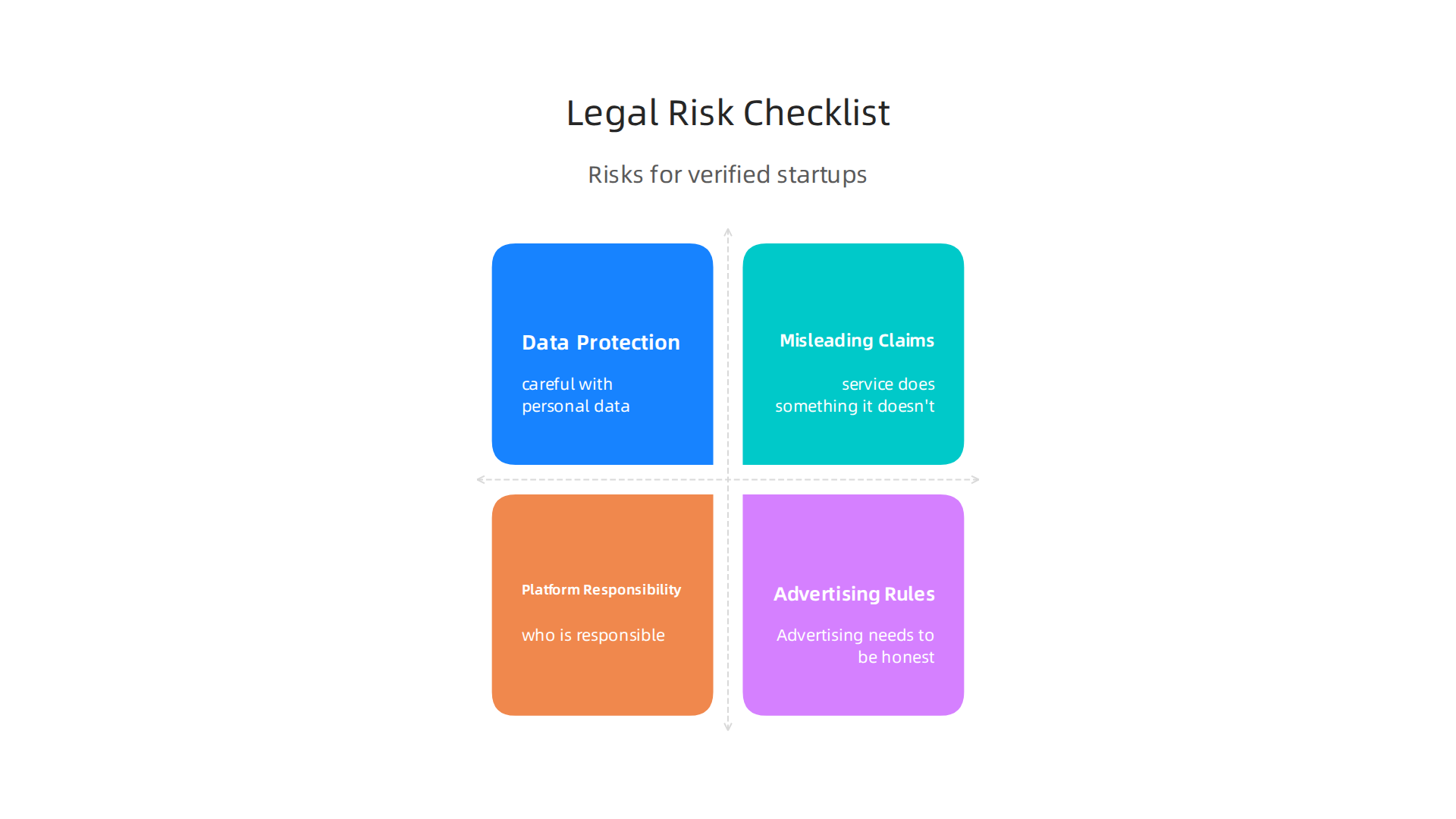
- Data Protection: What happens to customer information? Companies must be very careful with personal data, like names, addresses, or payment details. New laws in 2026 are making this even more strict. If a company like
LiveView Technologieshandles sensitive video data, they need top-notch data protection. Not protecting data well can lead to big fines and loss of trust. Also, many state laws in 2026 are not clear enough about how data should be stored or handled, making it harder to know who is truly responsible for protecting private information Cyber risk, privacy, and the legal complexities of age …. - Misleading Claims: A badge confirms a business is real, but it doesn’t check if all its product claims are true. If a startup says its service does something it doesn’t, that’s misrepresentation. This can cause legal trouble, even if they have a
meta verified for businessbadge. - Platform Responsibility: If a startup sells things through a big online store or platform, who is responsible if something goes wrong? Sometimes, the platform is seen as responsible for content from others on their site, but this can be tricky. Laws are still figuring out platform responsibility, especially regarding misleading content. The EU’s Digital Services Act and the US Communications Decency Act have different ideas about this, leading to complex legal views in 2026 A comparative analysis of the EU Digital Services Act and …. Also, some platforms might be held accountable for deception by their own design choices PLATFORM LIABILITY FOR PLATFORM MANIPULATION.
- Advertising Rules: How a business talks about itself and its products matters. Advertising needs to be honest and follow special rules. This is true for any company, whether it’s a
tech smartstartup or anOhio businessaiming forveteran business grants.
What Startups Must Do Before Relying on Verification
To truly be safe, startups need to do more than just get a badge. Here are important steps:
- Know Your Laws: Understand the privacy laws, advertising rules, and consumer protection laws where you do business. For example, if you collect customer data, you need to know how to store, keep, and get rid of it properly.
- Be Clear and Honest: Make sure all your claims about your products or services are accurate. Don’t promise things you can’t deliver.
- Get Legal Advice Early: It’s smart to talk to a lawyer about your business structure and what rules apply to you. This can save you big headaches later. For example, knowing about LLC Compliance 2026 can be very helpful.
- Keep Good Records: Have clear documents for everything: how you got your
meta verified for businessstatus, your business plans, and how you handle customer data. This helps if questions come up later. - Understand Platform Terms: If you use a platform, read their terms of service carefully. Know what you are responsible for and what the platform is responsible for.
Getting verified is a good step to show you’re a real business, but it’s just the start. You need to keep working to make sure your business follows all rules and avoids legal troubles. This means being very careful, especially in 2026 with new tech rules coming out often. Staying updated on Tech Policy 2026: How to Navigate AI Privacy, Cybersecurity, and Antitrust Changes is key for any growing business.
Want to stay in the loop on the latest AI and tech policy shifts? Get clear daily AI updates from The AI Newsletter Worth Reading.
Getting a verified badge, like Meta Verified for Business, is a smart move. But it’s not just about having the badge. It’s about how you use it to grow your business, build trust, and make sure you’re doing everything by the book. Think of it as a tool that, when used right, can help you get money from investors and win over customers.
Actionable playbook: how startups can use verification to strengthen fundraising and go-to-market
For startups in 2026, simply getting verified is only the first step. The real magic happens when you weave that verification into your core business activities. Here’s a simple guide on how to do it.
Show Investors You Are Real
Investors want to put their money into real, trustworthy businesses. This is where meta verified for business and other verifications become very useful.
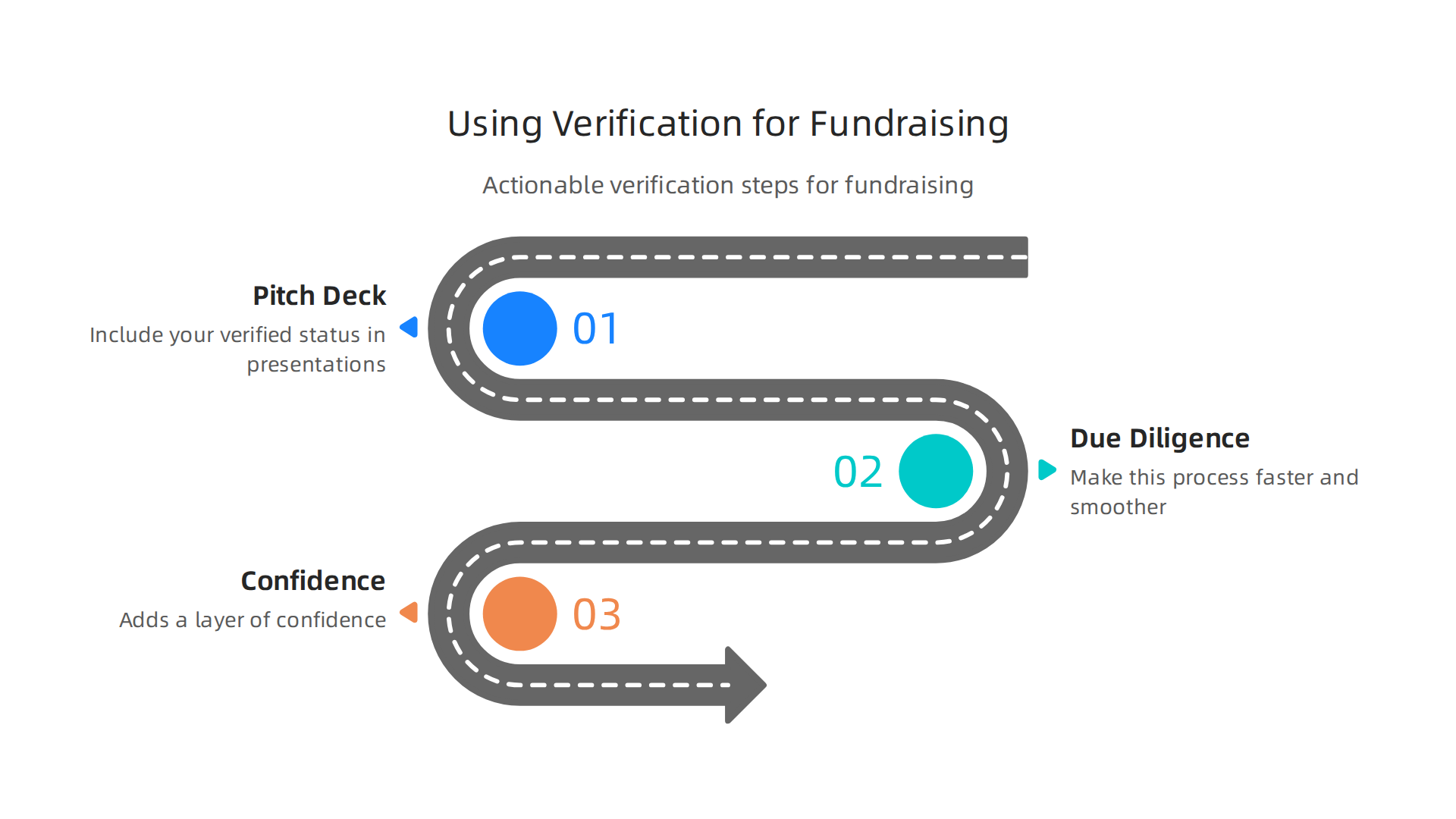
When you have a badge that says you’re a real business, it makes you look more solid during fundraising.
- Boost Your Pitch Deck: Include your verified status in your investor presentations. Explain what the verification means and why it’s important. It shows you’ve taken steps to be a legitimate company.
- Speed Up Due Diligence: When investors look closely at your company (this is called "due diligence"), they check everything. A verified status can make this process faster and smoother. It helps confirm your business is legally registered and operating Online Business Verification: Everything You Need to Know. Investors like to see this upfront, as it reduces their risk. They use tools to verify if a company really exists, as explained in a Startup Due Diligence: Checklists, Tools & AI Guide.
- Build Confidence: For a company like
LiveView Technologiesthat might deal with sensitive information or complex products, showing verification adds a layer of confidence. It tells investors that you are serious about your operations and legitimacy.
Win Over Customers and Build Trust
Customers also want to know they can trust the businesses they buy from. A verification badge is a quick sign of trust.
- Display Your Badge: Place your
meta verified for businessbadge prominently on your website, social media profiles, and any apps you might have. Make it easy for customers to see you are a real and trusted entity. - Use it in Marketing: Talk about your verified status in your ads and marketing messages. For a
tech smartstartup, highlighting this can set you apart from newer or less established competitors. It’s a simple way to say, "We are who we say we are." - Boost Engagement: When customers trust you, they are more likely to engage with your content, try your products, and tell others about you. This kind of social proof can be a big help for customer growth, especially for smaller companies or
ohio businessventures looking to expand their reach. You can learn more about what such verification offers in Meta Verified for Businesses: Everything You Need to Know.
Make it Part of Your Daily Business
Verification isn’t a one-time thing. You should make it part of how you run your business every day.
- Standard Operating Procedures: Create clear rules for your team on how to use and talk about your verified status. This makes sure everyone is on the same page.
- Compliance Checklists: Use your verification process as part of your larger compliance efforts. This means always checking that your business details are correct and up-to-date with the platforms that verified you. These checks help ensure your business meets important rules and helps you avoid future problems. For more on navigating business growth and funding, check out our guide on Small Business Week 2026 Maximize Growth With Funding Ai And Policy.
- Record Keeping: Keep good records of your verification process, including dates, approvals, and any documents you submitted. This is important if you ever need to prove your status or if a question comes up later. For businesses, especially those seeking specific support like
veteran business grants, having all ducks in a row for verification can be crucial. It’s also smart to think about your business structure. To understand more about how different legal structures can help you, read about Choosing the Right Business Structure Shield Assets Cut Taxes Grasp Dbas.
By using your meta verified for business badge in these smart ways, you can turn a simple verification into a powerful tool for your startup’s success in 2026 and beyond.
By using your meta verified for business badge in these smart ways, you can turn a simple verification into a powerful tool for your startup’s success in 2026 and beyond. But staying successful means keeping an eye on the rules.
Monitoring, advocacy, and preparing for policy change
Getting verified is great, but rules and how they are used can change. To keep your startup strong in 2026, you need to watch what’s happening in the world of policy and be ready for new changes.
This means looking at platform updates, new government rules, and how these rules are enforced.
Keep an Eye on Changing Rules
You must always be aware of new rules that affect how businesses like yours operate.
- Watch Platform Changes: Social media companies and other online platforms often update their rules for verification and business conduct. For a company that relies on a
meta verified for businessbadge, knowing these updates quickly is very important. Stay subscribed to their official news and blogs. - Track Government Regulations: Governments, both local and federal, can make new laws about how businesses handle data, interact with customers, or prove who they are. For example, there are rules around customer checks to prevent bad activities, which are called Customer Due Diligence (CDD) rules CDD Final Rule. These rules are always being updated. In 2026, it’s key to stay informed about these kinds of changes. You can use tools that track laws, like those that offer Best Policy Insights Software • February 2026.
- Understand Enforcement: It’s not just about knowing the rules; it’s also about knowing how they are put into action. Sometimes, a rule might be strict on paper but less so in practice, or vice versa. Monitoring how others are affected by new rules can help you prepare.
- Use Monitoring Tools: Luckily, there are tools to help. Many companies use special software to keep track of compliance and policy changes. These can help businesses, even a
tech smartstartup, to see what new rules are coming and how they might affect them. Some of the Top 12 Compliance Monitoring Tools in 2026 offer real-time updates and custom workflows to keep you audit-ready. This is especially vital for businesses likeLiveView Technologiesthat might have strict security needs. To better understand how to stay on top of all these changes, you might find our guide on Tech News Analysis for Policy Professionals useful.
Speak Up and Influence Policy
You don’t have to just sit back and watch rules change. Startups and investors can actually help shape future policies.
- Join Industry Groups: Many industries have groups where businesses come together to talk about shared issues. These groups often speak with lawmakers and platform owners to make sure business needs are heard. For an
ohio businesstrying to grow, being part of a local or national group can give you a louder voice. - Direct Engagement: Sometimes, companies can talk directly with the people who make the rules. This might be through official public comments on proposed laws or by meeting with policy makers. Sharing your company’s real-world experience can make a big difference. This applies to startups and big companies alike. Learning about how major tech firms influence policy can give you ideas on how to approach this yourself.
- Understand AI Policy: In 2026, AI is a big topic for new rules. Knowing about AI Literacy for Policy Professionals is very important as many verification processes and data handling rules are tied to AI.
Get Ready for What’s Next
Always be prepared for upcoming changes. This helps avoid surprises that could slow down your business.
- Plan for New Costs: New rules can sometimes mean new costs, like needing updated software or more staff to handle compliance. Plan for these possibilities in your budget.
- Seek Expert Advice: Don’t be afraid to ask for help from lawyers or consultants who specialize in tech policy. They can help you understand complex new rules and make sure your business stays compliant. This is especially true for businesses looking for special support, like
veteran business grants, where clear understanding of policy can be very helpful. - Stay Flexible: The world of technology and policy is always moving fast. Your startup should be flexible and ready to adapt quickly to new rules. This includes keeping your verification processes up-to-date and using your
meta verified for businessstatus wisely.
For professionals trying to keep up with these quick changes, having reliable information is key. Staying informed about the latest in artificial intelligence and policy can really help.
The AI Newsletter Worth Reading
Get clear daily AI updates from The AI Newsletter Worth Reading.
Summary
This article explains why platform verification (like Meta Verified for Business) has become more than a marketing badge in 2026: it now intersects with government rules, investor expectations, and data-protection obligations. It outlines the verification features platforms provide, how those features map to legal goals such as identity assurance and fraud prevention, and when verification matters most to investors and regulated industries. The piece also describes persistent legal risks—data protection, misleading claims, platform liability—and gives a practical playbook startups can follow to use verification in pitches, marketing, and compliance. Finally, it shows how to monitor policy changes, join industry advocacy, and prepare budgets and legal help so your startup can use verification as a tool rather than a shortcut to compliance.