

Why ‘tech data’ matters now: scope, stakes, and who needs this primer
What is tech data? Simply put, tech data refers to all the important facts, papers, pictures, or other details that show how a product, system, or process works. This includes things like measurements, sizes, and how well something performs, as explained by the Ontology of Personal Information.
Think of it as the blueprints and instruction manuals for everything modern and technological.
In 2026, understanding tech data is super important for many different kinds of teams. Policy teams need to know it to make good rules and laws about new technologies. Business teams rely on it to make smart choices, grow their companies, and stay safe from risks. Legal teams use tech data to make sure companies follow all the rules and avoid problems. It helps them all build a smart future.
But handling all this tech data is not easy. Many professionals face big challenges:
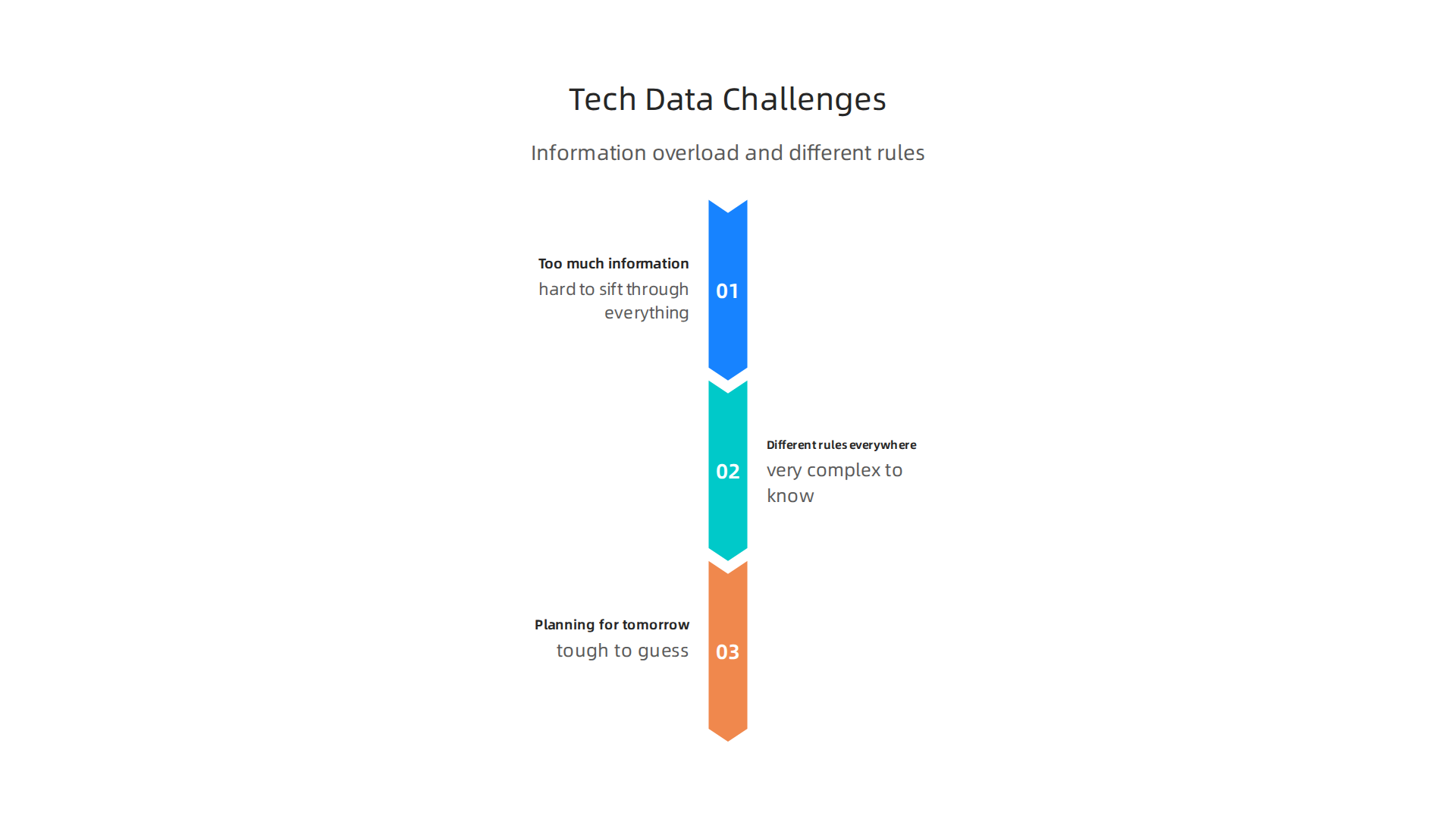
- Too much information: There’s so much
tech dataout there, it can feel like trying to drink from a firehose.

It is hard to sift through everything to find what really matters.
- Different rules everywhere: Different countries and places have their own laws for
tech data. This makes it very complex to know what is allowed and what is not, especially when working across borders. - Planning for tomorrow: It’s tough to guess how changes in technology and new rules will affect your business or work in the future. This needs careful thought and planning to avoid big problems down the road.
If you find yourself overwhelmed by the sheer volume of news and need clear, daily updates on the world of AI and technology policy, consider subscribing to The AI Newsletter Worth Reading. It helps make sense of these complex changes so you can stay ahead.
To handle these complex changes and build a smart future, it is key for everyone to speak the same language. That means understanding the basic words used when talking about tech data.

Different groups, like those who make policy, build technology, or handle legal matters, sometimes use the same words in slightly different ways. This can cause problems. Having clear definitions helps everyone work together better.
Here is a simple look at some important terms every policy person should know in 2026:
Key Tech Data Terms You Should Know
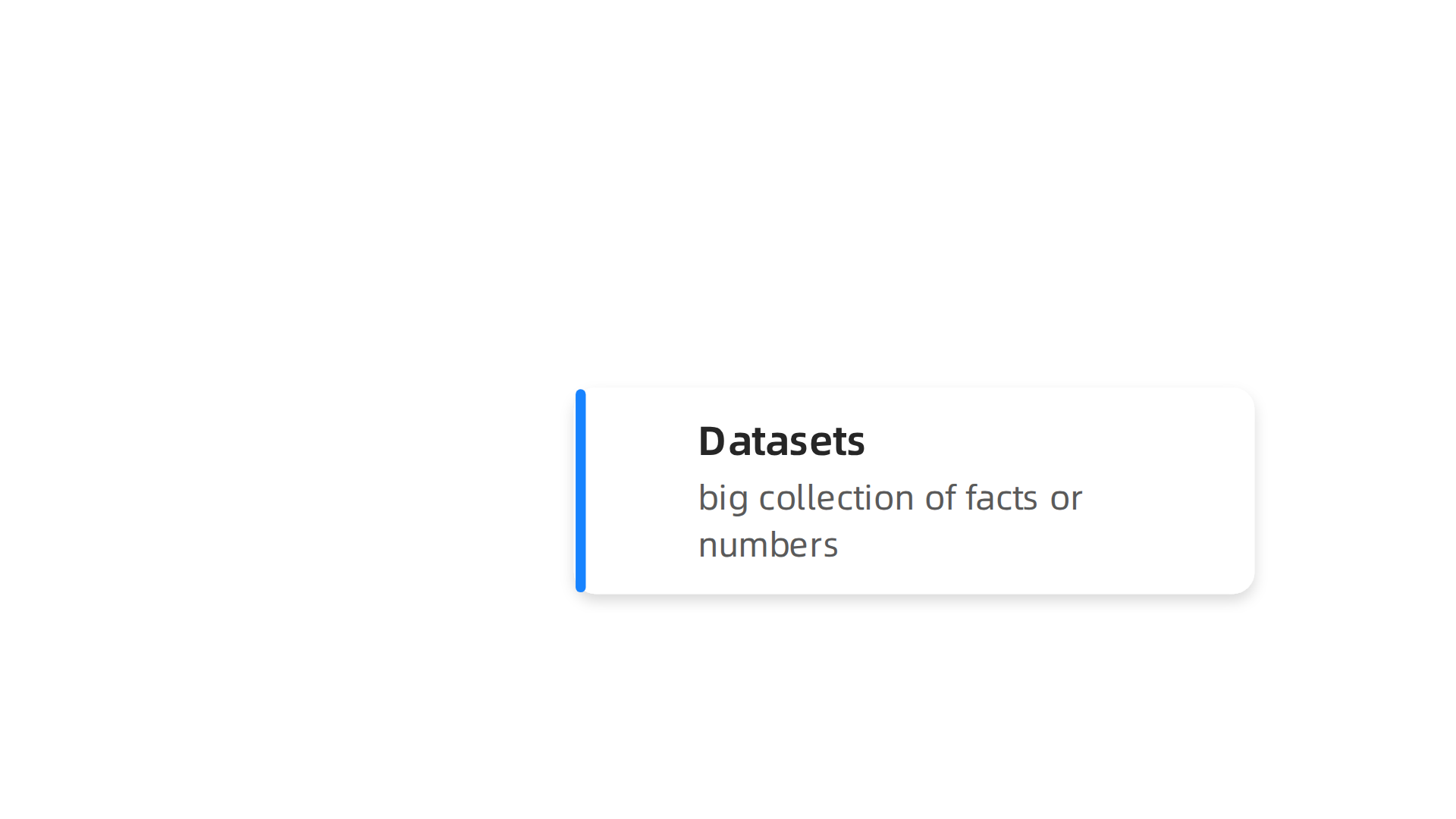
- Datasets: Think of a dataset as a big collection of facts or numbers. For example, a list of all the sales made last year, or all the photos taken by a self-driving car. These are organized so computers can easily use them. Understanding how to handle these collections is part of data management trends in 2026.

- Telemetry Data: This is information sent from faraway devices to a central point. Imagine a sensor on a machine sending updates about its temperature or speed. This kind of
tech datahelps people see how things are working in real-time. It is often used to track performance and spot issues early. - Synthetic Data: This is not real-world data, but rather data that computers make up. It looks and acts like real data but doesn’t come from actual events or people. Why use it? It is great for testing new software or training AI without using private or sensitive real information. This is a cool tech solution for privacy.
- Metadata: This is simply "data about data." It tells you important things about a piece of information, like who created it, when it was made, how big it is, or what it is about. For example, the metadata for a picture might include the date it was taken and what kind of camera was used. This helps in understanding and organizing vast amounts of
tech data. You can find more details in a glossary of official technical terms.
Why Consistent Definitions Matter
Words can mean different things to different people. For example, what an engineer calls "product data" might be very specific to how they build something. A legal team, however, might see "product data" more broadly, focusing on what rules apply to it, like export control terms. Policy teams need to understand these differences to write good laws that everyone can follow.
For a true smart future, everyone needs to agree on what common terms mean. When policies are made using clear definitions, it helps technology companies know what they need to do, and it helps legal teams ensure fairness and compliance. This shared understanding reduces confusion and helps move innovation forward responsibly. Policy professionals need to be tech savvy to bridge these gaps. In 2026, many places, like the University of Wisconsin, maintain a glossary of terms to ensure everyone is on the same page. This is especially true for complex areas like artificial intelligence terms.
Now that we understand what different words mean in the world of tech, let us look at how tech data actually moves around and is kept safe in different computer setups. Think of these setups as different kinds of roads and storage houses for information. In 2026, understanding these setups is very important for making good rules.
Technical architectures and data flows: how ‘tech data’ is created, moved, and stored
Every piece of tech data, whether it is a photo, a sales record, or a sensor reading, has a journey. This journey involves how it is made, sent from one place to another, and finally stored. The way this happens depends on the "architecture" or design of the computer system. Different designs are used for different reasons, like speed or privacy.
Here are some common ways data systems are built:
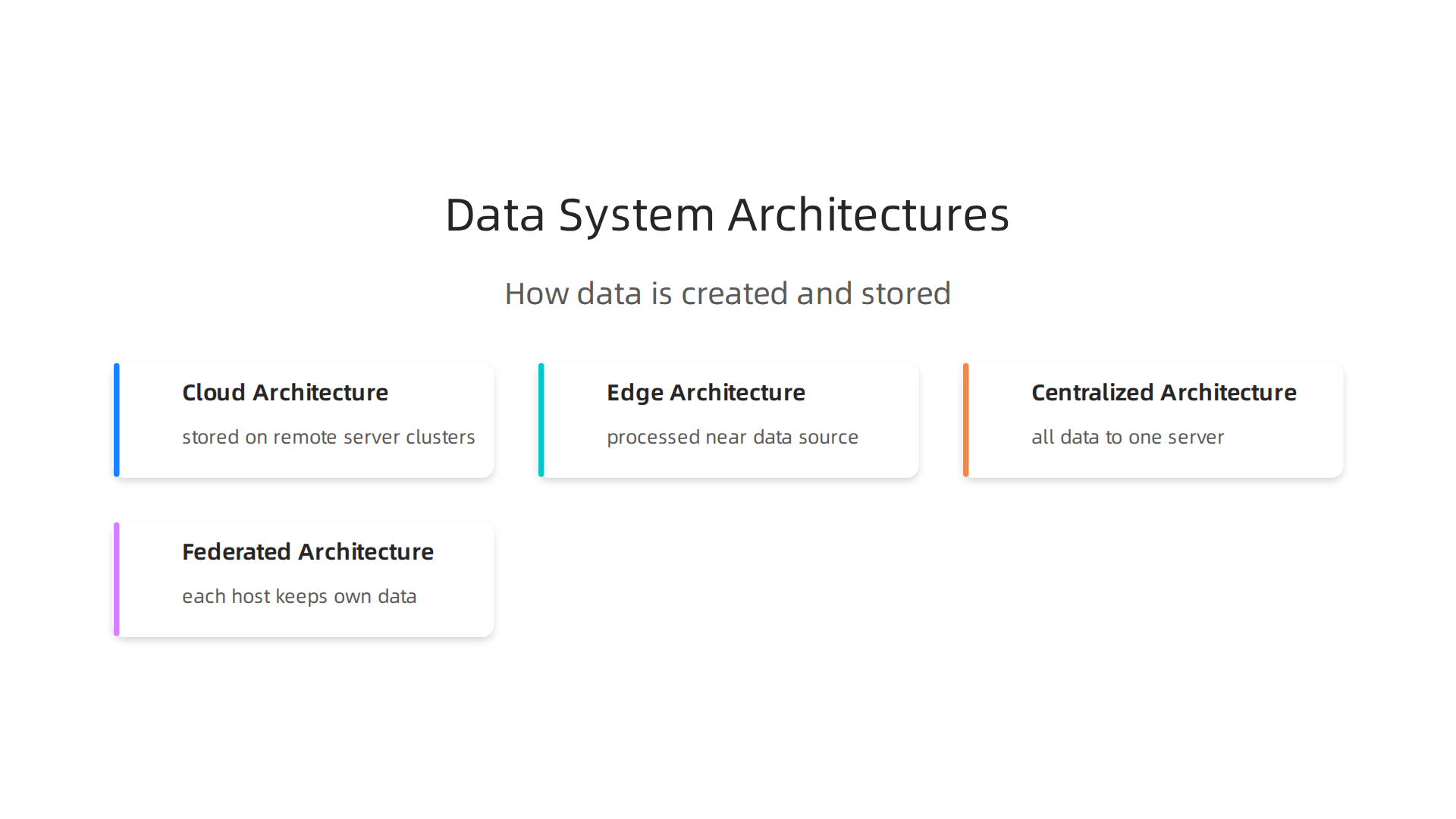
- Cloud Architecture: Imagine storing all your important papers in a giant, secure bank vault that you can access from anywhere with a key. That is like cloud architecture. Data is kept on large groups of servers over the internet, not on your local computer. This makes it easy to share and get to your data from different places. It is a big part of how many companies operate their digital services today.
- Edge Architecture: This is like having a small, smart office right where your work is happening. Instead of sending all data to a far-off cloud, data is processed very close to where it is created. For example, a smart camera on a factory floor might process video to spot problems right away, rather than sending all the video to a central cloud server. This makes things much faster and uses less internet traffic. Many
cool techsolutions use edge computing for quick decisions. - Centralized Architecture: This is like keeping all your files in one big cabinet in one room. All data flows to one main server or location. It is simple to manage because everything is in one spot. But if that one spot breaks down, everything stops working.
- Federated Architecture: Think of a group of smaller offices, each keeping their own files. Only shared ideas or trends are sent to a main hub, not the actual detailed files. This is good for privacy because the original
tech datastays where it was created, and only general information is shared. This setup is a growing trend, especially with new rules about data safety in 2026.
How Data Types Affect Flow and Storage
The kind of data also changes how it is handled.
- Structured vs. Unstructured Data:
- Structured data is like information in a neat spreadsheet, with clear rows and columns for names, dates, and numbers. Computers can easily sort and search this.
- Unstructured data is everything else: emails, videos, sound clips, and social media posts. This kind of data is much harder for computers to understand without special tools.
- Telemetry vs. User Data:
- Telemetry data is about how machines or systems are working. It might be the temperature of a server or the speed of a car. It helps track performance.
- User data is about people. It includes things like your name, what you click on a website, or your location. This kind of
tech dataoften has strong privacy rules around it, like those outlined in the Data Privacy, Cybersecurity, AI developments shaping 2026.
- Training Datasets vs. Validation/Test Sets: When building AI, you need a lot of data.
- Training datasets are used to teach the AI what to do.
- Validation and test sets are then used to check if the AI learned correctly and works well. The story of where this data comes from, also called its "provenance," is becoming very important. Knowing the source helps make sure AI is fair and reliable. You can read more about how to define frameworks for AI training data in the Data Ark: Defining Provenance Frameworks for AI Training Data.
Understanding these different ways tech data is handled is key for policymakers. As global tech systems become more connected, understanding these flows helps in Navigating Global Tech Systems Policy in 2026 and building a truly smart future where rules fit how technology actually works.
To keep up with the latest insights on how AI and technology policy are constantly changing, consider getting clear daily updates from The AI Newsletter Worth Reading.
To build a truly smart future where rules fit how technology actually works, we need to look at the main rules that guide tech data. These rules are called regulatory frameworks and legal categories. They help make sure that how data is made, moved, and stored is fair and safe for everyone.
Major Types of Rules for Tech Data
There are four big areas of rules for tech data:
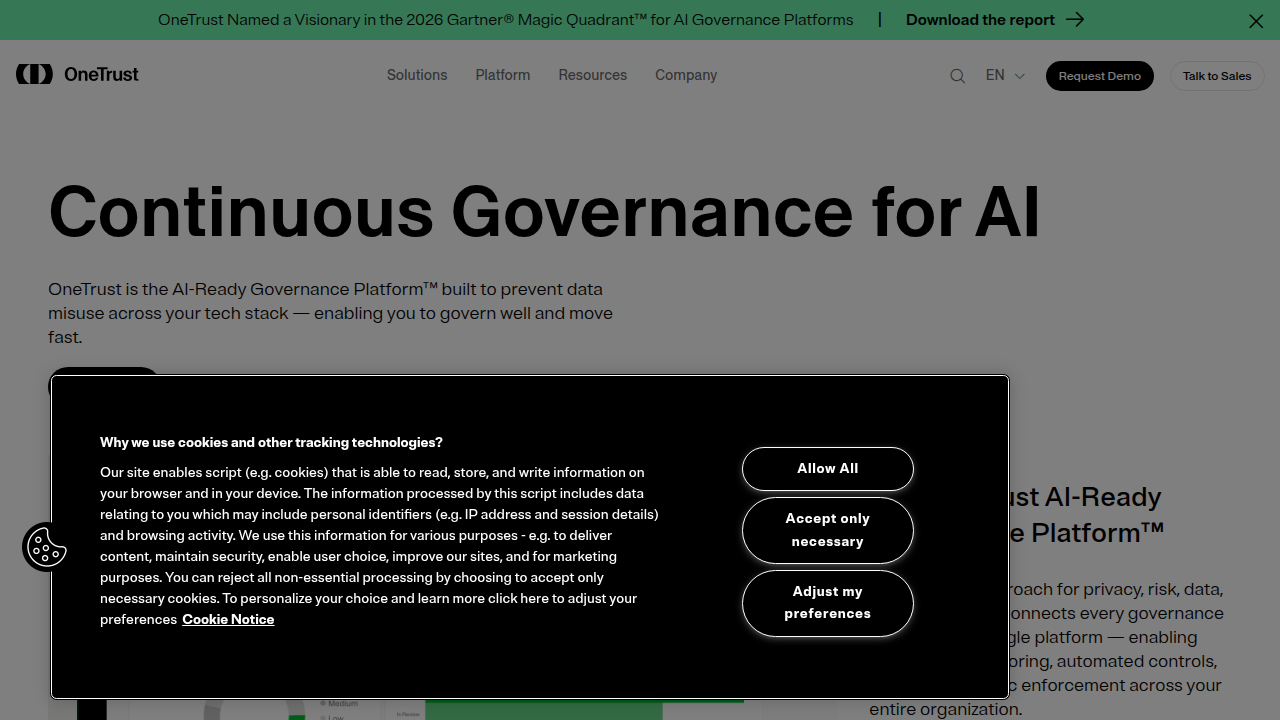
- Privacy Laws: These rules are all about protecting people’s personal information. This includes your name, where you live, and what you do online. In 2026, many new privacy laws have come into play across different countries, showing a global effort to protect individual data rights. These laws make sure companies ask for permission before using your data and keep it safe. For example, laws have been introduced to set strong standards for using data transparently and safely, as seen in the Global Trends in Privacy and Data Protection 2026 report.
- Cybersecurity Standards: These are rules for keeping
tech datasecure from hackers and other dangers. They tell companies how to build strong digital walls to protect information. Think of it like putting good locks on a house. Strong cybersecurity means fewer data breaches and keeps important information, like financial records or health data, safe. This area is seeing stronger rules, with 2026 marking new trends in enforcement. - Competition and Antitrust Laws: These rules stop big companies from becoming too powerful in the tech world. They make sure smaller businesses can still grow and compete. When it comes to
tech data, these laws prevent one company from having all the important data, which could stop new,cool techideas from being born. - AI-Specific Rules: With AI becoming a big part of our lives, there are new rules just for it. These rules help make sure AI is fair, open, and does not cause harm. The European Union, for example, has put into place the world’s first full set of laws for AI. Other places are watching closely and making their own rules too, as discussed in Where AI Regulation is Heading in 2026: A Global Outlook.
These rules are especially important for things like facial recognition or smart systems that make big decisions.
Why Rules Change Across Borders
Here is where it gets tricky: tech data often moves all around the world. But different countries have different rules for the same piece of data. This means a company might have to follow one rule in the US, another in Europe, and yet another in Asia for the same information.

For example, a picture taken in one country and stored in another might be subject to different privacy laws depending on where the person in the photo lives, or where the company is based. In 2026, many US states have new privacy rules, and countries like Vietnam and Australia are also making changes. This makes a lot of new rules to keep track of, as detailed in the Data Privacy AI Regulatory and Compliance Update 2026. It’s a huge task for companies to keep up and a big focus for Tech Savvy Policy Professionals Master AI Data and Cybersecurity. Understanding these different rules and how they work together is a key part of making good global tech policy. You can learn more about this challenge by exploring a Tech Policy 2026 Global Comparison of AI Regulations Across the US EU China and Beyond.
All these different rules can make things hard for businesses. They need to know how these changes will affect what they do every day and how they plan for the future. It is not just about understanding the rules, but also about putting them into action.
How to Understand and Handle Policy Changes
To help businesses deal with new rules for tech data, here is a simple way to think about it:
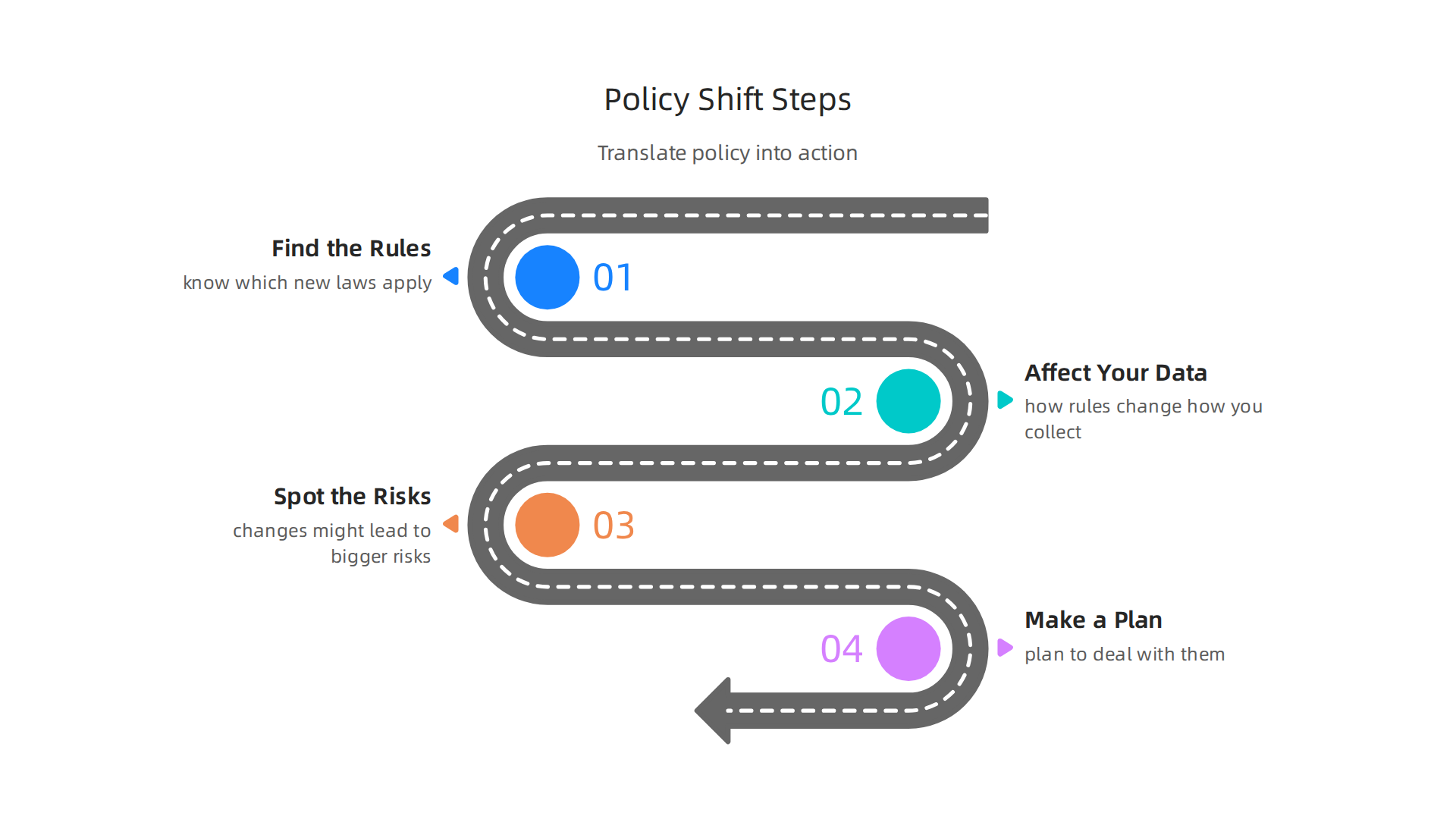
- Find the Rules That Matter: First, you need to know which new laws and policies apply to your business. This means looking at privacy laws, cybersecurity standards, and new rules for AI, especially if your
tech datacrosses borders. Many US states and other countries are bringing in new rules for privacy and AI governance in 2026, creating more things to track for companies, as highlighted in the Top 10 Privacy, AI & Cybersecurity Issues for 2026 report. - See How Rules Affect Your Data: Next, think about how these rules change the way you collect, use, store, and share
tech data. Does a new privacy law mean you need to ask customers for permission in a different way? Does a cybersecurity rule mean you need stronger protections? - Spot the Risks: Some changes might lead to bigger risks, like fines or losing trust from customers. It is important to figure out how likely these risks are and how much harm they could cause. Understanding the new developments in data privacy, cybersecurity, and AI in 2026 can help businesses shape their strategies to avoid problems.
- Make a Plan: Once you know the risks, you can make a plan to deal with them. This might mean changing how your team works or updating your technology. For more help with big picture thinking, you can explore how to navigate global tech systems policy in 2026.
Changes Companies May Need to Make
Keeping up with tech data rules often means making real changes in how a company runs. Here are some examples:
- How Data is Handled: Companies might need to change where they store data, especially if it belongs to people in different countries. They might also need better ways to track who can see and use certain data. This is key for ensuring a smart future.
- Who is in Charge of Data Rules: Businesses might need to give a specific person or team the job of making sure all data rules are followed. This also includes training all employees on new policies, ensuring everyone knows how to keep
tech datasafe. For businesses that use a lot of AI, it is important to understand enforcement and regulatory trends in cybersecurity and privacy. - Designing Products: When making new products, especially
cool techthat uses AI or lots of personal data, companies must now build in privacy and security from the very start. This is often called "privacy by design" and means thinking about data protection before problems even come up. This proactive approach is especially important given the Cybersecurity & Privacy 2026 enforcement and regulatory trends in 2026.
Staying informed about these fast-moving changes is crucial for any business. To get clear daily AI updates directly to your inbox, consider subscribing to The AI Newsletter Worth Reading.
Beyond just staying informed, businesses need strong rules for how they handle their tech data every day. This is called data governance. It is about making sure that all information is used correctly, safely, and in a way that follows the law. For tech companies, especially those dealing with cool tech like AI, having clear data governance is more important than ever in 2026. It helps them meet policy requirements and build trust.
A good data governance plan for tech firms has many parts. It includes setting up controls, which means deciding who can look at specific tech data, how they can use it, and for how long. It also involves having clear rules about data quality. This means making sure the data is correct and helpful. In 2026, many companies are updating their plans to include AI governance as a top priority. This ensures their use of AI aligns with new program requirements and laws like the EU AI Act, which are some of the Enterprise Data Governance Priorities for 2026.
To make sure these rules are followed, companies need to do regular checks, or "audits." Audits look at how tech data is being handled and if it meets all the set standards and legal requirements. Keeping an inventory of all data is also key. This means knowing exactly what data a company has, where it is stored, and what it is used for. This helps show that a business is serious about protecting information, especially with the many data governance trends for 2026 that focus on transparency. Proper record-keeping is another important part. It means keeping detailed notes of all data activities, such as when data was collected, who accessed it, and how it was changed. This makes it easier to show regulators that the company is following the rules. For complex AI systems, a rigorous artificial intelligence review for policy compliance is often a necessary step.
Finally, accountability models make sure that specific people or teams are responsible for different parts of data governance. This means someone is always in charge of making sure data is kept safe and used properly. If something goes wrong, it is clear who needs to address the issue. This makes the whole process stronger and helps companies stay out of trouble. In fact, understanding the role of something like a Common Data Matrix has become a key part of good data governance in 2026, as it helps connect data definitions, production, and use to accountability across an organization, according to The State of Data Governance in 2026. By putting these practices into place, businesses can create a more secure and compliant environment for their tech data, ensuring a truly smart future.
Measuring and Benchmarking: Metrics, Datasets, and Surveys that Matter to Policy Analysis
After putting good data rules in place, how do we know they are actually working? This is where measuring and benchmarking come in. It means looking at special numbers and facts to see if a company’s handling of tech data is truly effective. Policymakers and people who invest money watch these numbers closely in 2026.
Here are some important things they look at:
- Data Access Metrics: These show who can look at specific
tech dataand how often. Are too many people seeing private information, or are the right people getting access easily? - Incident Rates: This measures how often bad things happen to data, like security problems or data being used wrong. Lower rates mean better data handling.
- Adoption Metrics: This tells us if people in the company are actually using the new data tools and following the new rules. If not, the best rules won’t help much.
These numbers help show if a company is handling its information wisely, especially with all the cool tech and new ideas that use a lot of data today. It’s a way to check if businesses are ready for the top 10 technology trends and building a truly smart future.
Checking How Good Your Data Is
When policymakers make big decisions, they use lots of tech data. But they need to be sure this data is good and trustworthy. This means checking two things: credibility and provenance.
- Credibility means that the data is true and correct. Is it fair? Does it really show what it claims to show?
- Provenance means knowing the full story of the data. Think of it like a family tree for information. Where did it come from? Who collected it? How was it changed along the way? Where has it been stored?
This is super important, especially for AI systems. If the data used to train AI has problems, the AI will also have problems. For instance, sometimes bad data can make an AI unfair or inaccurate. To make good policy, you need good data.
Many researchers are working on ways to track this data story. For example, projects like the MIT Media Lab on Data Provenance for AI are creating tools that let people trace where AI training data comes from. This is like looking at the ingredients list on a food package; you need to know what’s in your tech data and where it came from to truly trust it. New ideas are also being explored to define provenance frameworks for AI training data to ensure better quality. Making sure data is real and that people agreed for it to be used helps to fix issues with data authenticity and consent. It’s all about making sure that the information used for important decisions is solid.
Being able to understand and work with these kinds of details is a key skill for anyone in policy today. Knowing how to find and use good data helps tech savvy policy professionals master AI data and cybersecurity in 2026.
Staying informed about the newest ways to measure data and ensure its quality is crucial in our fast-changing world.
Get clear daily AI updates from The Deep View Newsletter. The AI Newsletter Worth Reading
Looking ahead: emerging terminology, likely regulatory moves, and strategy for staying current
Since staying on top of data quality is so important, it’s also smart to look ahead. The world of tech data changes quickly. New ideas and rules are always popping up. For anyone dealing with policy, it’s key to know what’s coming next so you can be ready.
Here are some new ideas and rules you should watch out for:
- Data Trusts: Imagine a group of people or a special organization that holds
tech datafor others. They manage it safely and make sure it’s used fairly, often for the good of a community. These "data trusts" could become a big way to handle shared information in the future. - Synthetic Data Regulation: Sometimes, people make "fake" data that looks like real data but doesn’t have any real person’s private details. This "synthetic data" is useful for testing new ideas or AI. But even fake data might need rules to ensure it’s made fairly and doesn’t cause problems.
- Model Provenance: We talked about knowing where data comes from. Well, "model provenance" is like that, but for AI. It means knowing the full story of an AI model: what data it learned from, who built it, and how it changed over time. This helps us trust what the AI does.
These new concepts are part of the broader top data governance trends for 2026 and show how we are building a more smart future.
What New Rules Are Coming?
Governments around the world are thinking hard about how to make rules for cool tech, especially AI. In 2026, we are seeing more rules being put in place. For example, laws like the EU AI Act are now being put into action, which means companies need to be very careful about how they use AI. This includes making sure AI agents and systems are safe and follow the rules Data Governance Trends 2026: Practitioner View. Regulators are moving from talking about future problems to actually making rules for risks that are happening right now Tech Policy Unit Horizon Scanner – March 2026.
These new rules often focus on:
- AI Governance: How companies manage AI systems so they are fair, safe, and explainable.
- Data Privacy: Protecting people’s private information, especially with new kinds of
tech datatools. - Cybersecurity: Keeping data and systems safe from bad actors.
Many experts agree that successful groups in 2026 are changing their rules to be "Agent-Ready," meaning they are ready for AI to do more tasks on its own Top 12 Data Governance predictions for 2026.
How to Stay Current Without Feeling Overwhelmed
It can feel like a lot to keep up with. But there are good ways to stay informed without getting swamped.
- Follow Trusted Sources: Read special news sites and reports that focus on
tech datapolicy. - Attend Webinars: Many groups offer free online talks about new trends and rules.
- Connect with Others: Talk to other people who work in policy and
cool tech. They often share useful information. - Learn About AI: Understanding the basics of AI will help you make sense of new rules. If you want to dive deeper, check out this guide on AI literacy for policy professionals.
By doing these things, you can make sure you’re always ready for what’s next in the fast-moving world of tech data and policy.
Summary
This article explains what