

Introduction: Why LLCs Must Master the New Regulatory Terrain
Picture this: You run a small business as a limited liability company. You have been careful with your paperwork, paid your taxes on time, and kept your personal assets separate. Then 2026 hits with a pile of new rules that seem to come from every direction.

That is exactly where many LLC owners find themselves right now. The business world in 2026 is not what it was even two years ago. New rules on artificial intelligence, data privacy, antitrust enforcement, and state level business laws are changing how limited liability company owners must operate. And these changes affect everything from how you report your company’s ownership to how you handle real estate deals.
Why should you care? Because the limited liability company structure is flexible. That is one of its biggest strengths. But flexibility also means LLCs come in all shapes and sizes. A single member freelancer faces different challenges than a multi member LLC with 50 employees. And the new rules do not treat everyone the same. Missing a deadline or misunderstanding a requirement can cost you money, time, or even your company’s good standing.
For example, some of the most successful businesses in the LLC world are now dealing with compliance tasks that did not exist a few years ago. The government has introduced new reporting requirements for certain cash real estate deals involving LLCs. State laws are adding new layers of paperwork. And federal rules around beneficial ownership keep shifting. It is a lot to track.
The good news is that you do not have to figure this out alone. This guide gives you a clear, evidence based roadmap for staying compliant and protecting your business. We cover the biggest changes in 2026 and show you exactly what steps to take.
If you want to keep your finger on the pulse of all these changes, staying informed is your best weapon. That is why we recommend reading The AI Newsletter Worth Reading.

It delivers clear daily updates on tech policy and regulatory shifts that affect your business.
Ready to dig into the details? Let us start by looking at the most important changes you need to know about in 2026. The landscape is shifting fast, and knowing where to look first makes all the difference.
The 2026 Regulatory Overhaul: What Every LLC Must Know
The first thing to understand about 2026 is that the rules are not coming from just one place. They are hitting your limited liability company from multiple directions at once.
Federal and state regulators are introducing new requirements on data privacy, artificial intelligence, and digital markets all at the same time.
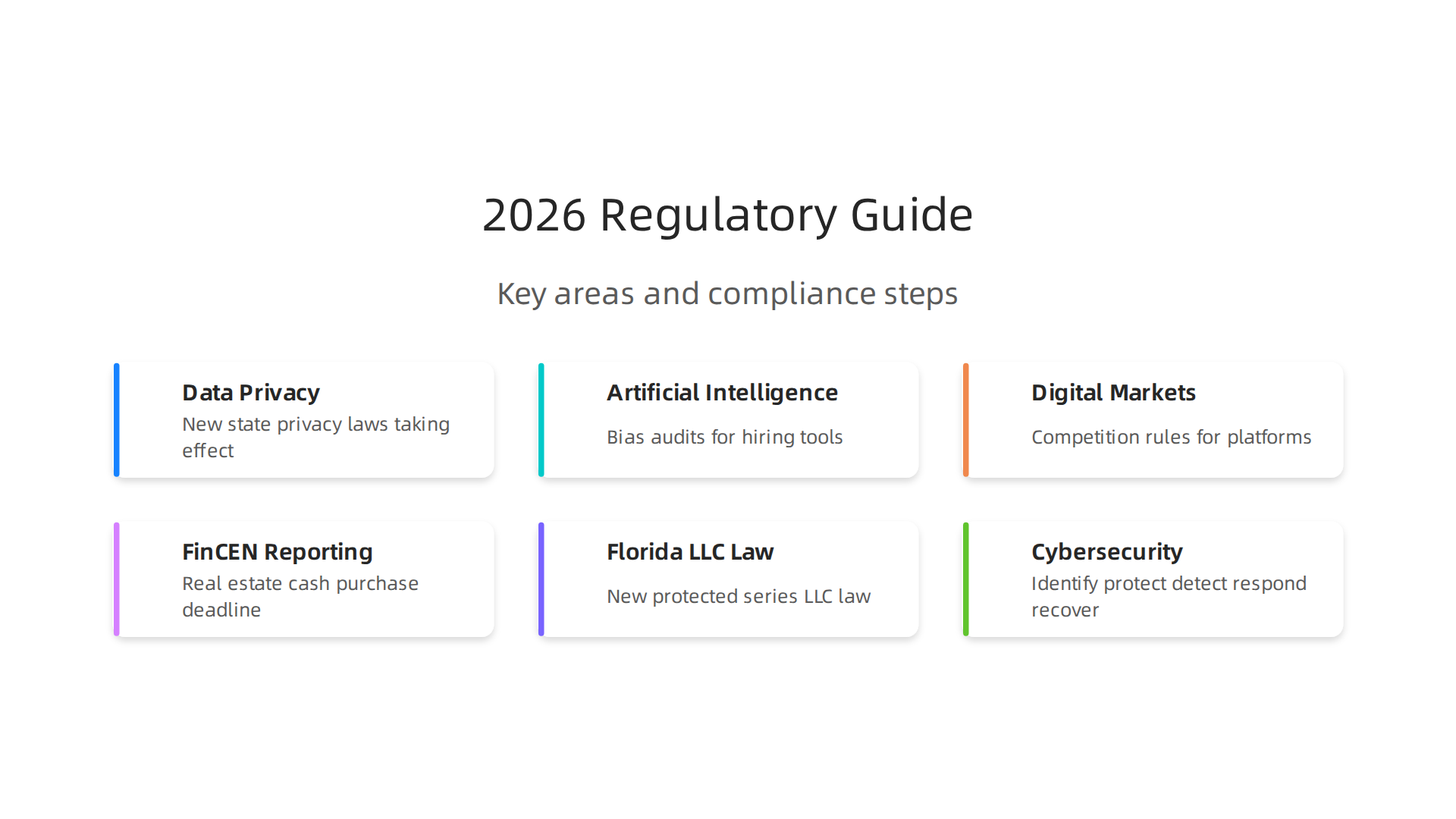
For example, several states like Indiana, Kentucky, and Rhode Island are joining the privacy law club this year. And hiring tools that use AI may soon need bias audits in certain cities. These overlapping obligations mean that a single compliance mistake can trigger problems with more than one agency. To stay on top of it all, you need to understand how privacy, AI, and market competition rules interact with your daily operations. Check out our guide on how to navigate AI, privacy, cybersecurity, and antitrust changes to see how these threads connect.
At the same time, enforcement from the SEC and FTC is ramping up. They are not just going after big corporations anymore. Small and mid-size LLCs are in the spotlight too. The government is checking whether companies are following the rules on everything from marketing claims to financial reporting. Proactive compliance is no longer optional.
That is why the regulatory calendar matters more than ever. Key dates in 2026 include the March 1 deadline for new FinCEN real estate reporting on certain all-cash property purchases involving LLCs. And Florida’s new protected series LLC law takes effect July 1, which opens up new structuring options. Missing these dates can cost you late fees or even lead to administrative dissolution. As highlighted in recent coverage of New Laws & Regulations for Small Business Owners in 2026, the current environment demands that LLC owners know exactly what is on the horizon.
Here is the bottom line: if you understand the timing of these changes and how they overlap, you can plan ahead and keep your limited liability company in good standing. The business world is not slowing down, and neither can you.
AI Governance: Compliance Pathways for LLCs in 2026
Here is where things get extra tricky for your limited liability company. AI rules are not just a tech problem anymore. They are a legal and compliance problem that affects how you hire, how you sell, and even how you build products.
The business world is now split between two major AI rulebooks. The EU AI Act is fully enforceable starting August 2026 for high-risk systems. And at the same time, several US states are rolling out their own AI laws. Colorado’s AI Act already requires risk assessments for AI used in hiring and other high-stakes decisions. New York City’s Local Law 144 demands bias audits for AI hiring tools. This patchwork means your limited liability company cannot rely on a single compliance playbook anymore.
If your limited liability company uses AI to screen job applicants, approve loans, or recommend medical treatments, you are sitting in the high-risk zone. That means you need documented risk management, human oversight, and transparency disclosures. The EU AI Act has extraterritorial reach, so any US business whose AI touches European users is in scope. As one compliance guide explains, EU AI Act 2026 compliance for US businesses is now a must if you serve European customers or use AI in regulated functions.
The same guide notes that fines can reach up to €35 million or 7% of global annual turnover for violations of prohibited practices. That is a scary number for any limited liability company, no matter your size.
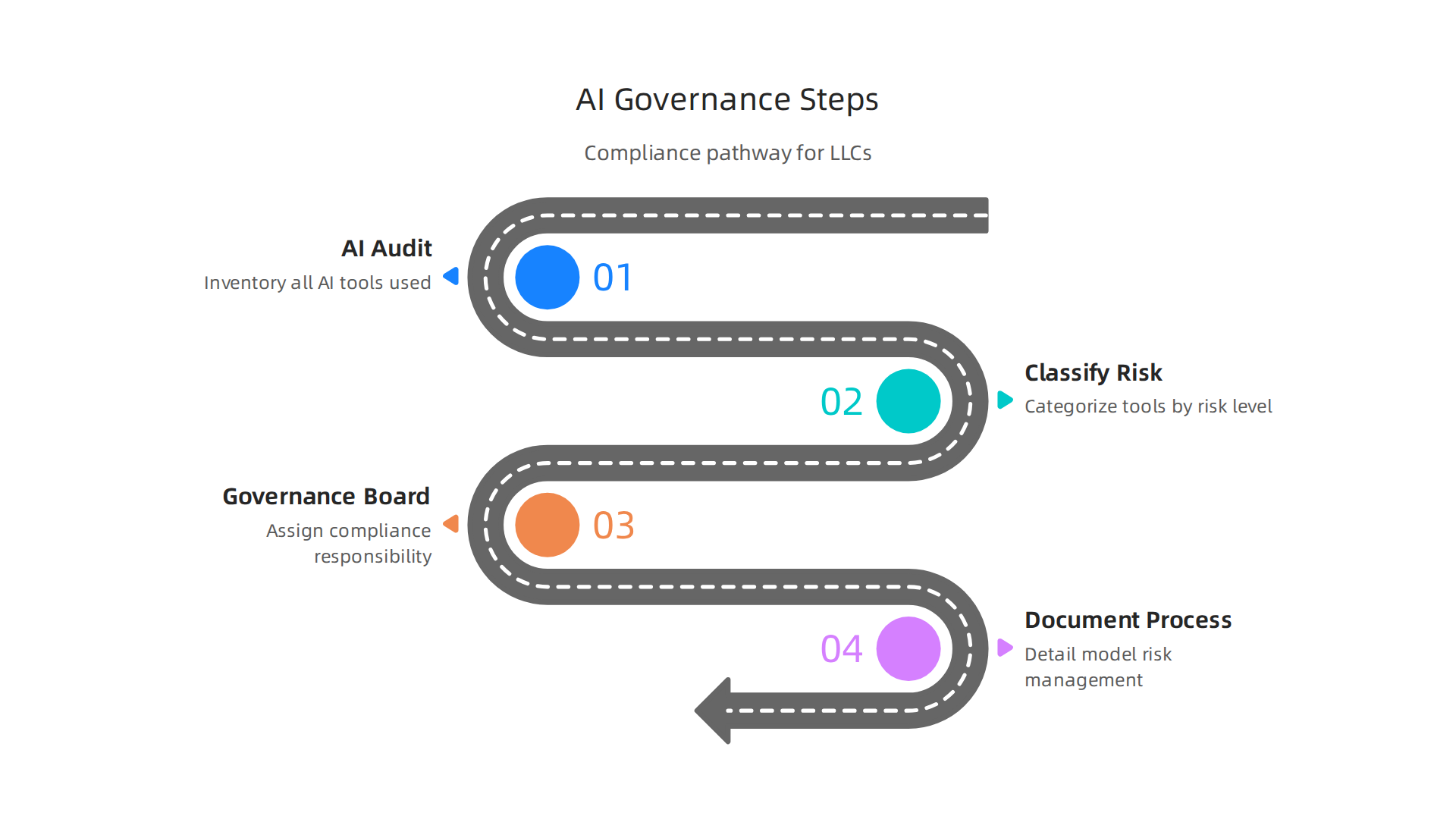
So what can you do right now? Start with an AI audit. Inventory every tool your business uses that relies on artificial intelligence. Classify each one by risk level. Then set up a simple governance board with at least one person responsible for compliance documentation. Document your model risk management process, including how you test for bias and accuracy.
For a full view of how the EU and US frameworks compare, check out this global comparison of AI regulations across the US, EU, China, and beyond. It will help you see the whole picture and plan accordingly.
The most successful businesses in 2026 are the ones treating AI governance as a priority, not an afterthought. If you want to stay ahead of these changes without spending hours digging through policy documents, subscribe to The AI Newsletter Worth Reading for daily updates on AI regulation and governance.
Data Privacy & Cybersecurity: Protecting Your LLC and Its Customers
AI governance is not the only legal puzzle your limited liability company needs to solve in 2026. Data privacy and cybersecurity laws are just as urgent. If you collect customer names, email addresses, payment details, or browsing data, you are probably already in scope for one or more regulations.
Let’s start with data privacy. The European Union’s General Data Protection Regulation (GDPR) applies to any business that handles data from EU residents, even if you have no office there. In the United States, California’s CCPA and CPRA are the strongest state laws, but they are not alone. Colorado, Virginia, Connecticut, and Utah all have active privacy laws. More states are passing their own every year. These laws share common rules: you must tell people what data you collect, get their consent when required, and only keep data as long as you need it. If your limited liability company sells customer data or uses it for targeted ads, you need a documented process for handling opt-out requests.
Now add cybersecurity to the mix. The U.S. Securities and Exchange Commission (SEC) now requires publicly traded companies to report material cybersecurity incidents within four business days. But even if your limited liability company is private, state breach notification laws apply. Every state has one, and they require you to notify affected individuals and sometimes regulators when a data breach happens. That means you need an incident response plan before something goes wrong. If you want a full look at how privacy, cybersecurity, and AI rules overlap, check out this guide on how to navigate privacy and cybersecurity changes.
The good news is you do not need a giant compliance team to get started. The National Institute of Standards and Technology (NIST) Cybersecurity Framework is free and built for organizations of all sizes. It walks you through five steps: identify, protect, detect, respond, and recover.
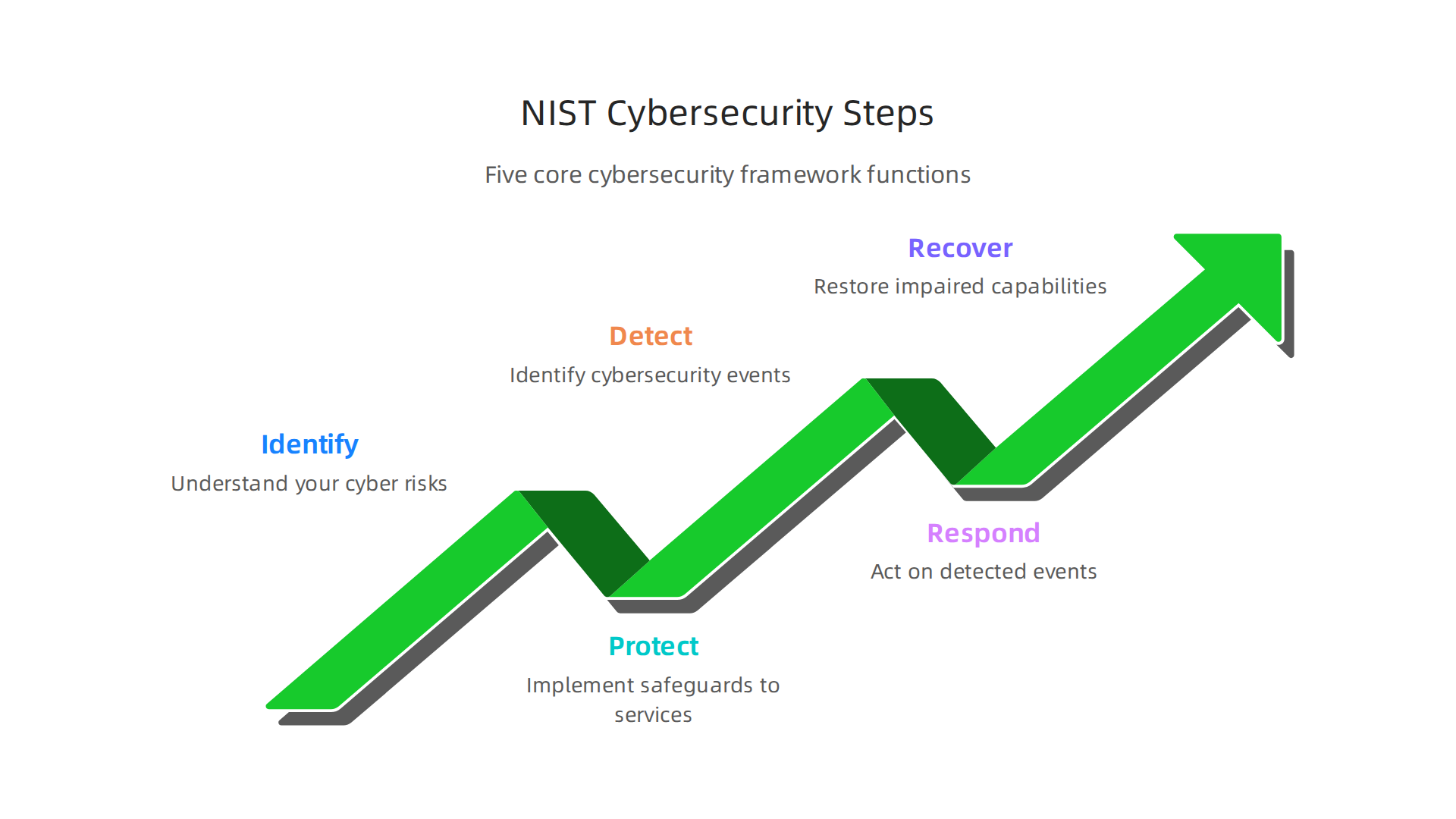
Many small and mid sized limited liability companies use it to create a security program without breaking the bank. Start with a simple data map. Know where your customer data lives, who has access to it, and how it is protected. Then set basic safeguards like multi factor authentication, encryption, and regular software updates.
Protecting your customers’ data is not just about avoiding fines. It is about trust. The most successful businesses in 2026 are the ones customers feel safe giving their information to.

A strong privacy and cybersecurity program keeps you compliant and builds loyalty at the same time.
Antitrust & Competition Law: Navigating New Frontiers for LLCs
Data privacy keeps your customer data safe. Antitrust law keeps your market fair. And in 2026, the rules around competition are changing fast. If you run a limited liability company that plans to buy a business, partner with others, or use non-compete clauses, you need to pay attention.
The Federal Trade Commission (FTC) and the Department of Justice (DOJ) have adopted stricter merger guidelines. These guidelines affect how your limited liability company can acquire another company or combine with a competitor. Under the new rules, a merger can be challenged even if it does not create a monopoly outright. The agencies now look at whether a deal could weaken competition in a broader sense. For example, they focus on deals that might reduce options for workers or harm smaller rivals. The 2023 draft merger guidelines lowered the market share thresholds that trigger a closer review. That means even a mid-sized limited liability company buying a smaller competitor could face extra scrutiny. You can read more about the full list of guidelines in the official FTC and DOJ draft merger guidelines.
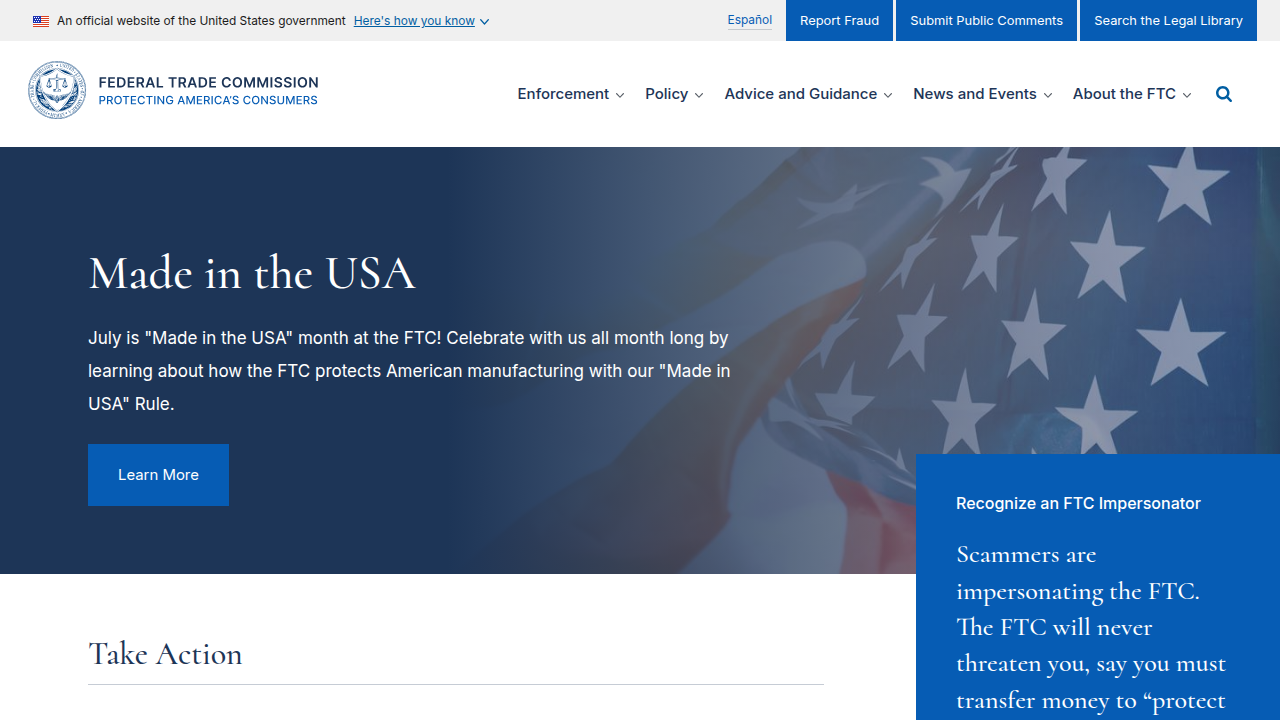
Private antitrust lawsuits are also on the rise. Competitors and customers are suing more often, especially in platform-based and data-intensive markets. If your limited liability company operates a marketplace, app, or service that collects user data, you could be a target. Even standard business practices like setting industry standards or using non-compete agreements can trigger a lawsuit.
So what should you do? Start by adding antitrust risk assessment to your compliance routine. Look at any non-compete clauses your company uses. The FTC has taken a strong stance against many non-competes, arguing they limit worker freedom and reduce competition. You should also review any agreements where your company shares information with competitors, even in trade associations. A careful review now can save you from expensive litigation later.
For a deeper look at how competition law fits into the bigger regulatory picture, check out this guide to major regulatory shifts. And to stay ahead of all the fast-moving changes in tech policy, including antitrust updates, try The AI Newsletter Worth Reading. It delivers clear daily insights that help you make smarter decisions for your limited liability company.
International Regulations: How Global Policies Affect U.S. LLCs
Okay, so we have talked about competition law inside the United States. But here is the thing. Your limited liability company may never set foot outside the country and still need to follow foreign rules. That is the reality of doing business in 2026.

The European Union has passed laws that reach far beyond its borders. The Digital Markets Act and the General Data Protection Regulation (GDPR) apply to any company that sells goods or services to EU customers. If your limited liability company has a website that collects data from someone in Germany or France, you are on the hook. The same goes for the EU AI Act, which regulates how artificial intelligence systems are built and deployed. These laws come with fines that can reach into the millions.
China has its own set of rules too. The Personal Information Protection Law (PIPL) and the Data Security Law control how foreign companies handle data from Chinese users. These laws require companies to store certain data inside China and get approval before moving it out. For a limited liability company with a global supply chain, this creates real hurdles.
Cross-border data transfers have become one of the trickiest parts of running an international business. The EU-US Data Privacy Framework was designed to make it easier for American companies to send data to Europe. But the framework has faced legal challenges, and its future is not completely certain. Some companies are moving toward a model called data localization, where they keep data in the country where it is collected. That means building or renting servers in multiple countries.
For the most successful businesses in 2026, compliance is not just a cost. It is a business essential. Companies that invest in understanding international rules early can avoid expensive fines and keep their operations running smoothly. If your limited liability company has customers or partners in Europe, China, or other major markets, you need a plan that covers each jurisdiction separately.
A good place to start is learning how other countries approach regulation. This global comparison of AI regulations across the US, EU, China, and beyond can help you understand the differences. The business world is more connected than ever, and what happens in Brussels or Beijing can affect your limited liability company just as much as what happens in Washington.
State-Level Regulations: The Patchwork Challenge for LLCs
If international rules felt complex, wait until you look inside the United States. While the federal government has not passed a single comprehensive AI law, states have been racing to fill the gap. In 2026, state lawmakers in 45 states have introduced over 1,500 AI-related bills, already more than all of 2024 combined. This state-level patchwork creates a real compliance challenge for any limited liability company that does business across multiple states.
A wave of state AI laws took effect on January 1, 2026. California led the way with its Transparency in Frontier AI Act. Texas also started enforcing the Responsible AI Governance Act. The Colorado AI Act follows on June 30, 2026, requiring companies to conduct impact assessments for high-risk AI systems. These laws cover everything from algorithmic discrimination and training data transparency to deepfakes and chatbots for minors. You can see the full list in this detailed overview of 2026 state AI laws from Baker Botts.
For a limited liability company operating in several states, the rules change from one border to the next. A customer-facing chatbot that works fine in California might need a whole different setup in Colorado. Your data practices for AI training could be legal in Texas but illegal in Connecticut. This means tracking legislative activity in every state where you do business. And that is not easy.
A good starting point is learning from companies already dealing with this. Read this guide for AI development companies on navigating regulation and opportunity in 2026 to see how others manage.
Staying on top of every new state law is a full-time job. That is why many policy professionals rely on The AI Newsletter Worth Reading for daily updates. It cuts through the noise so you can focus on running your business.
The bottom line? Your limited liability company needs an adaptive compliance system. You cannot just set it and forget it. With new state laws starting every few months, you need a plan that updates constantly.
Risk Management & Strategic Compliance for LLCs
So, how do you build a compliance system that actually keeps up? The most successful limited liability companies in 2026 treat compliance not as a burden, but as a competitive advantage. A proactive compliance program reduces legal risk and builds trust with investors and customers. It shows you are serious about operating responsibly in the AI era.
A good compliance plan has a few key parts. First, you need ongoing regulatory monitoring. The rules change fast. A tool like the state AI governance legislation tracker from IAPP can help you stay on top of new bills across all 50 states.

Second, create internal policies that match the laws in every state where you work. Train your employees on what they can and cannot do with AI. Run regular audits to catch problems early. And have an incident response plan ready in case something goes wrong. For a deep dive on conducting thorough checks, check out this guide on rigorous AI review for policy compliance.
Third, do not forget about third-party risk. If you use vendors or partners for AI tools, you need to vet them for compliance too. Regulators are looking closely at the whole supply chain. A vendor with weak compliance can drag your business into a legal mess.
Building this kind of system takes work. But it pays off. An LLC that can show clear compliance processes will stand out as a reliable partner in a crowded business world. It turns a regulatory headache into a reason for customers to say yes.
When you have a solid compliance plan, you also make it easier to scale. Expanding into a new state is less scary because you already have a process for checking local rules. And if a new law passes, you update your playbook instead of starting from scratch. The LLCs that invest in compliance today will be the ones leading tomorrow. It is not just about avoiding fines. It is about building a business that can adapt to anything.
Future Trends: Preparing Your LLC for 2027 and Beyond
The compliance landscape in 2026 is already complex. But here is what keeps limited liability company owners up at night: the rules keep changing, and they are changing faster than ever.
Looking ahead to 2027, several big policy trends are taking shape. Federal AI legislation is still stalled in Congress as of early 2026, but that will not last forever. The White House released a national policy framework for AI in March 2026 signaling intent to push forward. Meanwhile, states are not waiting. In 2025 alone, states introduced over 1,200 AI-related bills and enacted 145 of them into law, according to an analysis of the AI regulation wave coming in 2026-2027. New York’s RAISE Act takes effect January 1, 2027, with penalties up to $3 million for repeat violations. And California’s CCPA automated decision-making rules go fully live on that same date.
Beyond AI, your limited liability company should watch for a push toward comprehensive federal privacy legislation, new rules around digital assets, and growing ESG disclosure requirements. These trends will touch nearly every business eventually.
So what do you do about it? Invest in flexible compliance infrastructure right now. Build systems that can adapt when a new law lands next month or next year. If your compliance process is stuck in spreadsheets and manual reviews, it will break under the weight of what is coming.
The limited liability companies that will thrive in 2027 and beyond are the ones that treat anticipatory compliance as a core business skill. That means tracking regulatory signals early and acting before enforcement arrives.

For a deeper look at how these shifts connect, read this breakdown of the major regulatory shifts hitting the software industry in 2026.
Staying informed is half the battle. You need a steady feed of clear, actionable intelligence so you are never caught off guard. That is where a trusted daily briefing makes all the difference. The AI Newsletter Worth Reading delivers straightforward AI and tech policy updates straight to your inbox every day. No fluff. Just what you need to keep your LLC ahead of the curve.
Summary
This article explains how sweeping 2026 regulatory changes — across AI governance, data privacy, cybersecurity, antitrust, and state and international laws — affect limited liability companies and what owners must do to stay compliant. It outlines the multi‑jurisdictional nature of the new rules, highlights key deadlines like the March 1 FinCEN real‑estate reporting requirement, and shows why even small and mid‑sized LLCs are now enforcement targets. The guide walks through practical steps: inventory AI tools, classify risk, adopt basic privacy and security measures, monitor state laws, and integrate antitrust checks into transactions. It emphasizes building adaptable compliance systems, vetting vendors, and using established frameworks such as NIST to scale protections without huge budgets. By following the roadmap here, LLC owners will know which risks to prioritize, how to set up governance and incident response, and how to anticipate policy shifts coming in 2027. The goal is to convert regulatory challenges into manageable operational practices that protect your business and its reputation.