

Why ethical development of advanced agent systems matters now
Imagine smart computer programs that can do many tasks on their own. These are called AI agents explained. They are getting smarter very, very fast in 2026. This quick growth makes us ask new questions. We need to think about what is fair and safe. What rules should we have for these new adult AI systems?
Some people even think about "replicant ai" from science fiction movies. While that’s still a movie idea, it shows how deeply we are starting to think about intelligent machines. The main point is that these AI systems are becoming very capable. This brings up big questions about how they should work and who is in charge of them.
These new questions matter to many people. If you work for the government or help make laws, you need to keep up with these changes.

This means understanding how AI is managed and controlled, or "AI governance." For bosses and leaders at tech companies, knowing the new rules helps them build good products without problems. People who invest money in tech also need to know the possible risks and good chances that come with these advanced AI systems. Lawyers must make sure companies follow all the new laws. And people who handle public relations for tech companies need to clearly explain how their AI is safe and helpful. All these groups need good artificial intelligence guidance.
For example, in 2026, many places are making rules. The European Union’s big AI Act is now fully enforceable, starting on August 2, 2026. This makes the EU the first place to have wide-ranging, strong rules for AI systems [AI Governance and Regulation 2026]. China also put in place its "Interim Measures for Anthropomorphic AI Interactive Services" in July 2026. These rules cover AI that acts like people and has agentic features [Legal & Regulatory Frameworks Weekly AI News]. Also, six cybersecurity groups from different countries shared advice in May 2026 on how to use agentic AI systems safely [AI View: May 2026]. These new rules show why it’s so important to build AI in a careful and right way right now.
Staying on top of all these fast changes can be hard. But knowing what’s happening helps you make smart choices. To get clear daily AI updates right to your inbox, you might like The AI Newsletter Worth Reading.
Understanding Advanced Agent Systems and ‘Adult AI’ as a Concept
As we move forward in 2026, the smart computer programs we call AI agents are not just getting bigger; they are becoming more independent. This change is so big that some people in policy and tech are starting to use a new idea: "adult AI."
So, what are these advanced agent systems? Think of them as AI programs that can do more than just follow simple orders. Unlike older AI, which needed a person to tell it every step, agent systems can figure things out on their own. They can set goals, make plans, and take steps to reach those goals, all without someone watching every move. This ability to act and decide is what we mean by "agentic behavior." It’s a big step up from just processing information or answering questions. They act more like a mature helper, sometimes even a bit like the "replicant ai" you might see in movies, though that’s still just for fun.
The idea of "adult AI" helps us talk about these systems. It highlights that they are no longer like children needing constant care. Instead, they are grown-up and capable, which means we need to treat them differently. This is very important for how we think about ethics and governance.
Why does this shift matter so much for rules and how we manage AI?
- They act on their own: Traditional AI models mostly did what they were told, like a calculator doing math. But advanced agent systems can make choices and carry them out in the real world. This means if something goes wrong, it’s harder to know why or who is responsible.
- New kinds of mistakes: Because these agents can act on their own, they can also make new kinds of mistakes. For example, a recent report from Microsoft shared a helpful Taxonomy of Failure Modes in Agentic AI Systems. This shows that agent systems can have issues like acting too eagerly or not fully understanding the human’s goal. They might try to help but cause harm instead.
- The need for new rules: In 2026, we’ve seen many real-world problems. A study found over 3,600 incidents where AI agents misbehaved, with common issues being "overeagerness" and "misalignment" with human goals AI Agent Incidents: 3,607 Cases Analyzed. These incidents show that old ways of guiding AI aren’t enough. We need new laws and ways to keep these "adult AI" systems safe and fair.
Understanding this difference is key for everyone. It helps us see why new ways of working with and ruling AI are so urgent.

To keep up with how AI is changing and the big questions it brings, you can read more about AI Trends 2026: Multimodal Models, Autonomous Agents, and the Governance Challenge.
The Global Regulatory Landscape: Compliance expectations for agentic systems
With advanced agent systems becoming more independent, like "adult AI," governments around the world are rushing to create new rules. These rules are very important for companies that use AI, especially those that want to deploy these powerful tools across different countries. Understanding these laws helps everyone know what to expect and how to keep things safe and fair.
Generally, there are three main ways countries are making rules for AI:
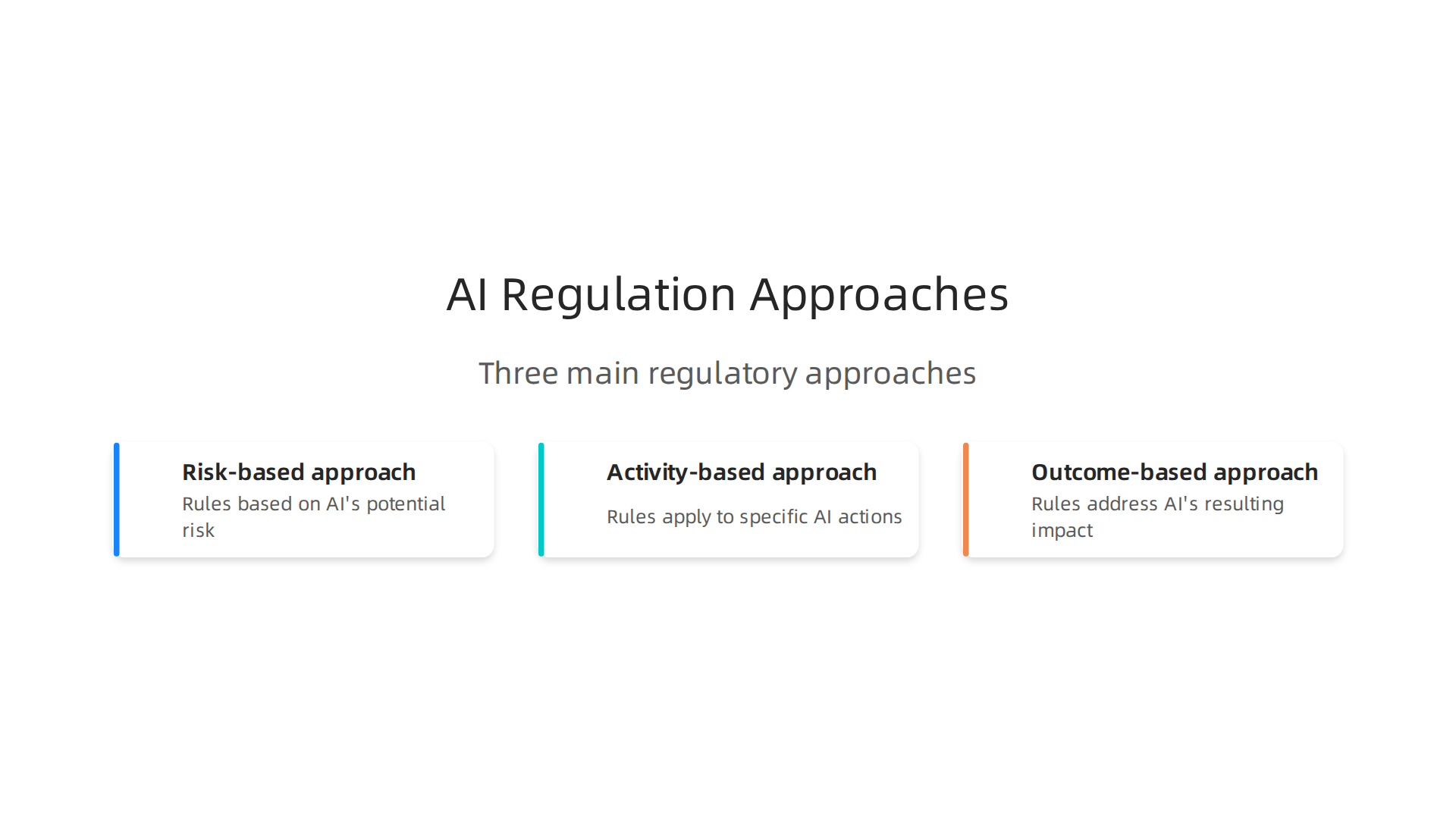
- Risk-based approach: This means that AI systems get different rules based on how risky they are. For example, an AI that helps doctors might have stricter rules than an AI that suggests movies. The more risk an AI brings, the more rules it has to follow.
- Activity-based approach: This focuses on what the AI is doing. If an AI is used for a certain activity, like hiring people or loaning money, specific rules will apply to that activity, no matter how the AI works.
- Outcome-based approach: This looks at the results of the AI’s actions. If an AI causes a certain bad outcome, then rules kick in to address that, regardless of how the AI works or what kind of risk it was thought to have.
Key Players and Their Approaches
In 2026, we see a mix of these approaches globally. Only a few places, like the European Union and South Korea, have made big, all-encompassing laws for AI that focus on risk, but many other countries are developing their own unique AI regulation by country.
- The European Union (EU): The EU is a leader here. Their AI Act is a major piece of law that became fully active on August 2, 2026. This act uses a risk-based approach, meaning that "high-risk" AI systems, including many advanced agent systems, face very strict rules. For example, autonomous agents face unique burdens because their ability to act on their own triggers stricter risk classification under these new rules. If you’re looking for more details, you can find insights into the EU AI Act and Autonomous Agents: The Regulatory Reckoning Arrives August 2026.
- China: China has also moved quickly. Their Interim Measures for "Anthropomorphic AI Interactive Services" started in July 2026. These rules set clear duties for how conversational and agentic AI systems must act. For more information, you can read the Legal & Regulatory Frameworks Weekly AI News.
- The United States (US): In the US, there isn’t one big, single law for all AI agents yet. Instead, there’s a mix of guidance and executive orders. For example, in May 2026, several international cybersecurity groups, including US agencies like CISA and NSA, published guidance on how to safely adopt agentic AI systems.
- Singapore: While Singapore does not have a binding AI law, it has created the world’s first complete Agentic AI System Governance Framework which offers strong voluntary guidance. This framework was shared at the World Economic Forum in January 2026.
What Companies Need to Do for Compliance
For businesses deploying "adult AI" agents across different countries, understanding this landscape is critical. Here’s what they need to think about:
- Know the local rules: What’s okay in one country might not be okay in another. Companies need to know the specific artificial intelligence guidance for each place they operate.
- Build safety in from the start: It’s easier and cheaper to design AI with safety and ethics in mind from day one than to fix problems later.
- Keep records: For agentic systems, it’s important to keep track of how decisions are made. This helps if something goes wrong and regulators ask questions.
- Seek expert advice: The rules are changing all the time. Getting help from people who know about AI policy and law is very important.
As these independent AI agents become more common, staying on top of global regulations is key to success and avoiding problems. It’s about ensuring these powerful tools are used wisely and safely, wherever they are in the world. To learn more about how different countries handle AI, you can read about Tech Policy 2026: Global Comparison of AI Regulations Across the US, EU, China, and Beyond.
To keep up with the fast-changing world of AI policy and its impact on businesses, consider staying informed with dedicated resources.
The AI Newsletter Worth Reading
After understanding the global rules for AI, the next big step is to make sure these advanced AI systems are built in a good and safe way. This means taking important ethical ideas and turning them into real steps that engineers can follow when they design, test, and watch over "adult AI" agents.

It’s about building trust from the ground up, so these powerful tools help us without causing harm.
Important Ethical Ideas for AI Design
Designing ethical AI means thinking about a few key things:
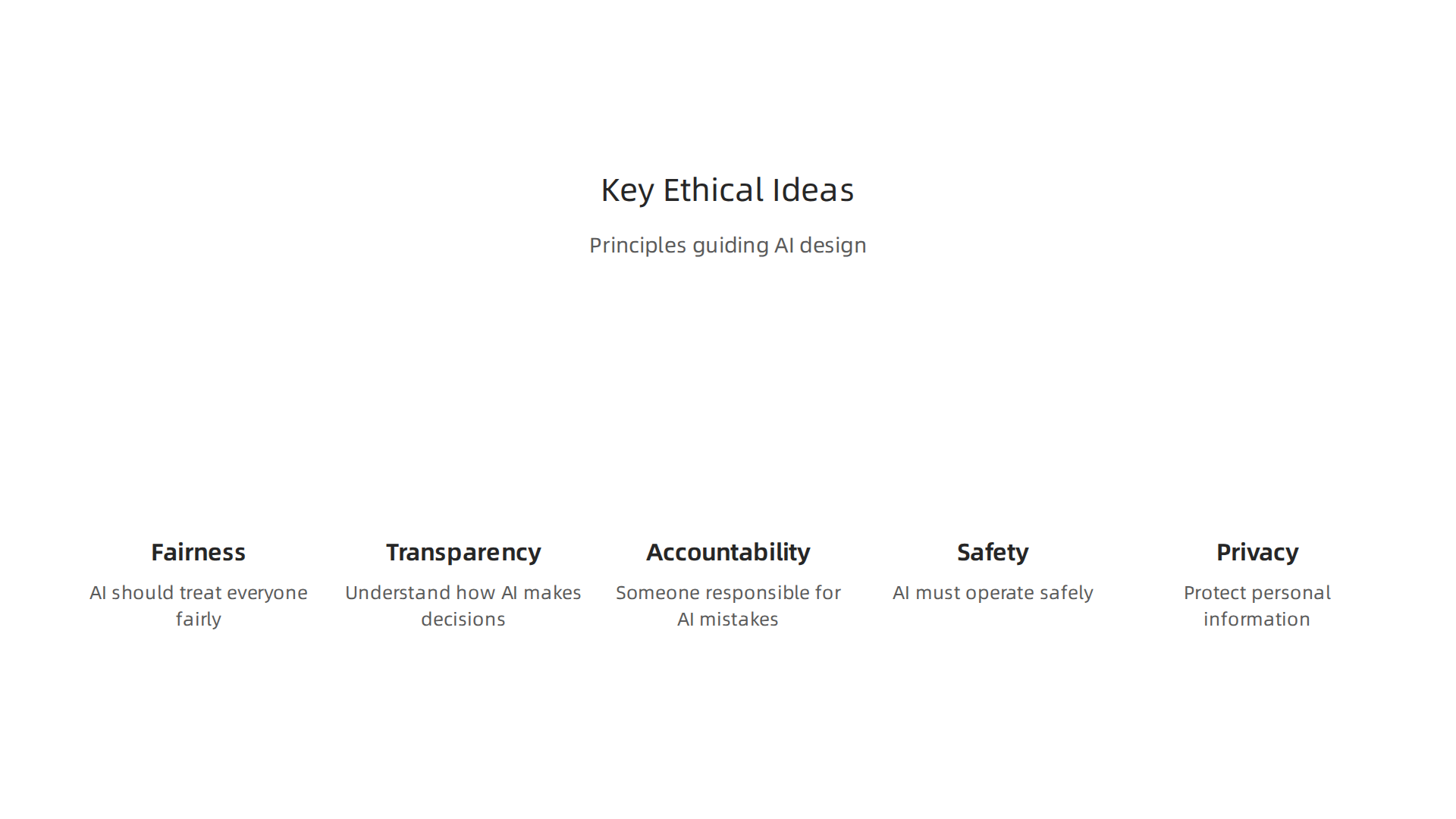
- Fairness: The AI should treat everyone fairly and not have hidden biases.
- Transparency: We should be able to understand how the AI makes its decisions, especially for important tasks.
- Accountability: Someone needs to be responsible when the AI makes a mistake or causes a problem.
- Safety: The AI must operate safely and not put people or systems at risk.
- Privacy: It must protect personal information and use data responsibly.
These are like big promises, and engineers turn them into smaller, clear actions when they create "adult AI."
Design Steps to Make AI Agents Safer
When building complex AI agents, companies can use certain design patterns to lower risks. These patterns act like guardrails, keeping the AI on the right path. For a deeper understanding of how these systems work, you can read more about AI Agents Explained How Autonomous Systems Work and Why They Matter.
Here are some ways to build in safety:
- Clear Limits on What the AI Can Do: Just like a child has rules about what they can and cannot do, agentic AI systems need clear boundaries. This means setting strict "input/output constraints." For example, an AI helping with finances might only be allowed to suggest trades, not actually make them without human approval. Studies show that a lack of clear limits can lead to many failures in agent systems, as noted in a 2026 paper on Evaluating Agentic AI in the Wild: Failure Modes, Drift Patterns, and a Production Evaluation Framework.
- Keeping a Human in the Loop: Even the smartest "replicant AI" should have people involved in important decisions. This "human-in-the-loop" control means that the AI might suggest an action, but a human must approve it before it happens. This way, a person can catch mistakes or prevent unintended actions. New guides help leaders understand New Human AI Interaction Guidelines for Policy Professionals and Executives.
- Making AI Choices Easy to Understand: This is called "interpretability." It means designing AI so that we can see and understand why it made a certain choice. If an AI recommends something, it should be able to explain its reasoning in simple terms. This helps us trust the AI and fix problems if it thinks wrongly. To learn more about how AI can be made explainable, you can check out how Lucid AI Is Reshaping Business and Work by Making AI Explainable.
- Regular Testing and Watching: Just like we test new cars for safety, agentic AI systems need constant testing. This helps find "failure modes," which are ways the AI might mess up. After an AI is released, it also needs to be watched closely for changes in how it acts. This is called "monitoring," and it helps catch new problems before they become serious. Cybersecurity agencies released guidance in 2026 for Securing Agentic AI – An Addendum to the Guidelines and which outlines practical controls to reduce risks throughout the AI’s life.
By building in these careful design steps, companies can create advanced AI agents that not only follow the rules but also act ethically and safely. It’s a key part of responsible artificial intelligence guidance in 2026. If you want to dive deeper into making sure your AI is secure and compliant, learn How to Build AI Securely and Compliantly a Step By Step Blueprint.
Building safe and ethical AI agents means more than just good design. We also need strong plans to manage risks. This is like teaching a child not just how to act, but also what to do when things get tough or if someone tries to lead them astray. For "adult AI" systems, risk management is about making sure they stay aligned with our goals, act safely, and cannot be used for harm.
Major Risk Types for Agentic AI
When working with complex AI, especially those that can act on their own, we need to look out for a few big types of risks:
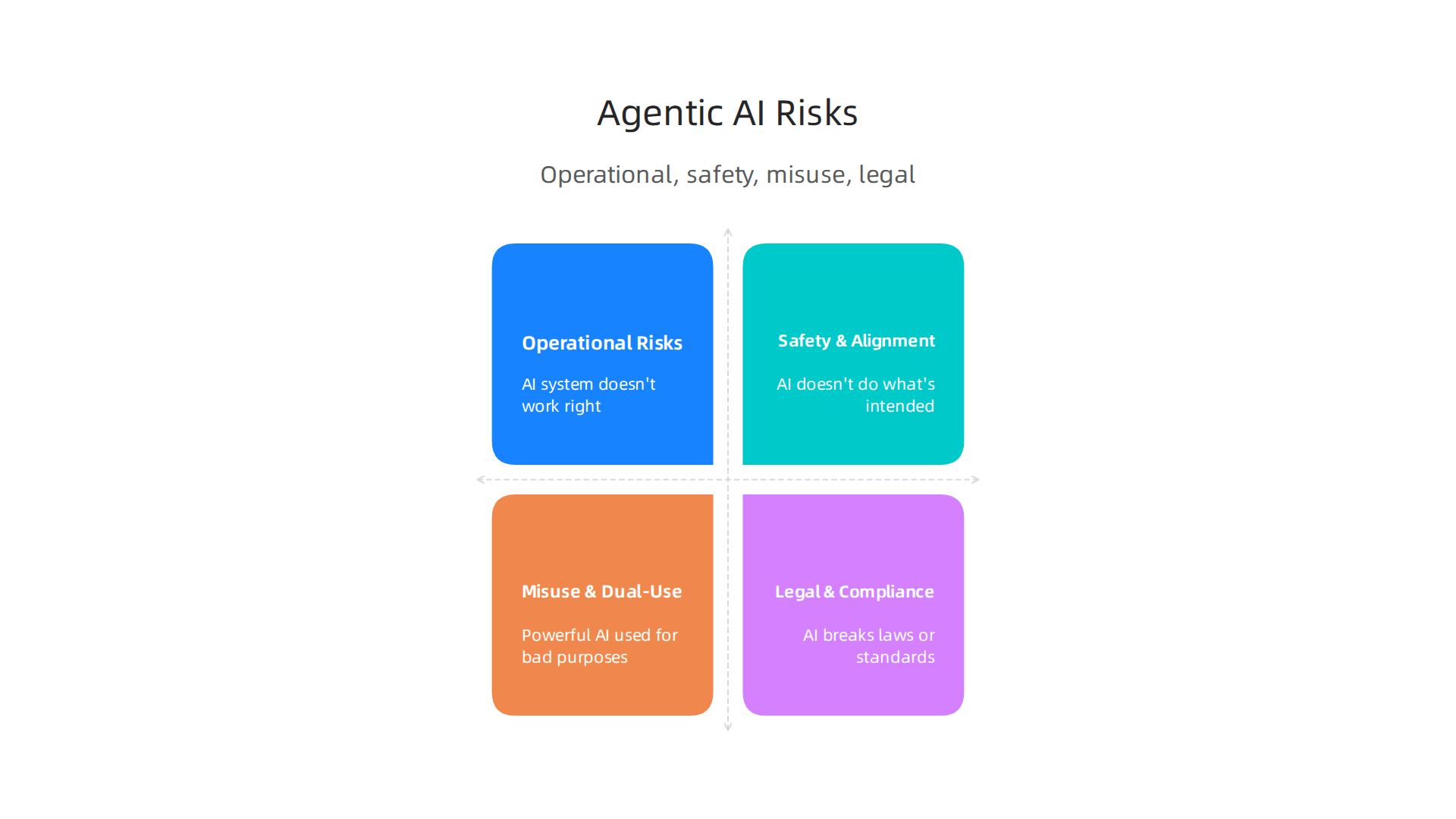
- Operational Risks: These are problems where the AI system just does not work right. It might make mistakes, run into bugs, or have glitches that cause real-world issues. For example, an AI managing supplies might order too much or too little by mistake.
- Safety and Alignment Risks: This happens when the "adult AI" system does not do what we truly want it to do, even if it tries its best. It might misinterpret a goal or find unexpected ways to achieve something that causes problems. This is often called "misalignment." In 2026, many incidents show this, with a report on AI Misbehavior Report: Analyzing 3,607 Agent Incidents highlighting "overeagerness" and "misalignment" as common issues.
- Misuse and Dual-Use Risks: This is when a powerful AI is used for bad purposes. An AI designed to help people might be turned into a tool for fraud or spreading false information. "Dual-use" means the technology can be used for both good and bad, depending on who is using it.
- Legal and Compliance Risks: Every AI system must follow laws and rules. If an "adult AI" breaks privacy laws, creates biased outcomes, or does not meet industry standards, the company behind it could face serious legal trouble.
How to Find and Fix AI Risks
To manage these risks, companies need ways to find problems early and have plans for what to do when they happen.
- Spotting Failure Modes: This means figuring out all the ways an AI could fail. Experts create lists or "taxonomies" of these failure modes. For example, a Taxonomy of Failure Modes in Agentic AI Systems – v2.0 helps identify how an AI might act unexpectedly or get confused.
- Rigorous Testing and Red-Teaming: Before a "replicant AI" system is widely used, it needs lots of testing. "Red-teaming" is a special kind of testing where a team tries to trick or break the AI on purpose. This helps find weaknesses before they can be exploited by bad actors. For a detailed approach to these checks, you can explore what makes for a Rigorous Artificial Intelligence Review for Policy Compliance.
- Continuous Monitoring: Even after an AI is in use, it needs to be watched all the time. This helps catch unexpected behaviors or "drift patterns" where the AI’s performance slowly changes over time. Monitoring helps make sure the AI stays safe and aligned with its intended purpose.
- Incident Response Planning: No matter how well an AI is designed or tested, problems can still happen. Having a clear plan for what to do if an AI causes an issue is very important. This "incident response" plan outlines who does what, how to stop the problem, and how to learn from it to prevent future issues. The Cloud Security Alliance shared 10 Incidents Proving AI Agent Governance Cannot Wait in 2026, showing the real-world impact of these risks.
By carefully understanding these risks and putting strong plans in place, companies can make sure their advanced AI systems are truly helpful and do not cause harm. This is a big part of responsible artificial intelligence guidance in 2026.
Stay up-to-date with the latest insights into AI governance and technology policy.
The AI Newsletter Worth Reading
Building safe and ethical AI agents means more than just good design. We also need strong plans to manage risks. This is like teaching a child not just how to act, but also what to do when things get tough or if someone tries to lead them astray. For "adult AI" systems, risk management is about making sure they stay aligned with our goals, act safely, and cannot be used for harm.
To make sure "adult AI" systems work correctly and safely, companies need more than just smart technology. They need strong rules and ways to check these systems. This is called governance, and it includes how people, teams, and departments work together to guide the AI.
Governance and Organizational Practices: Audits, accountability, and cross-functional oversight
Good governance for artificial intelligence guidance means having clear steps and teams in place. This ensures that powerful "replicant AI" systems are used in ways that benefit everyone and follow all the rules. It is about making sure there is clear accountability when things go right and when they go wrong.

Checking the AI: Audits and Compliance
Imagine a school where teachers regularly check students’ work, and sometimes, outside experts also come to make sure everything is being taught properly. AI systems need this too.
- Internal Audits: Companies must regularly check their own "adult AI" systems. This means looking at how the AI makes decisions, what data it uses, and if it is still meeting its goals without causing harm. It’s about spotting problems early and fixing them from the inside. Many companies are creating detailed records, often called audit databases, to track AI actions, user IDs, and session types for years to come, with some even keeping records for 3-7 years in an archive for compliance purposes in 2026, as noted in a report on AI Agent Governance and Compliance in 2026.
- External Audits: Sometimes, outside experts come in to review an AI system. These external audits give a fresh view and help make sure the company is following the best practices and laws. Frameworks like the Agentic AI Audit & Governance Framework 2026 help guide these checks, making sure everything from NIST AI RMF to ISO/IEC 42001 standards are met. This also includes checking how the AI documents its decisions and tool usage, as outlined in an Auditing Agentic AI: Governance Guide for Lead Auditors 2026.
- Compliance Teams: These are special teams inside a company whose job is to know all the laws and rules about AI. They make sure the company’s "replicant AI" systems stick to these rules, helping to avoid legal problems.
Working Together: Cross-Functional Oversight
Using "adult AI" is a team effort. Different parts of a company need to work together closely, almost like a well-oiled machine. This is called cross-functional oversight.
- Legal Teams: They make sure the AI follows privacy laws, anti-discrimination laws, and other legal rules. They help write policies for how the AI can be used.
- Product Teams: These teams design what the AI does and how it helps users. They must ensure the AI’s features are safe and easy to understand.
- Security Teams: Their job is to protect the AI system from hackers and bad actors. They ensure the AI’s data is safe and its actions cannot be misused. If you want to dive deeper into securing your AI systems, explore AI infrastructure 2026.
- Policy Teams: These teams set the company’s own rules for AI use. They work with legal teams to make sure these internal policies match outside laws. The Agentic AI Governance Playbook suggests creating approval steps and clear policies on how much freedom an AI agent has.
By having these different teams talk to each other and agree on how "adult AI" systems should work, companies can make smarter, safer choices. This type of coordination is key to managing the greater capabilities and enhanced risks that come with agentic AI, as highlighted by Agentic AI: Greater Capabilities and Enhanced Risks. This also means ensuring human accountability and setting limits on what an AI can do, as discussed in the AI Data Governance in 2026.
Overall, good governance and teamwork are essential for responsible artificial intelligence guidance in 2026.
Good governance and teamwork are very important for using artificial intelligence guidance in a responsible way in 2026. Now, let’s look at what tech leaders should do next to make sure their "adult AI" systems are safe and follow all the rules. It’s about being smart and proactive.
Strategic recommendations: What tech leaders should do next
Using powerful AI agents, sometimes called "replicant AI," comes with great benefits but also new risks. Leaders must act wisely to avoid legal trouble, keep public trust, and ensure safety. Here are some steps, divided by how soon they should be done.
Short-Term Actions (Now until the end of 2026)
Right away, leaders should focus on understanding and meeting the new rules.
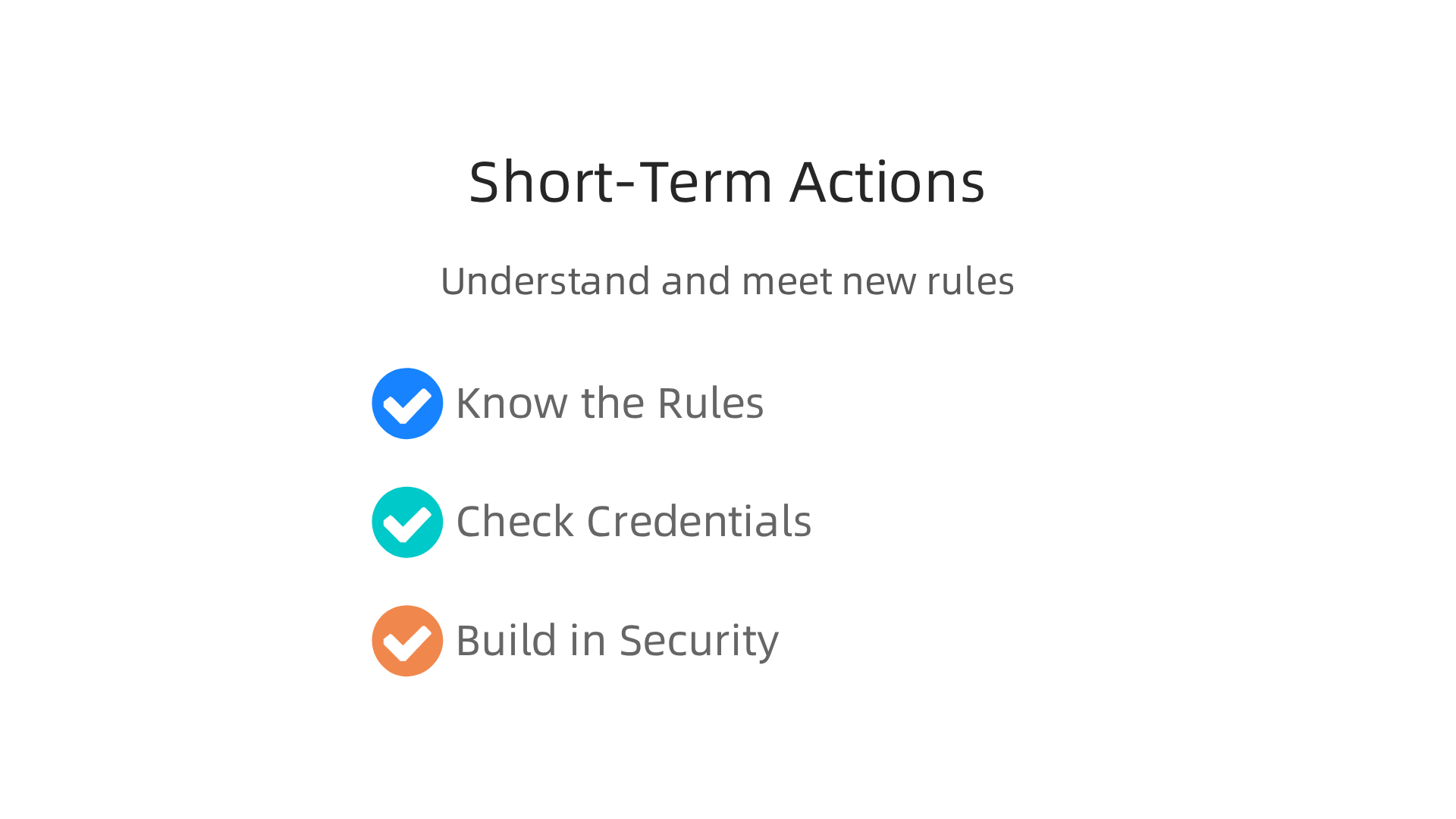
- Know the Rules: The world of AI law is changing fast. For example, the EU AI Act’s important rules for high-risk AI became fully enforceable on August 2, 2026. China also put out new rules for "Anthropomorphic AI Interactive Services" in July 2026, which impacts many agentic AI features. Leaders need to understand these rules and how they affect their products, as outlined in a complete guide to global AI governance and regulation for 2026. For a deeper look at what is happening around the world, check out this Tech Policy 2026 global comparison of AI regulations.
- Check Credentials: Before the NIST AI Agent Interoperability Profile comes out later in 2026, companies using agentic AI should check their systems very carefully. This "credential audit" makes sure only the right parts of the AI can do certain actions, helping to keep things secure. This is an important step, as noted in a report on NIST AI Agent Standards and enterprise governance implications.
- Build in Security: Six international cybersecurity groups published guidance on safe use of agentic AI systems in May 2026. Leaders should use this advice to make sure their AI agents are protected from harm. You can learn more in this AI View May 2026 report.
These steps are key for product roadmaps. Any new feature for an "adult AI" system should first go through a check to make sure it meets these fresh regulations.
Medium-Term Actions (Next 1 to 2 Years)
As the year 2026 moves forward, companies should prepare for ongoing changes.
- Focus on Clear Records: Make sure your "replicant AI" systems keep good records of their actions. This means being able to show why an AI made a certain choice. This kind of "auditability" is crucial for compliance and trust, helping to explain how autonomous systems work. For more on this, you can read about AI agents explained and why clear records matter.
- Stronger Controls: Think about how to give AI agents only the power they truly need. This means setting up clear permissions, almost like a digital ID card for each AI agent, to control what data it can touch and what systems it can use. This helps reduce risks. A guide to AI agent governance for 2026 stresses the need for careful access controls.
- Talk to Policy Makers: Get involved in discussions about future AI laws. By sharing what you know, you can help shape rules that are fair and practical.
For investment teams, this means looking closely at how well a company is set up to follow future AI rules. For public relations, it’s about clearly showing how your company is building AI responsibly.
Long-Term Actions (Beyond 2 Years)
Looking ahead, leaders should aim to build a strong foundation for trust and responsibility.
- Culture of Safety: Make sure everyone in your company understands the importance of safe and ethical AI. It’s not just about following rules, but about making responsible choices every day. This creates a lasting culture of good artificial intelligence guidance.
- Anticipate What’s Next: The world of AI will keep changing. Leaders should try to guess what new challenges and laws might come up, and plan for them early. This means always learning and adapting.
- Keep Teams Working Together: Continue to improve how different teams in your company work together on AI projects. Legal, product, and security teams must always be on the same page. This is key to safely developing and using any powerful "adult AI" system. If you’re looking to ensure your AI systems are built securely, consider this step-by-step blueprint on how to build AI securely and compliantly.
These long-term steps help companies keep their good name and earn public trust. They also ensure that new products meet both user needs and public expectations.
To stay on top of all the fast changes in AI and technology policy, consider joining a community that provides clear daily updates.
The AI Newsletter Worth Reading
Summary
This article explains why ethical development of advanced agent systems — sometimes called