
Introduction: The New Frontier of Commercial AI
You’ve probably felt it. Every week seems to bring a new AI model, a new funding round, or a new regulation that changes the rules overnight. In 2026, artificial intelligence isn’t just a tech trend. It’s a full-blown economic force. The global AI market is expected to hit more than half a trillion dollars this year, with forecasts pointing toward $3.5 trillion by 2033. That kind of growth creates incredible opportunity. But it also brings serious complexity.

At the center of this shift is the ai development company. These are the teams building the models, tools, and infrastructure that power everything from customer service chatbots to self-driving cars. They are also the ones navigating a rapidly changing policy landscape. Governments in the US, EU, and China are all rolling out new rules on safety, privacy, and accountability. For investors, executives, and policy professionals, understanding these rules is no longer optional.
Take a tool like Seamless AI for sales intelligence, or Flawless AI for film localization, or Forethought AI for customer support. Each one solves a real problem. But each also faces questions around data use and liability. Even Notion for startups, which helps new companies organize their work, must think about compliance. The winners in 2026 won’t be the ones with the flashiest demos. They will be the ones who can build smart products while staying ahead of the rules.
That is why staying informed matters. Headlines give you the what. You need the why and the how. AI trends in 2026 offer a deeper look at the models and governance challenges reshaping the industry. And to keep up day by day, consider a resource that cuts through the noise.
Get clear daily AI updates from The Deep View Newsletter.
The State of Commercial AI Development in 2026
The numbers alone tell a big story. AI companies raised over $225 billion in venture funding through the end of 2025. That was nearly half of all venture capital dollars deployed that year. The pace has not slowed in 2026. Foundation model builders like OpenAI, Anthropic, and xAI now hold valuations that rival major public companies. According to a top AI funded startups tracker, OpenAI alone serves 500 million weekly users and is valued at $500 billion. Anthropic follows at $183 billion with a $5.5 billion annual run rate.
But the market is not just about foundation models. Enterprise tools and infrastructure companies are booming too. Databricks, valued at $100 billion, powers data pipelines for Fortune 500 clients. CoreWeave, a GPU cloud provider, has hit $2 billion in revenue. This shows that real money in AI is spreading across the full stack, from chips to applications.
So what does this mean for an ai development company trying to compete? Two things matter most: talent and compute access.

The best engineers and researchers are hard to find and harder to keep. At the same time, the cost of training and running large models continues to push smaller players out. Companies that secure both top talent and reliable GPU capacity have a clear advantage.
The race is global too. European players like Mistral AI and Asian giants like Baidu are pushing hard. For policy professionals and executives, watching where the money flows is one of the best ways to predict where the next regulations will land.
For a deeper look at how businesses are navigating this landscape, check out this analysis on bridging the enterprise AI adoption gap.
Key Players and Market Trends
So where does an ai development company fit in this fast-changing market? The landscape is split between a handful of mega-players and a long tail of specialized startups.
Giants like OpenAI, Google, and Anthropic dominate foundation models and general-purpose AI. But the real action for many businesses is in vertical AI solutions tailored to specific industries. In healthcare, AI tools help diagnose diseases faster. In finance, they automate fraud detection and risk analysis. In legal, they streamline document review and compliance. These specialized tools often deliver more immediate value than general models. As tracked by the Forbes AI 50 list for 2026, a growing number of startups are focusing on narrow use cases rather than trying to compete with the giants.
At the same time, the open-source versus proprietary debate is heating up. European models like Mistral show that open-source alternatives can compete, especially for companies that need more control and lower costs. For policy professionals and executives, understanding these trends is essential for making smart decisions.
To stay ahead of these changes, check out our guide to AI trends for 2026. And for daily insights you can actually use, subscribe to The Deep View Newsletter for the latest on AI policy and market shifts.
The Role of AI Development Companies in the Ecosystem
So where do actual AI development companies fit in this picture? They sit right at the center. These companies are both builders and users of foundational models. A firm like Mistral creates its own open-source models while also relying on cloud infrastructure from providers like AWS or Microsoft Azure. This dual role means they shape the technology from the inside out.
But their influence goes beyond code. Many AI development companies actively shape policy. They lobby regulators, participate in standards bodies, and help write the rules that will govern their own industry. For policy professionals, understanding who these companies are and what they want is just as important as understanding the models themselves. That is why keeping up with a global comparison of AI regulations is essential for anyone tracking how different regions respond.
Partnerships are another big piece of the puzzle. Most AI development companies do not work alone. They team up with cloud providers for computing power, with research institutions for cutting-edge science, and with each other for specialized talent. These networks create an ecosystem where even smaller players can compete. To see which firms are leading the charge in 2026, check out this list of top AI software development companies in 2026. It gives a solid overview of the major players and what sets them apart.
Regulatory Frameworks Shaping AI Development
But no matter how advanced your technology gets, your ai development company does not operate in a legal vacuum. In 2026, regulatory frameworks around the world are actively shaping how AI gets built, deployed, and scaled. Staying on top of these rules is not optional anymore. It is a core part of doing business.
The biggest shift right now is the EU AI Act. This law uses a risk based approach.
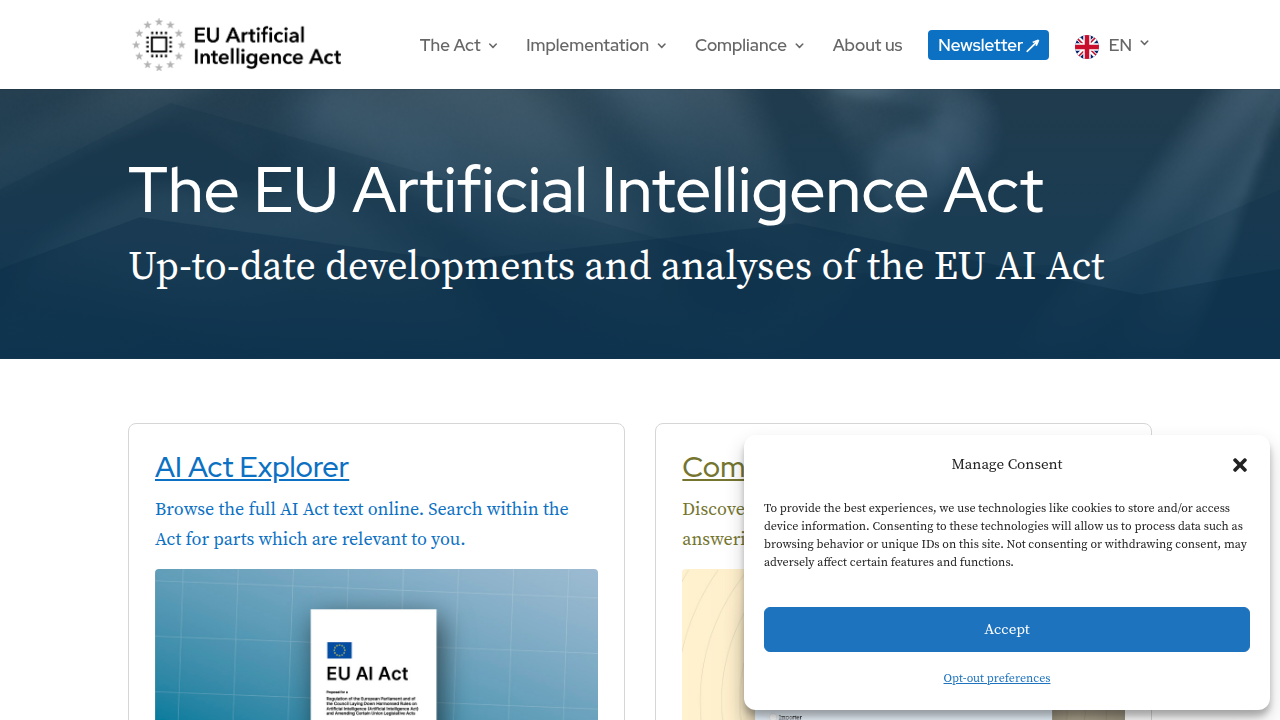
It divides AI into categories like unacceptable, high, limited, and minimal risk. Different rules apply to each level. The phased timeline means many key obligations are coming into effect in August 2026. Companies should check the implementation timeline for the EU AI Act to see exact deadlines for their systems. Fines can reach up to 35 million euros or 7% of global turnover, so getting compliance wrong is expensive.
Across the Atlantic, the United States takes a different path. Instead of one sweeping law, the US uses a sectoral approach. Executive orders and agency guidance set the rules for specific areas like healthcare, finance, and national security. This creates a patchwork of requirements that an ai development company must track carefully.
Other major jurisdictions are also building their own frameworks. The United Kingdom, Japan, and Canada are each developing rules that reflect their local priorities. For any global ai development company, this means navigating multiple sets of regulations at once. It adds real compliance complexity.
To understand how these different approaches fit together, read about the major regulatory shifts in the software industry. It breaks down the key changes you need to know.
And if you want a simple way to stay updated on all these moving parts, subscribe to The AI Newsletter Worth Reading. It delivers clear daily updates straight to your inbox.
US and EU Regulatory Pathways Compared
So what do these two approaches look like side by side? The difference comes down to structure.
The EU uses a horizontal model. One law covers all AI systems across every industry. Your ai development company must classify each system by risk level and follow the rules for that tier. This means you need a single compliance framework that applies everywhere you operate in Europe.
The US takes a sectoral approach. No single AI law exists at the federal level. Instead, agencies like the FDA, FTC, and Department of Health and Human Services each set their own rules for AI in their specific areas. A healthcare AI system follows different rules than a hiring algorithm. This creates a patchwork your ai development company must navigate industry by industry.
Even with these structural differences, both regions agree on the big priorities: transparency, bias testing, and oversight of high-risk use cases. The EU spells these out in its risk categories. The US handles them through agency guidance and executive orders. For a deeper breakdown, read the full comparison of US and EU AI regulations in 2026.
Harmonization talks between the US and EU are happening, but a single global standard is still far off. Your team needs to track both systems separately and build compliance processes that work across both frameworks at once.
Global Divergence and Compliance Challenges
The US and EU are just two pieces of a much bigger puzzle. China has built its own AI rulebook, and it works very differently. The government demands strict content control and close oversight of how algorithms manage search results, recommendations, and content moderation. For any ai development company looking to enter China, these rules are non-negotiable and must be built into the system architecture from the start.
And the list keeps growing. Countries like India, Brazil, and several African nations are now writing their own AI laws. These emerging frameworks often focus on data localization, bias testing, and transparency requirements. Each one adds another layer of complexity for global teams trying to stay compliant.
According to a recent analysis of AI regulatory compliance in 2026, companies now face three distinct regimes at once: binding EU rules, a light-touch US federal posture, and active state-level laws. Adding China and emerging markets to the mix makes the challenge even bigger.
For a broader look at how policy is evolving across multiple sectors, read our guide to major regulatory shifts in 2026.
Staying on top of these changes is hard, but you don’t have to do it alone. Get clear daily AI updates from The Deep View Newsletter to track regulatory shifts as they happen around the world.
Strategic Impact Assessment for Stakeholders
The compliance landscape we just discussed does not sit in legal binders. It reaches directly into how products get built, where money gets invested, and what every leader must know to make smart decisions in 2026.
For product development teams
Policy changes now directly shape product timelines and budgets. For any ai development company, a 12-month launch cycle now needs extra room for bias testing, transparency documentation, and risk classification. Building a seamless AI experience that is also compliant from day one is no longer optional. It is a competitive advantage.
Under the EU AI Act implementation timeline, high-risk systems face strict rules on data quality, human oversight, and accuracy starting in 2027. Companies must build bias detection pipelines and automated escalation playbooks into their systems from the start. This adds upfront cost but prevents costly regulatory delays later. For a side-by-side look at how rules differ worldwide, check out this global comparison of AI regulations across the US, EU, China, and beyond.
For investors and executive leaders
Money flows differently in 2026. Smart investors now weigh regulatory risk just as heavily as technological potential.

A startup can have a flawless AI product and still fail if it ignores compliance from the start. According to the 2026 AI legal forecast from Baker Donelson, adverse rulings against developers could increase pressure for stricter licensing rules.
Executive leaders must bring legal, technical, and market teams together early. These choices affect not just speed to market but long-term trust and brand reputation. Understanding the AI trends and governance challenges shaping this year helps leaders anticipate the next wave of regulatory change before it arrives.
How Policy Shapes Product Roadmaps
This wave of regulation we have been exploring does not just sit in legal filings. It rewrites product roadmaps from the ground up. For any ai development company, compliance requirements now directly shape design choices. Think explainability. Your model must be able to show why it made a decision. Think data minimization. You need to collect only what is needed and nothing more. These are not just good practices. They are becoming hard rules.
Under the EU AI Act, high-risk systems must include features like bias detection pipelines and automated escalation playbooks from the start. The latest guidance on AI regulatory compliance in 2026 explains how to turn these duties into enforced controls that run automatically. Building seamless AI experiences that are also compliant from day one gives you a real edge.
But here is the balancing act. Companies that move early can create first-mover advantages by anticipating regulation. They ship products that already meet rules before competitors even start. However, over-compliance can stifle innovation. The trick is to build flexible systems that adapt as rules evolve. For a deeper look at how these policy shifts affect product planning, check out this guide on software industry policy shifts in 2026.
Staying ahead of these changes requires constant attention to fast-moving policy updates. That is why we recommend The AI Newsletter Worth Reading from The Deep View. It delivers clear daily updates so your roadmap stays compliant and competitive.
Investment Risk and Opportunity in AI
Regulation creates winners and losers. For any ai development company, knowing where the rules are clear can guide smart investment. When governments set firm boundaries, investors feel safer placing big bets. Clear rules lower risk.
But not all regulation helps in the same way. Geopolitical factors like export controls and data localization rules shape where money flows. For example, US restrictions on selling advanced AI chips to China push investment toward domestic alternatives. Companies that build seamless AI solutions within these boundaries attract funding. Meanwhile, data localization laws in Europe and Asia force companies to host data locally, which changes cost structures and investor calculations.
Some verticals face extra pressure but also huge opportunity. Healthcare AI is one. Regulators watch it closely because patient safety is at stake. According to the 2026 AI regulations governance guide, high-risk systems must meet strict testing and bias detection rules before reaching the market. Yet demand for smarter diagnostics and administrative tools keeps rising. An ai development company that can navigate healthcare compliance while delivering real results stands to capture serious market share.
For a broader look at how different regions compare, check out this global comparison of AI regulations across the US, EU, China and beyond.
Governance, Ethics, and Trust in AI Tools
As AI systems become more powerful, the rules governing them matter more than ever. In 2026, governance frameworks like the NIST AI Risk Management Framework (AI RMF) are gaining real traction. This framework helps organizations identify, measure, and manage AI risks in a structured way. It is not a law, but many companies and government agencies now use it as their operating spine for AI safety.
Why does this matter for your business? Because governance is no longer optional. Ethical concerns around bias, privacy, and accountability are pushing public expectations higher. Regulators are watching closely. A single high-profile failure can damage a brand for years.
Here is the thing: trustworthiness has become a competitive differentiator. An ai development company that can prove its systems are fair, transparent, and secure will win more contracts and retain more customers. Clients want to know their AI tools won’t backfire. They want evidence of responsible design.
Building that trust starts with a solid governance foundation. The NIST AI RMF gives you a practical playbook. It covers four core functions: Govern, Map, Measure, and Manage.
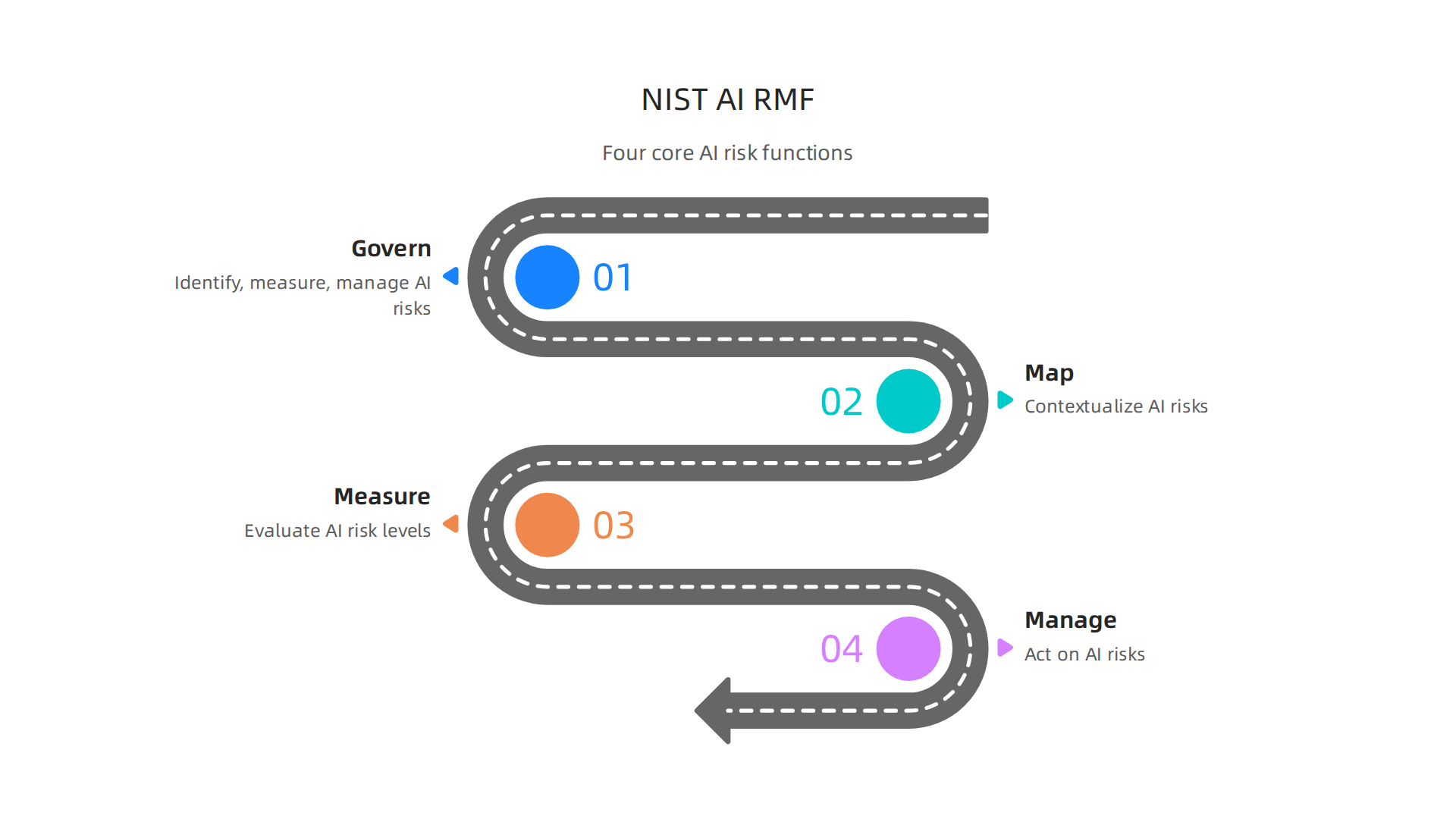
By following it, you show stakeholders you take risk seriously. You also make compliance with laws like the EU AI Act easier down the road.
For a deeper dive into human AI interaction guidelines that support ethical design, check out these Human AI interaction guidelines. They offer practical steps for building transparent systems.
The bottom line: governance and ethics are not just checkboxes. They are the foundation for lasting trust. And trust is what separates winners from also-rans in the AI space.
Staying up to date on these fast-changing topics is hard. The AI Newsletter Worth Reading delivers clear daily updates on AI governance, regulation, and ethics so you never miss what matters.
Emerging Governance Standards
The governance landscape is getting more concrete. Besides frameworks like NIST AI RMF, organizations now have certifiable standards to aim for. ISO/IEC 42001 is the first international standard for AI management systems. It gives companies a clear set of requirements to build, operate, and improve their AI systems responsibly. Getting certified shows clients and regulators that your ai development company takes AI governance seriously.
Sector-specific rules are also tightening. Financial regulators in the US and Europe are issuing guidelines for using AI in lending, fraud detection, and trading. Medical regulators are demanding transparency in diagnostic AI tools. These rules vary by industry, but the pattern is clear: regulators want proof that AI systems are safe and fair.
At the same time, international efforts to align principles continue. Groups like the OECD and G7 are pushing for common standards across borders. For a global look at how these regulations compare, see this global comparison of AI regulations across the US, EU, China and beyond.
The bottom line: governance standards are no longer optional suggestions. They are becoming measurable, certifiable, and enforceable. And that is good news for any AI company that wants to build lasting trust.
Building Trustworthy AI Systems
Knowing the standards is one thing. Putting them into practice is another. That is where building trustworthy AI systems starts. For any ai development company, trust is the single most important asset. Lose it, and your market position can vanish fast.
So what does a trustworthy system look like in 2026? It starts with technical rigor.
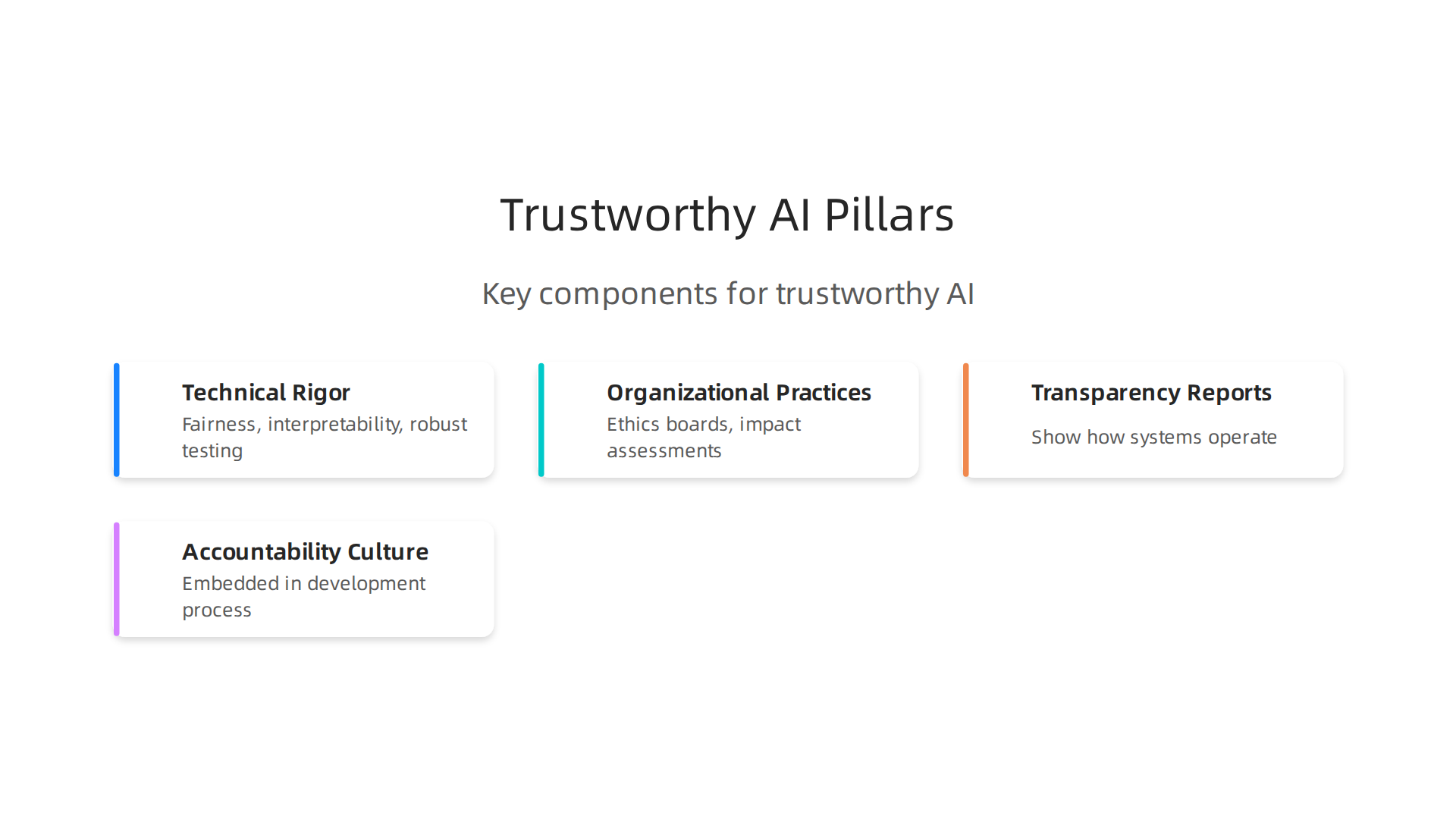
Teams use fairness metrics to catch bias before deployment. They build in interpretability so users and auditors can see why a model made a certain decision. Robust testing goes beyond simple accuracy checks to test for edge cases, adversarial attacks, and data drift. For practical guidance on implementing these measures, refer to this NIST AI RMF explained resource that covers fairness audits and continuous monitoring.
But technology alone is not enough. Strong organizational practices are just as critical. Ethics boards review high-risk use cases. Impact assessments flag potential harms before launch. Transparency reports show the public exactly how systems operate and what safeguards are in place. These practices create a culture of accountability. For more on how to structure human oversight, check out these human AI interaction guidelines.
User trust is fragile. One high-profile incident can undo years of careful work. That is why building trust must be woven into every part of the development process, not added at the end. And the best way to stay ahead of best practices is to keep learning. If you want to stay informed without hours of research, The AI Newsletter Worth Reading delivers clear daily updates straight to your inbox.
Practical Tools and Frameworks for Policy Monitoring
Keeping up with AI regulations in 2026 feels like drinking from a firehose. Newsletters help, but dedicated policy monitoring tools are what separate reactive teams from proactive ones. These platforms fill the gap between generic news and the deep analysis your team actually needs.
So what tools are leading the market? According to a roundup of Top 10 AI Monitoring Tools (2026), platforms like Levo.ai, Arize AI, and Fiddler AI now offer runtime coverage, governance depth, and enterprise readiness. These tools track model behavior in real time, flag drift, and generate audit-ready reports.
Beyond performance monitoring, automated compliance tracking is an emerging trend. AI itself is being used to watch for regulatory changes. Platforms like Centraleyes and Credo AI scan legislative updates, map requirements to internal controls, and alert teams before laws take effect. This turns compliance from a scramble into a scheduled process.
But tools alone won’t save you if your workflow is chaotic. The smartest teams build an intelligence workflow that combines tool alerts with human judgment. They set up dashboards, schedule review cycles, and assign ownership for each policy area. For a broader view of how regulations differ across major markets, check out this global comparison of AI regulations. It helps you see where your monitoring should focus first.
The takeaway is simple. Pick a tool that fits your scale. Set up automation. Then layer on human oversight. That combination turns policy monitoring from a burden into a competitive advantage.
Staying Informed Amid Information Overload
Let’s be real. The amount of regulatory noise in 2026 is overwhelming. Between new AI laws, agency guidance, and enforcement actions, missing one update can set your compliance timeline back by months. So how do you stay sharp without drowning in alerts?
Start with a curated newsletter. The Deep View delivers concise daily updates on AI and tech policy straight to your inbox.

No fluff. Just the signal you need to know what changed and why it matters. It saves you hours of scanning headlines across dozens of sources.
Next, use AI-powered summarization tools to cut through lengthy legislative documents. Platforms like Centraleyes include a Regulatory Watch module that scans legislative updates and maps them to your internal controls automatically. Instead of reading a 200-page EU AI Act amendment, you get a digest of what applies to your organization. That is a game changer for any ai development company trying to keep engineering teams aligned with legal requirements.
Finally, set up RSS feeds and alerts for key regulatory bodies while layering on a dedicated policy tracking platform. The best approach combines automated alerts with a weekly review rhythm. You get real-time notification of changes plus the human judgment to filter what actually matters.
For a deeper look at how different policy domains connect, read this tech policy 2026 navigation guide. It ties together the privacy, cybersecurity, and antitrust angles that often overlap in a single update.
The key is building a system that filters noise first and delivers insight second. Start with one trusted newsletter, add one summarization tool, and see how much clearer your week becomes.
The AI Newsletter Worth Reading gives you daily clarity on the policies shaping your industry.
Risk Mitigation and Compliance Toolkits
Staying informed is half the battle. The other half is turning that knowledge into action. That is where risk mitigation and compliance toolkits come in.
AI governance platforms can automate compliance checks for you. Instead of manually matching each new regulation to your controls, tools like the ones featured in this roundup of top AI compliance tools of 2026 do the heavy lifting. They scan your systems, flag gaps, and generate reports you can use in audits.
Regular audits are also non-negotiable. Document everything against recognized standards like ISO 42001. That framework gives you a clear structure for recording model behavior, risk assessments, and remediation steps. When a regulator asks questions, you have receipts ready.
Finally, build a cross-functional team. Compliance is not just a legal job. Engineers, product managers, and data scientists all need a seat at the table. Each group sees risks from a different angle, and that combined view catches issues earlier.
For a broader look at how different countries handle AI oversight, read this global comparison of AI regulations. It helps you benchmark your own compliance approach against international standards.
Summary
This article explains how commercial AI has become a major economic force in 2026 and why ai development companies now compete on both technical strength and regulatory savvy. It covers market trends and key players, the rising costs of talent and compute, and why vertical AI often delivers faster value than chasing foundation-model dominance. The piece lays out how different regulatory regimes — notably the EU AI Act, the US sectoral approach, and China’s strict controls — change product roadmaps, launch timelines, and investment decisions. It also explains practical governance frameworks like NIST AI RMF and ISO/IEC 42001, and shows how monitoring tools, transparency practices, and cross‑functional teams turn compliance from a burden into a competitive advantage. Readers will learn what stakeholders must do to design compliant systems, choose monitoring tools, and align strategy to regulatory risk so their AI products can scale globally.