
The world of technology moves faster than ever in 2026. Think about how new ideas and tools like AI change everything around us. This quick pace creates something we call a "tech exchange." A tech exchange is simply how new technologies, government rules, and market trends all connect and affect each other. It’s like a big marketplace where ideas, products, and policies are constantly swapped and changed.
Understanding this tech exchange is super important for many reasons. For businesses, it decides what kind of new products they can make and how they can sell them. For investors, it shows where to put their money to help grow alpha technology or the next big thing. For governments, it helps them create rules that keep up with new ideas and protect people. Without understanding these dynamics, it’s hard to make smart choices.

For example, keeping up with Tech Trends 2026 is key for knowing what’s next.
However, keeping track of everything can be really tough. We often face too much information, like trying to drink from a firehose. The rules for new tools, especially emerging technologies examples like advanced AI, can be very confusing and change all the time. This creates big risks for companies trying to plan for the future. You might worry about missing important news or not understanding how a new rule affects your work.
That’s where we come in. We want to give you clear ways to understand these market signals and new rules. We’ll help you cut through the noise so you can make good decisions and stay ahead. To learn more about how policies are changing the tech world this year, you can explore The biggest information technology policy shifts of 2026.
If you’re tired of sifting through endless news to understand the latest in AI and tech policy, there’s an easier way.
Get clear daily AI updates from The Deep View Newsletter. The AI Newsletter Worth Reading
1) Market Overview: How Tech Exchanges Are Structured and Traded
To make good decisions and stay ahead, we first need to look closely at what a **tech exchange** really means and how it works. It’s more than just one type of market; it’s all the different ways technology, data, and services are swapped and valued. Understanding the full **technology meaning** in these exchanges helps us see the bigger picture.
What a Tech Exchange Looks Like
A **tech exchange** can take many forms in 2026. It’s not just a single place, but many activities:
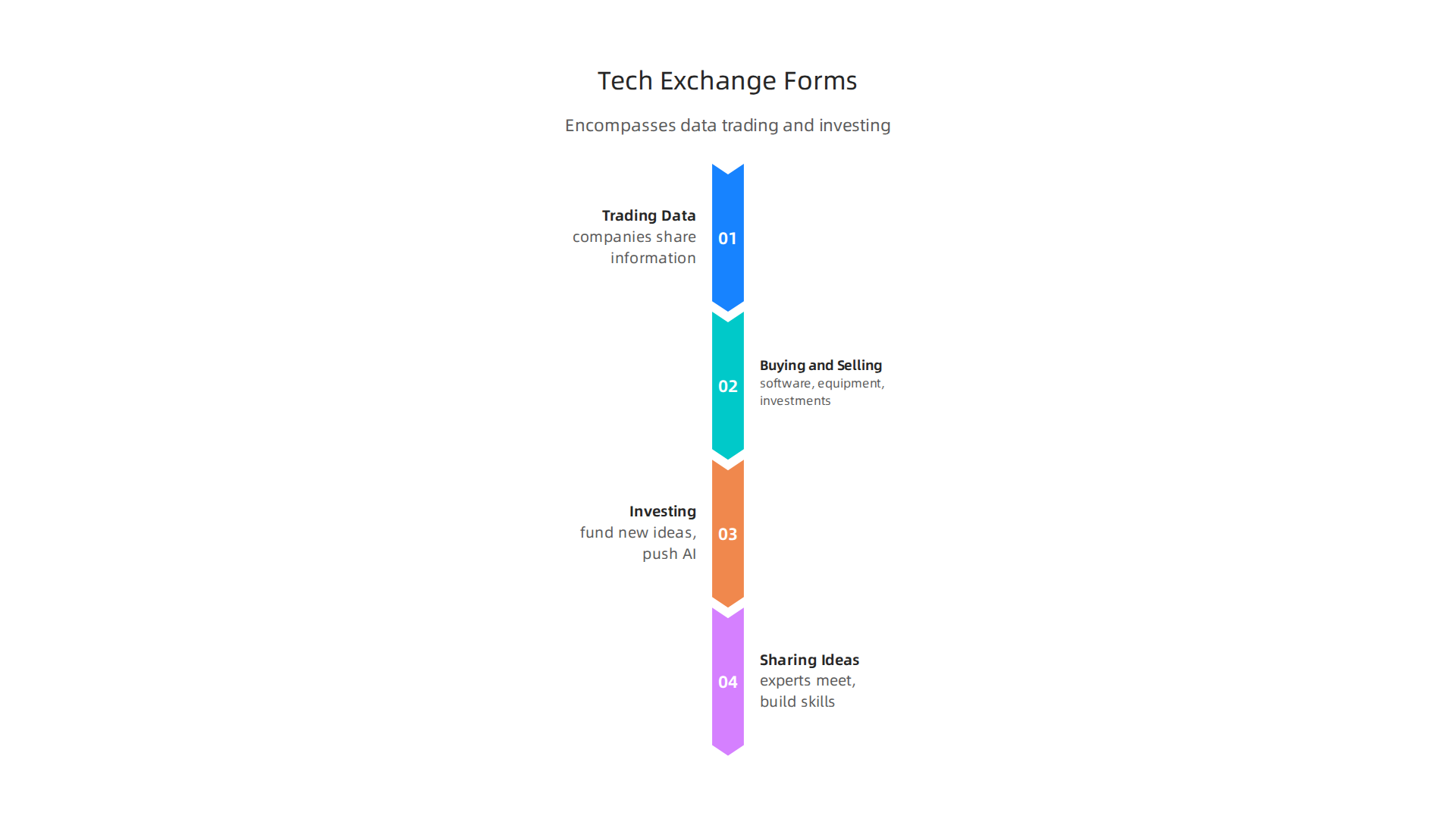
- Trading Data: Think about how different companies share information. For example, one company might collect data about traffic patterns, and another company that makes navigation apps might buy that data. This kind of sharing happens all the time between platforms. If you want to dive deeper into understanding this, consider checking out our guide on Unpacking Tech Data: A Policy Professional’s Guide for 2026.
- Buying and Selling Tech Products and Services: This is probably the most common idea of an exchange. It includes everything from new software licenses to used high-tech equipment. It also covers investments in new, promising companies that are developing what some call "alpha technology," which means technology expected to bring big returns.
- Investing in Tech Companies: People and big groups put money into tech companies hoping they will grow. These investments help fund new ideas and push emerging technologies examples like advanced AI forward. Sometimes, this involves buying shares on stock markets.
- Sharing Ideas and Knowledge: Events like the IBM TechXchange 2026 or the 2026 Internet2 Technology Exchange are also types of tech exchanges. They are places where experts meet to share new findings and build skills. There are also government programs, such as the FY 2026 U.S. Creative Tech Exchange, that encourage the exchange of creative technology.
Who Plays a Part?
Many different groups are involved in the **tech exchange**:
- Companies: Both big ones and small startups create new tech, sell it, and use other companies’ tech.
- Investors: These are the people or groups who provide money, hoping to see their investment grow as tech companies become more successful.
- Governments: They set the rules for how technology can be used, shared, and sold. These rules are very important for the market.
- Scientists and Developers: They are the ones actually building new tools and finding new uses for them.
How Tech Exchanges Work and What Signals We Watch
For a **tech exchange** to work well, things need to flow smoothly. This means it should be easy to buy and sell without big price changes. Here’s how it generally works:
- Liquidity: This is how easily something can be bought or sold. When many people want to buy and sell, the market is "liquid," which is good. Clear rules and easy access to marketplaces help with this. The financial world is always looking at Top market structure trends to watch in 2026 to improve how markets run.
- Pricing: This is simply how much things cost. For example, the cost of special chips needed for AI can affect many other tech prices. We look at market signals like stock prices to see how much value people place on tech companies. However, this year has seen some worrying signs, with Market warning signals flaring up again, showing that investors are still cautious about tech and other economic factors. Our guide on Fintech AI Regulations 2026 Shape Startup Strategy and Growth can offer more details on how these factors affect new businesses.
- Concentration: Sometimes, just a few very big companies control most of the market. This can make it hard for smaller companies to compete.
- Interoperability: This refers to how well different technologies can work together. If different tech systems can’t "talk" to each other, it slows down the whole exchange.
Understanding these parts helps us see how new rules and changes in the market will affect everyone involved. It’s all about watching these signals to stay informed and make smart choices.
2) Regulatory Landscape: Active and Emerging Rules that Affect Exchanges
After understanding how a tech exchange works and who is involved, it’s crucial to look at the rules that shape it.

Just like roads have traffic laws, the world of technology and data also has rules to keep things fair and safe. These rules are growing fast in 2026, touching every part of the tech exchange. Knowing these helps everyone involved make better decisions and avoid problems.
Main Areas of Tech Rules
Governments and international groups create rules in several key areas:
- Competition Rules: These laws are made to stop a few big companies from controlling too much of the market. They make sure smaller businesses have a chance to grow and that customers get good choices and fair prices. For example, in 2026, many countries like the UK, Brazil, and Indonesia are pushing for new rules to limit the power of giant tech companies, often looking at how they handle software or digital services. Even Europe is making big moves with its Digital Markets Act. You can read more about these changes in the Global Digital Policy Roundup: March 2026.
- Data Protection Rules: These rules are about keeping your personal information safe. They say how companies can collect, store, and use data. This is a very important part of the technology meaning today, as data is shared so widely. For instance, laws like the Protecting Americans’ Data from Foreign Adversaries Act of 2024 (PADFAA) in the US are reshaping how companies handle personal data, especially when it goes to other countries. This year is seeing many changes in data law, with some countries making rules tighter while others want more shared rules. This tangle of rules makes handling information across borders tricky, as explained in the 2026 Data Law Trends report.
- Export Controls and National Security: Sometimes, special technologies are very important for a country’s safety. These might be advanced computer chips or new kinds of AI, often called
alpha technologyoremerging technologies examples. Governments might put limits on who can buy or sell these things to other countries. This is to protect national secrets and keep certain technologies from falling into the wrong hands. For example, the U.S. has strict export controls on advanced semiconductors, especially regarding certain foreign countries, as detailed in the report U.S. Export Controls and China: Advanced Semiconductors.
When Rules Cross Borders
One of the biggest challenges for a **tech exchange** is when technology moves between different countries. Each country can have its own set of rules for competition, data, and national security. This means a company working globally might have to follow many different laws at once.
- Different Rules, Different Places: Imagine you’re selling a tech product. One country might say you need to protect customer data in one way, while another country demands a different way. This makes it hard to do business smoothly across borders. For companies dealing with international data transfers, there are higher risks due to many different rules.
- Compliance Challenges: Companies must work hard to follow all these different rules. This is called "compliance." It can be very costly and take a lot of time and effort to make sure everything is done correctly. Understanding and navigating these different rules is key for anyone involved in tech. If you’re looking to understand more about how to handle the changing tech rules, check out our guide on tech policy 2026 how to navigate ai privacy cybersecurity and antitrust changes.
- Working Together: Sometimes, countries try to work together to create similar rules. This helps make the global tech exchange easier and fairer for everyone. But even with these efforts, the differences can still be big. Knowing how to deal with these global challenges is a big part of navigating global tech systems policy in 2026.
These rules are always changing, especially as new technologies pop up. Staying informed about these changes is super important for anyone in the tech world.
To get clear daily AI updates and understand how these policies affect you, consider signing up for The AI Newsletter Worth Reading.
3) Industry Responses: How Companies and Exchanges Are Adapting
The rules around technology are always changing, as we saw in the last section. This means that companies and places where technology is traded, often called a tech exchange, can’t just sit back and watch. They must actively change how they do business to follow these new rules and keep growing.

In 2026, we see many smart ways companies are adapting.
Changing How Businesses Work
Companies are making big changes to their basic structures and how they operate:
- New Business Models: Some companies are changing their whole way of earning money to better fit new rules, especially those about data and competition. For example, some are now sharing less customer data or finding ways to get clearer permission for how they use it.
- Building Compliance Teams: Many tech companies are growing their teams that focus only on following rules. This means hiring more lawyers and experts in privacy or cybersecurity. They are using special tools and frameworks to make sure everything is compliant. For example, some are using advanced compliance technology to move from simple checks to watching things all the time, which is a big trend in 2026. This helps them stay ahead of problems. You can learn more about these changes in Redefining Governance: Top Compliance Technology Trends for 2026.
- Adopting New Standards: The technology meaning is also changing as businesses create their own rules and guidelines. These are called voluntary standards. For example, groups like the World Federation of Exchanges publish best practices for things like cybersecurity. These standards help make sure everyone is playing by similar rules, even if governments haven’t made them mandatory yet.
Smart Use of New Technologies
Technology itself is becoming a big part of how companies meet regulatory challenges.
- Privacy-Protecting Tools: Companies are using new tools that help keep personal information safe, even when it’s being used for important tasks. These could be special ways of crunching data that don’t reveal who it belongs to. This is especially key with stricter data protection rules.
- AI for Compliance: Artificial Intelligence (AI) is being used more and more to help companies follow rules. AI can spot potential issues faster than people, like problems in legal documents or risky data transfers. This includes using AI to manage and secure complex AI infrastructure in 2026.
- Emerging Technologies: New kinds of technology, sometimes called
alpha technologyoremerging technologies examples, are being developed with privacy and security built-in from the start. This makes it easier to meet rules later on. CEOs are actively looking at how to make their companies AI-first, changing how decisions are made and even how power is spread out in their organizations, as detailed in the 2026 CEO Study: 5 plays for AI-first transformation.
Watching for Early Clues
Companies and market watchers pay close attention to certain signs to guess where new rules might come from:
- Public Statements: When big tech leaders or government officials talk about new tech, data, or fair competition, it can signal future rules. These discussions often show what’s important to regulators.
- Product Changes: If a company changes how a product works, especially regarding data handling or how it connects with other services, it might be doing so because of upcoming or expected regulations.
- Market Trends: Things happening in the wider market, like changes in investment or shifts in how companies are bought and sold, can also point to future regulatory focus. For instance, discussions around the structure of markets and how they are changing are a key focus in 2026, as noted by Coalition Greenwich on top market structure trends. Companies are taking these signals seriously to inform their strategic responses.
By understanding these responses, we get a clearer picture of how the tech exchange is not just reacting to rules but actively shaping its future.
The tech exchange is a busy place, full of money moving around. This movement can tell us a lot about what investors think about new rules and what might happen next. Just as companies change how they work, investors also change where they put their money. By looking at their actions, we can get clues about future policies and how they might affect different parts of the technology world.
What Investor Behaviors Tell Us
Investors show what they think through various actions. These actions can be like signals, sometimes showing what’s coming (leading) and sometimes showing what has already happened (lagging).
- Funding Rounds: This is when startups or new companies get money from investors. If a new technology, like a special kind of alpha technology, gets a lot of funding, it might mean investors believe it will do well, even with new rules. Or, it could mean they are investing before strict rules come in. High levels of investor optimism were noted in mid-2026, reaching levels not seen since before the Global Financial Crisis, especially regarding equity investments over bonds, according to State Street’s Market Signals and Shifts: Midyear update.
- Mergers and Acquisitions (M&A): This happens when bigger companies buy smaller ones. If many tech companies are being bought in a certain area, it might show that big players want to gain market share or get ahead of new rules. For example, some companies might buy smaller ones that have developed new emerging technologies examples that fit well with expected data privacy rules. The US tech deals market for 2026 shows a selective approach, with optimism focused on clear AI-driven value, which suggests strategic acquisitions are often made with future regulations in mind, as highlighted in PwC’s Technology: US Deals 2026 midyear outlook.
- Trading Patterns: This is about how stocks are bought and sold on the market. If a lot of investors suddenly sell shares of a certain tech company, it could mean they are worried about new rules affecting that company. On the other hand, if a company that helps others follow rules sees its stock go up, it means investors think compliance will be important. In 2026, concerns about tech and inflation have led to market warning signals, including record margin debt, which shows how sensitive investors are to economic and policy shifts, as reported by Reuters in Market warning signals flare again.
Turning Signals into Smart Choices
It’s helpful for companies and investors to have a simple way to use these signals. Here’s a four-step framework:
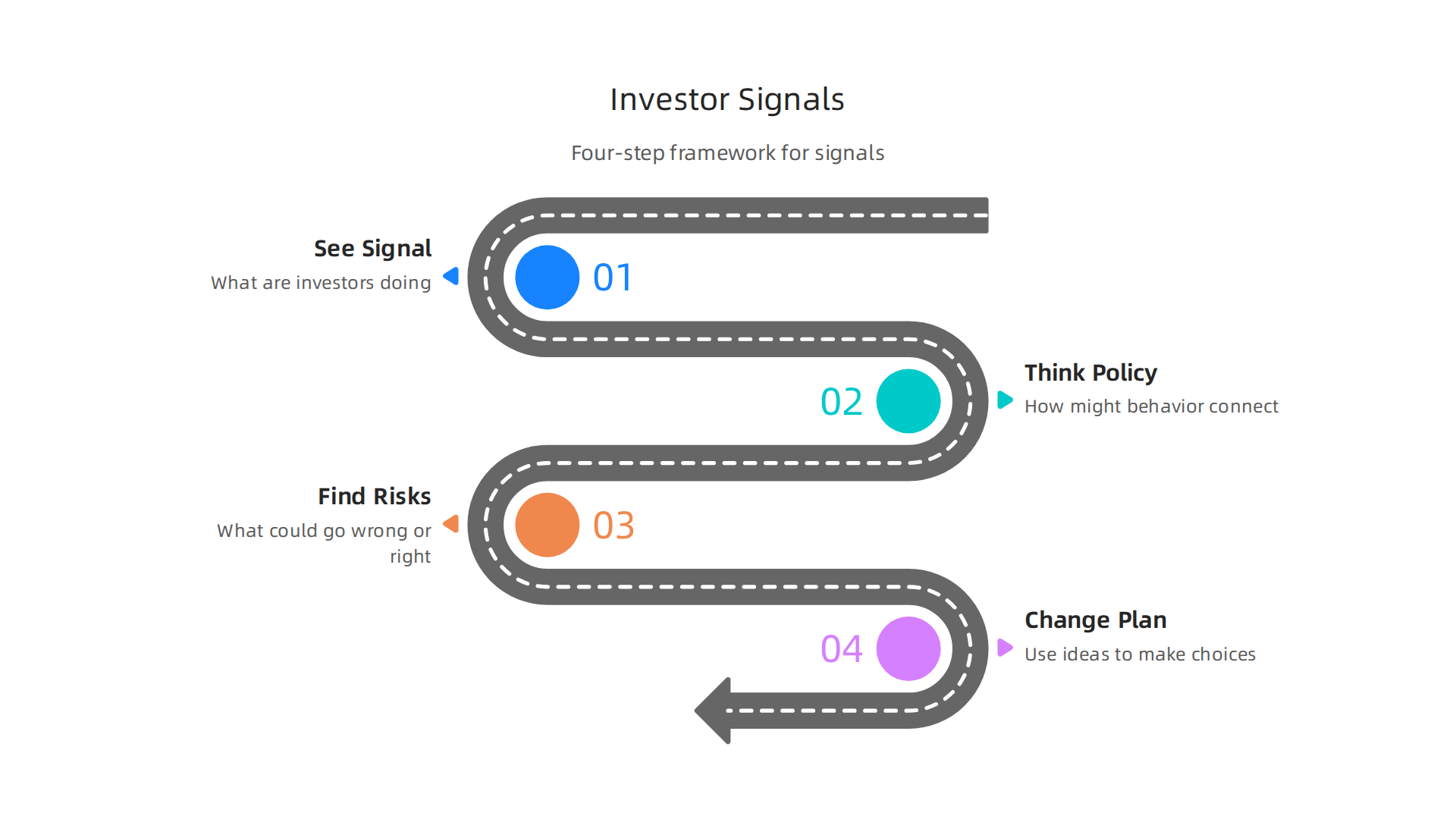
- See the Signal: What are investors doing? Is a certain type of tech company getting a lot of funding? Are big companies buying many smaller ones in a specific sector? For example, are you seeing many startups get funding? You can learn more about how policy helps create these new business ideas in our article on how policy creates powerful entrepreneur ideas for 2026 startups.
- Think About Policy: How might this investor behavior connect to current or future rules? If investors are pouring money into AI, do they think the technology meaning of AI will be clearly defined by governments, making it safe to invest? Or are they betting that regulations will be light?
- Find Risks and Chances: Based on the policy thoughts, what could go wrong or right? If everyone is investing in a tech that later gets hit with tough new rules, that’s a risk. If a company already follows strict rules for a new technology, it might have a big chance to do well.
- Change Your Plan: Use these ideas to make smart choices. For example, if you are an investor, you might decide to put more money into companies that focus on making their products secure and private from the start. If you are a company, you might invest more in legal teams to understand future rules better. Many companies are looking for ways to secure startup funding in 2026 with platform verification and policy to grow safely.
By carefully watching investor signals, everyone involved in the tech exchange can better understand and prepare for the fast-changing world of technology policy.
To keep up with the quick pace of changes in AI and technology policy, make sure you’re getting the most up-to-date information.
The AI Newsletter Worth Reading
After understanding investor signals, the next big step for any company in the tech exchange is to take real, practical actions. This means making sure your company follows all the rules and handles risks well. In 2026, regulators are looking closer than ever, moving from just asking if you have a plan to checking if your plan actually works.
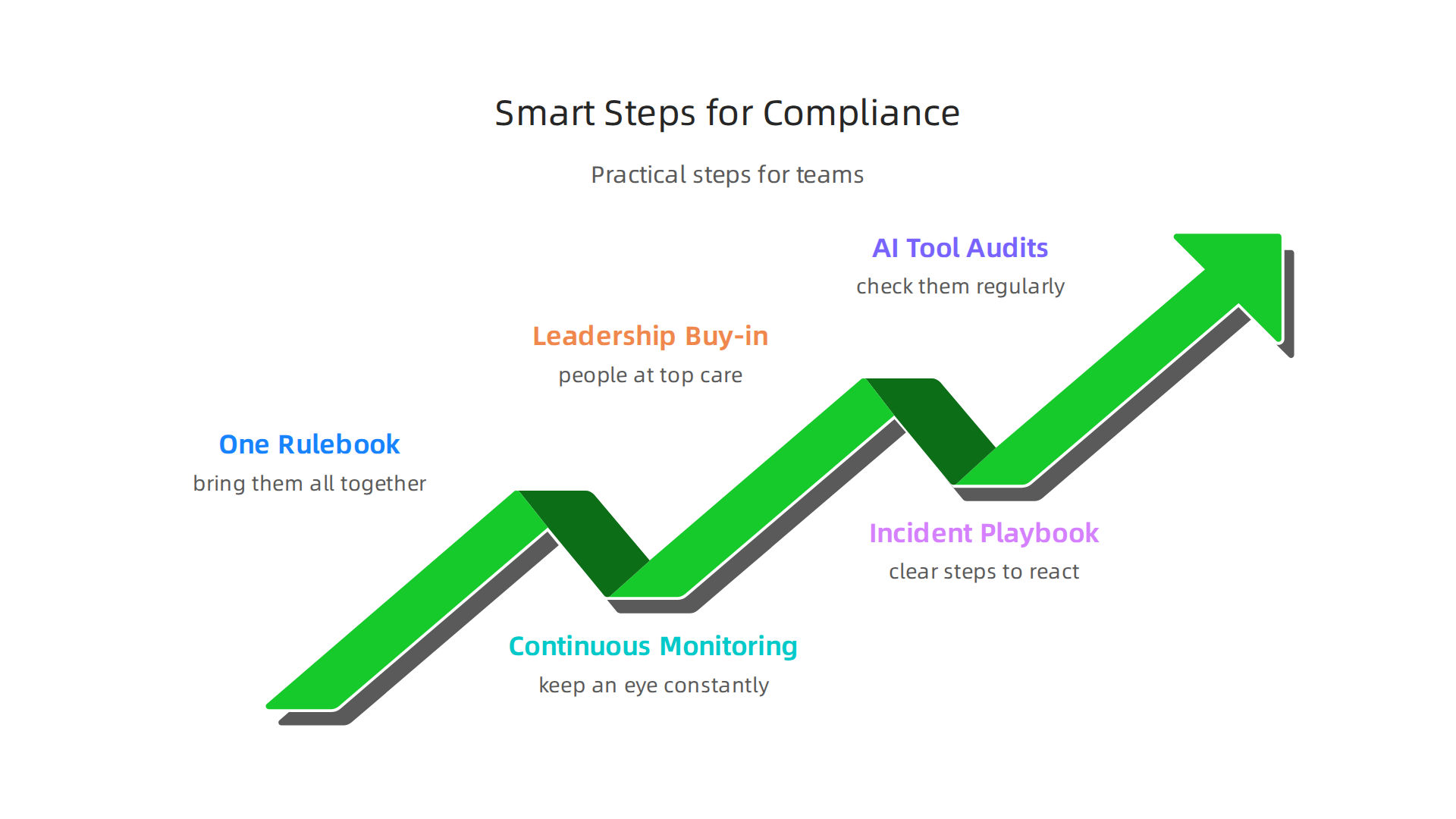
Smart Steps for Staying Compliant
Here are some important things teams should do to keep up with changing rules and keep risks low:
-
Build One Rulebook: Instead of having separate rules for different areas, bring them all together. Think about cybersecurity, data privacy, AI, and environmental rules. When you link these together, it helps make sure everything is consistent and nothing is missed. This idea of bringing different rules together is called regulatory convergence, and it is a key trend in 2026, especially across tech, environmental, social, and governance (ESG) areas, as many experts note. For example, building unified control frameworks helps make sure your company is protected from all sides.
-
Watch Things All the Time: It’s not enough to check your rules once a year. You need to keep an eye on things constantly. For example, if your company deals with digital money, you need to always check who your customers are (Know Your Customer, or KYC) and watch their transactions (Know Your Transaction, or KYT). This helps spot problems early. The way we look at governance is also changing, moving towards constant checks instead of just occasional ones, especially with new alpha technology and emerging technologies examples like AI. This continuous watching is a top compliance trend for 2026, pushing for more auditable, clear systems. You can learn more about how AI governance helps with these checks.
-
Get Leaders Involved: The people at the very top of your company need to care deeply about following rules. They should guide the company and make sure everyone understands why being compliant is important. This helps create a strong culture where following rules is a top priority, which is one of the main concerns for compliance in 2026, especially for things like AI and working with other companies. A strong culture of compliance comes from the top down, meaning senior leadership must be actively involved in oversight and setting a clear example for everyone to follow.
-
Plan for What If: What happens if something goes wrong, like a data breach or a new rule that changes how you do business? Your team needs clear steps for how to react. These plans should involve different parts of the company working together. This is very important for handling risks, especially when dealing with personal information across different countries, which has higher risks in 2026 due to new laws. Understanding how to build AI securely and compliantly is a good starting point.
-
Audit AI Tools: If your company uses AI tools, you need to check them regularly. The government has new standards, like the NIST standards, for how AI agents should work. This means making sure each AI tool has its own identity, only does what it’s supposed to, and records every action it takes, especially if it changes data or uses other tools. This helps make sure your company’s use of new technology meaning is safe and responsible, aligning with NIST Agentic AI Standards: Enterprise Compliance Implications.
Fitting Your Rules to the World’s Rules
It’s clear that regulators are becoming more active and expect companies to not just have policies, but to show that those policies actually work. Regulators are shifting their focus from just talking about AI policy to actually enforcing it. This means companies need to connect their own internal rules with what’s happening outside in the world of regulations. This change in focus, from policy design to enforcement, is essential for new technology areas. Many firms in 2026 must be ready for this shift, as highlighted by a report on Regulators must shift focus from AI policy design to implementation and enforcement.
Using a well-known guide like the NIST Cybersecurity Framework can help your company manage cybersecurity risks. These kinds of frameworks provide a clear roadmap for how to identify, protect, detect, respond to, and recover from cybersecurity threats, making sure your company stays strong in the face of new challenges. The World Federation of Exchanges also has best practice guidelines for cyber security compliance that can help guide organizations operating in the tech exchange.
By taking these steps, organizations can better handle the complex and changing world of technology rules. This allows them to manage risks, avoid problems, and continue to grow safely in the tech exchange.
To keep growing safely in the dynamic world of the tech exchange, companies must not just follow today’s rules but also look ahead.

It’s like checking the weather forecast before a big trip. Knowing what might come helps you plan better and stay ahead in the busy marketplace. In 2026, there are clear signs to watch that can tell us a lot about future rules and changes.
Future Signals: What to Watch in Policy and Market Developments
Smart companies pay close attention to certain clues that point to upcoming changes in laws and markets. These clues are like hints that can help leaders make good decisions.
1. Keep an Eye on New Laws Being Made
Governments around the world are always working on new laws, especially for alpha technology and other emerging technologies examples like AI. You can watch what’s on their calendars:
- Legislative Calendars: This means looking at what laws different countries and regions are planning to pass. For example, in 2026, we see new talks about competition rules in Europe and the UK, and also changes in digital policy around the world. These updates are tracked in reports like the Global Digital Policy Roundup: March 2026 and the Tech Policy Unit Horizon Scanner – February 2026.
- Antitrust and Competition: Regulators are looking at how big companies use their power, especially in digital markets and with AI. There’s a big push to update rules, as seen in the Global Antitrust Enforcement Outlook 2026.
- Data Privacy: Laws about how companies use your personal information are changing fast. In 2026, protecting global data is a big topic. You can learn more about these changes in the 2026 data law trends report.
2. Watch for New Standards and Guidelines
Sometimes, before new laws are made, groups create guidelines or standards for new technology meaning. These can show what lawmakers are thinking. For instance, there are new rules being set for AI systems. Staying informed about these helps you understand where official policies might go next. For a deeper dive into the global picture, check out a global comparison of AI regulations.
3. Pay Attention to Issues Across Borders
When companies operate in many countries, they have to deal with different rules. Things like moving data from one country to another can be tricky. In 2026, companies moving American personal information across borders face heightened regulatory litigation risks. Also, how different countries handle competition among businesses is a big deal. For example, the EU, UK, and US are all looking closely at these areas.
4. Talk to Experts
One of the best ways to get ahead is to talk to people who know a lot about these areas. Expert interviews can give you early insights into future changes in tech and policy. These talks help you understand what’s really happening and what might happen next, especially with new tools and services. Many are already seeing how expert interviews for leaders provide 2026 tech insights.
Your Checklist for Turning Signals into Actions
To make sense of all these signals and plan for the future, here’s a simple checklist for decision-makers:
- Read Policy News Daily: Make it a habit to look at updates on new laws and regulations. Knowing about these changes can help you spot opportunities for your business. For this, The AI Newsletter Worth Reading offers clear daily updates.
- Identify Key Changes: Don’t just read everything. Pick out the changes that will affect your company the most. What are the big shifts in areas like data use or new AI rules?
- Think "What If?": Imagine different future situations. What if a new law makes something you do harder? What if it opens up a new chance for your business? This helps you get ready for anything.
- Talk to Your Team: Share what you’ve learned with your team. Make sure everyone understands what might be coming and how your company plans to handle it. You might want to explore how to become a tech savvy policy professional.
- Update Your Plans: Use these signals to adjust your company’s plans. This could mean changing how you develop products, how you talk to customers, or how you work with other businesses in the tech exchange.
By actively looking for these signals and having a plan, companies can better prepare for the future. It helps them move forward with confidence and stay strong in a world where technology and rules are always changing.
Summary
This article explains the concept of a "tech exchange" — the interconnected marketplace where technologies, data, products, investors and policy interact — and why understanding it matters for businesses, investors and regulators in 2026. It maps how tech exchanges operate (data trading, product sales, investments and knowledge sharing), who participates (companies, investors, governments, developers), and the market signals to watch such as liquidity, pricing and concentration. The piece reviews the fast‑evolving regulatory landscape — competition law, data protection and export controls — and the added complexity of differing national rules. It then outlines how companies are responding with new business models, stronger compliance teams, privacy tools and AI for regulatory monitoring. The article shows how investor behavior (funding rounds, M&A, trading) offers leading and lagging signals and provides a simple four‑step framework to convert those signals into action. Finally, it offers practical steps — unified rulebooks, continuous monitoring, leadership engagement, incident planning and AI audits — and the policy signals leaders should track to stay ahead.