
Why questions about AI detectors in colleges matter now
In 2026, artificial intelligence (AI) tools have changed how students write and learn. Many students now use these smart tools for things like "AI powered homework help" to draft essays, brainstorm ideas, or even fix grammar. This fast adoption of AI writing tools has made colleges and universities wonder how to keep schoolwork fair and honest. Schools want to make sure students are doing their own thinking and writing, not just having a machine do it for them. This creates a big question for many: "what AI detector do colleges use?"

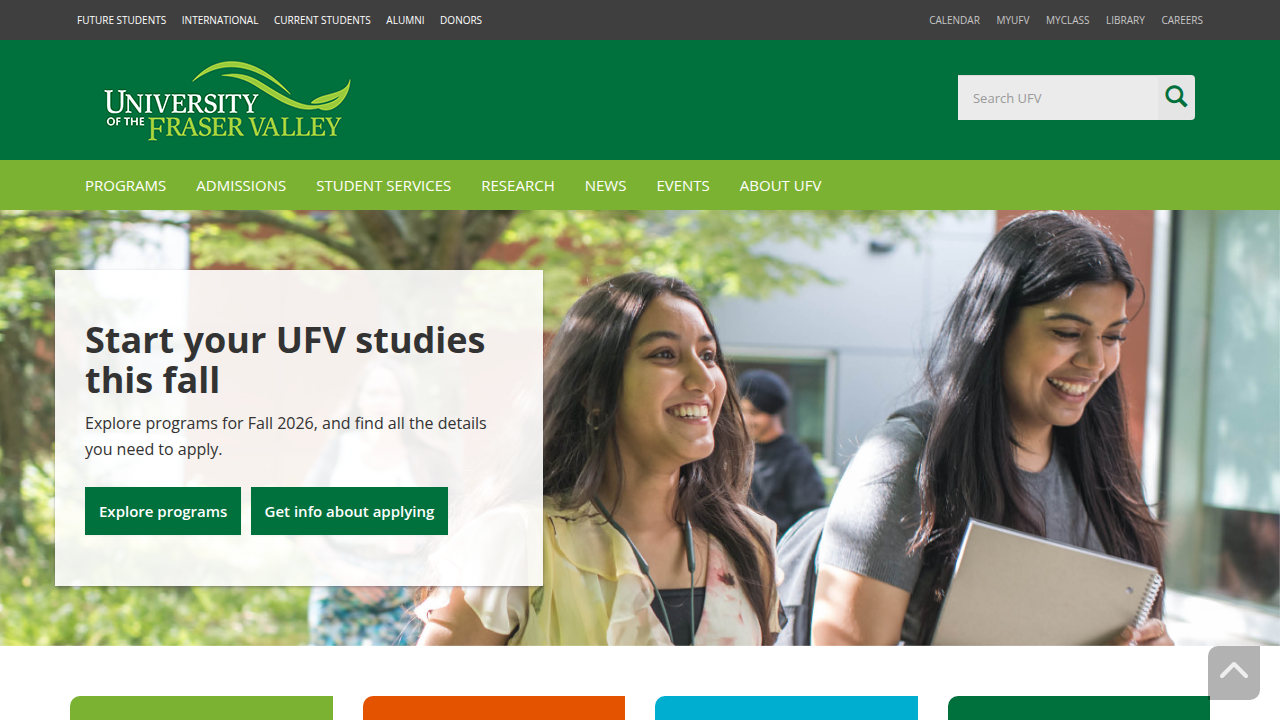
The push to keep academic honesty strong means schools are looking for ways to check if AI was involved in student assignments. Some universities have started using special software to identify AI-generated content in submitted papers, like the University of Newcastle which approved Turnitin’s AI detection capability in the past, or UCQ which planned to use plagiarism tools for AI detection. Other universities are being very careful, though. For example, some colleges have even decided not to use AI detection tools at all, because these tools can sometimes be wrong and accuse students unfairly. The University of the Fraser Valley, for instance, advises against using AI detection tools because they can be unreliable and cause more harm than good AI Guidelines.
This article will help you understand the different kinds of AI detectors that exist and why colleges might use them. We will also look at the important rules and policies colleges are setting up. It is not always simple, as schools face ethical choices about how to use these tools fairly for both students and teachers. Understanding these changes is key for anyone involved in education as we navigate the exciting new world of AI. If you are interested in broader changes happening with AI, you can explore more about AI Trends 2026.
For daily updates and deep dives into AI and technology policy, make sure you get The AI Newsletter Worth Reading.
What AI detectors are colleges actually using?
Now that we know why schools care about AI in homework, let’s look at the specific tools they are actually using. Many people wonder, "what AI detector do colleges use?" The truth is, there isn’t just one answer. Colleges choose from different kinds of tools, and their choices depend on many things.
Most colleges that use AI detection tools often pick from a group of popular ones.
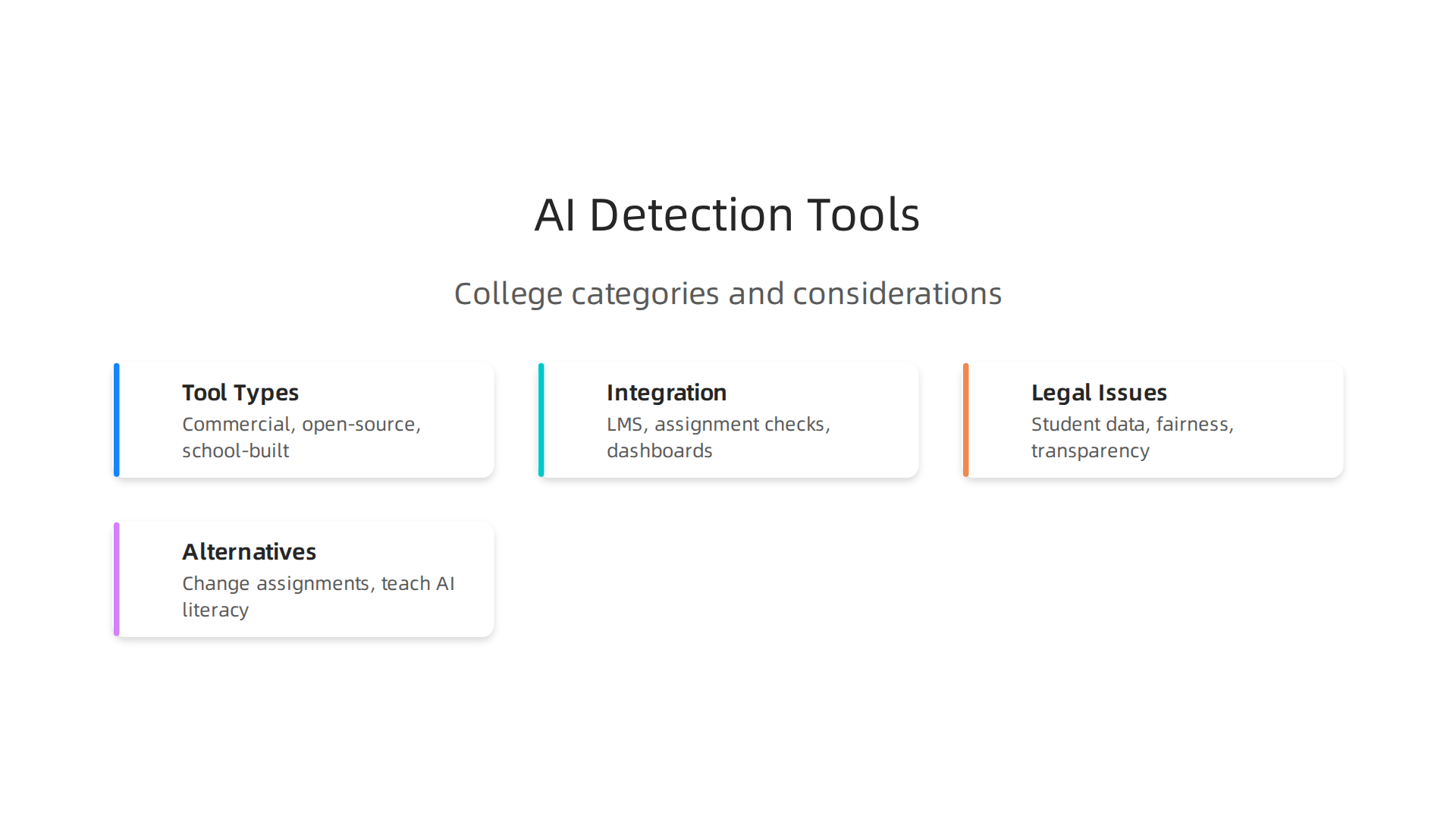
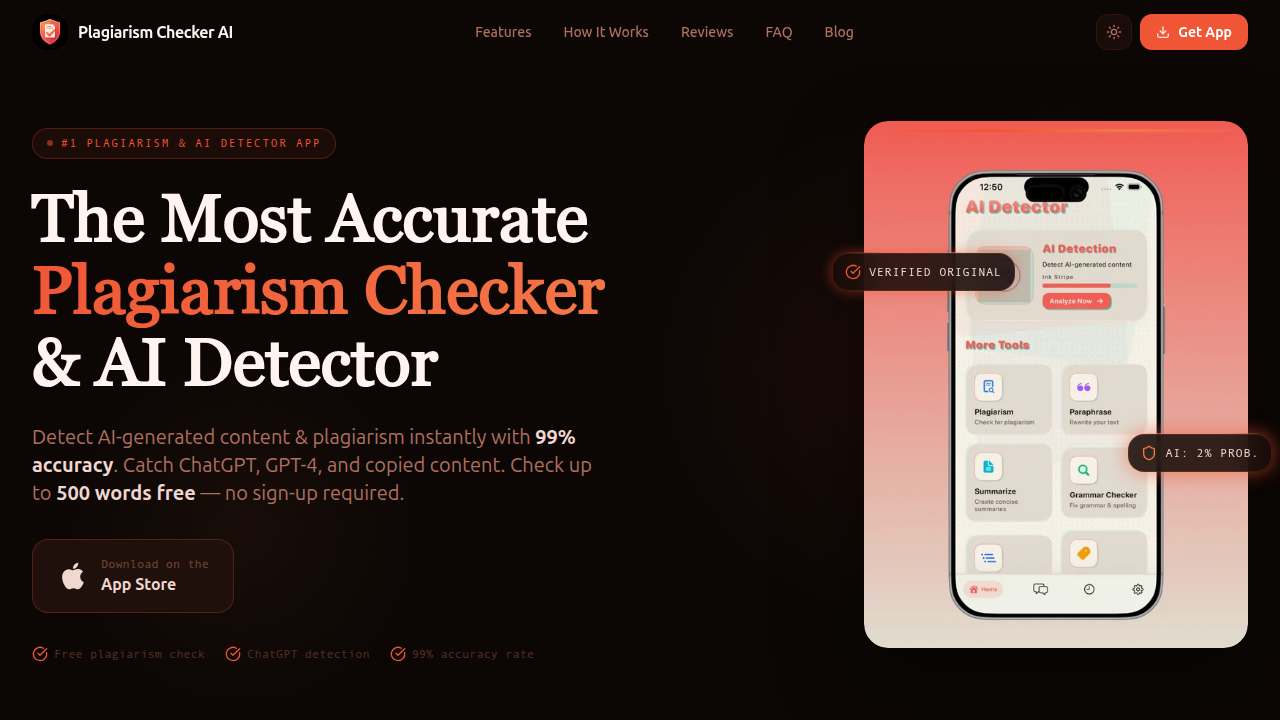
These are called commercial proprietary detectors. They are made by companies specifically to find AI-written text. In 2026, some of the most used tools include Turnitin, Copyleaks, GPTZero, and Winston AI. Turnitin has been a big name in schools for a long time for checking for copied work, and now it also checks for AI. But other tools like Copyleaks have grown quickly because they offer good prices and features AI Detection Tools and Academic Integrity in 2026. Some tools like GPTZero were even started by students and are now used by big universities What AI Detector Do Colleges Use in 2026? Every Tool Ranked.
Besides these popular tools, there are also:
- Open-source classifiers: These are free tools that anyone can use or change. Colleges might use them to test things out, but they are not usually the main tool for checking all student work.
- Institution-built checks: Some schools might try to create their own ways to check for AI. This could be a special program or just a set of rules for teachers to follow when they grade papers.
So, how do colleges pick which of these tools to use? It is a big decision, like how any company chooses new tools. They think about a few key things:
- Cost: How much does the tool cost? Some tools, like Turnitin, might charge extra for AI checking, which can make schools push back AI Detection Tools and Academic Integrity in 2026. Colleges have budgets, so they need to find something that fits. Public universities in the US, for example, have spent millions on these types of tools What Universities Spend on AI Detection — $15M+ in Data.
- Integration: How well does the tool work with the systems the school already uses? It is best if it can easily connect to their online classrooms or grading programs.
- Perceived Accuracy: Colleges want tools that are good at finding AI text without making mistakes. But this is tricky. Research in 2026 shows that even the best tools can sometimes be wrong, especially when students mix their own writing with a little bit of AI help. Many completely AI-generated texts can be identified, but mixed texts are harder Universities are relying on AI-detection software to catch cheating. How well do the programs work?. It’s a big problem if a student gets accused wrongly. This issue makes many schools think carefully about using these tools, even if they want to encourage fair learning and help students with "AI powered homework help" in the right way.
Understanding how colleges make these choices helps us see the bigger picture of mastering AI in education. It is not just about having a tool, but about picking the right tool that fits the school’s needs and values. If you’re interested in the choices AI development companies face, learn more about How an AI Development Company Navigates Regulation.
How universities incorporate detection tools into academic-integrity workflows
After a college decides which AI detection tools to use, the next step is figuring out how these tools fit into their daily teaching and learning. It’s not just about having the tool; it’s about how they use it to keep learning fair for everyone. This includes where students submit their work and what rules are in place if AI is detected.
Where AI Detection Fits In
Most universities link their AI detection tools directly into their existing systems. Here are the main ways they do it:
- Learning Management System (LMS) Integration: This is very common. The AI detector often works with online learning platforms like Canvas or Blackboard. When students submit papers or projects through these systems, the AI tool can automatically scan them. This makes it easy for teachers to check every piece of work without extra steps.
- Assignment-Level Checks: Teachers can often choose to turn AI detection on or off for specific assignments. For example, a creative writing assignment might have different rules than a research paper. Some universities, like the University of Newcastle, guide staff to only use approved platforms like Turnitin for AI detection, not other external tools University of Newcastle Generative Artificial Intelligence and Academic Integrity.
- Instructor Dashboards: After a scan, teachers see a report in a special dashboard. This report shows how much of the text might be AI-written and highlights the parts that seem to be. It’s like a warning sign, not a final judgment. For example, Universiti Malaya’s policy states that examiners may use software to detect unauthorized AI use, but they must also use caution Universiti Malaya academic policy on artificial intelligence (AI).
- Honor Code Procedures: The results from AI detectors often become part of the school’s honor code process. If a paper is flagged, the university follows its rules to decide what happens next. This often means a talk with the student and teacher, and maybe a dean or a special committee.

This is part of how colleges encourage students to be honest and embrace "mastering AI" in an ethical way.
How Policies Vary from School to School
How schools talk about and act on AI detection can be quite different:
- Explicit Disclosure vs. Covert Scanning: Some colleges tell students upfront that their work will be scanned for AI. They put it right in the course syllabus or student handbook. For example, Liberty University updated its "Liberty Way" to set clear rules for students on using AI ethically Artificial Intelligence and Academic Integrity Faculty. Other schools might scan work without directly telling students every detail. However, some policies warn students not to submit work to external detection tools themselves, as this can create problems like false positives Academic integrity policy 2026.
- Appeals and Adjudication Pathways: Because AI detectors are not perfect and can sometimes make mistakes, colleges need clear ways for students to challenge a detection. These are called appeal pathways.
- Many reports in 2026 highlight that these tools can have high rates of false positives, meaning they wrongly flag human-written text as AI-generated AI Detection Reliability: How Much Can We Trust These Tools?. This is a big concern, especially for students whose first language isn’t English, who may be wrongly accused more often AI Detectors Fail Diverse Student Populations.
- Because of these concerns, some universities have even decided to stop using AI detection or have disabled certain features. Some guidelines suggest that schools should avoid using AI detection tools to investigate cheating at all, as they are not reliable and can cause more harm than good AI Guidelines.
- When an AI detector flags a student’s work, a good process allows the student to explain their work, show their drafts, and prove their originality. It means relying on human judgment, not just the software.
Understanding these workflows shows that using AI detection is more than just running a program. It involves careful thought about fairness, student support, and the limits of technology in education.
Keeping up with the changing world of AI and its rules can be tricky.
For daily, clear updates on AI and technology policy, make sure you get The AI Newsletter Worth Reading. You’ll find deep insights and analysis to help you stay ahead.
Keeping up with the changing world of AI and its rules can be tricky. This is especially true when we think about how good these AI detection tools actually are. Colleges need to know the truth about what these tools can and cannot do.
How accurate are AI detectors – limitations, false positives, and research findings
When colleges use tools to find AI writing, a big question comes up: how well do these tools really work? It’s important to understand that no AI detector is perfect. They all have their limits, and sometimes they make mistakes. This means they can flag human-written text as AI-generated (called a false positive) or miss text that was actually written by AI (a false negative).
What the Research Shows About Accuracy
Many studies in 2026 have looked into how accurate AI detectors are. Here’s a look at what they found:
- Mixed Results: Some tools, like GPTZero, have shown high accuracy, sometimes as high as 97.22% with very few false positives in certain tests The accuracy-bias trade-offs in AI text detection tools. But other tools, like ZeroGPT, performed much worse in the same study, with an accuracy of only about 64% and many more false positives.
- False Positives are a Big Problem: This is when a student’s own work is wrongly flagged as AI-generated. Studies show that all AI output detectors have some level of false positives, which creates risks for students and researchers Can we trust academic AI detective? Accuracy and limitations. One report from 2026 found that some commercial AI detectors reported a false positive rate below 4% at the sentence level and below 1% at the document level Why AI-Generated Text Detection Fails. However, other studies have found much higher rates. For example, essays by non-native English speakers are often wrongly flagged as AI-written AI Content Detector Report 2026.
- Difficulty with Different Writing Styles: AI detectors can struggle with formal or structured writing, like scientific reports or lab assignments. In 2026, tools sometimes mistake technical words and common scientific phrases for AI-generated text, leading to false positives for students AI Detection in Lab Reports and Scientific Writing.
- Easy to Trick: Actually, many AI detectors can be fooled. Simple methods like paraphrasing, changing a few words, or even just adding small mistakes can help AI-generated text pass as human-written Simple techniques to bypass GenAI text detectors. Some researchers have even found ways to adjust AI models so that their output reliably avoids detection structural shifts in AI writing bypass state-of-the-art detectors. This is a big challenge for what AI detector do colleges use.
What This Means for Colleges
Because of these limitations, many experts agree that AI detector scores should only be seen as a warning sign, not a final decision. Here’s what that means in practice:
- Human Review is Key: If an AI detector flags a student’s work, a teacher or another person should always look at it closely. They need to talk to the student, ask about their writing process, and check drafts or notes. This relies on human judgment, which is always more important than a software score.
- Focus on the Writing Process: Instead of just checking the final paper, schools are finding it more helpful to focus on how students write. Asking students to show their outlines, drafts, and explain their ideas can help prove their work is original How Do Professors Detect AI in 2026?.
- Staying Updated: The world of AI is changing fast. What AI detector do colleges use today might not be as good tomorrow. This means colleges and policy professionals need to stay informed about the latest AI trends and how they affect detection tools. Understanding these changes can help you navigate the complex landscape of technology regulation and its impact.
The bottom line is that while AI detectors can be a helpful starting point, they are not perfect. Colleges must use them carefully, always with human judgment and fair processes, to truly embrace "mastering AI" in an ethical way and support all students. To stay ahead of the curve, it is vital to keep up with the latest information technology policy shifts.
After talking about how AI detectors work and their limits, it’s clear that using them also brings up important questions about laws, privacy, and student rights. Colleges need to think carefully about these things to make sure they are fair to students and follow the rules.
Legal, privacy, and student-rights considerations for colleges using detectors
When colleges decide what AI detector to use, they must think about more than just how accurate the tool is. They also need to consider legal and privacy issues. These tools often handle student work and personal information, which brings up big questions about how that data is kept safe and how students’ rights are protected.
Key Legal Questions for Colleges
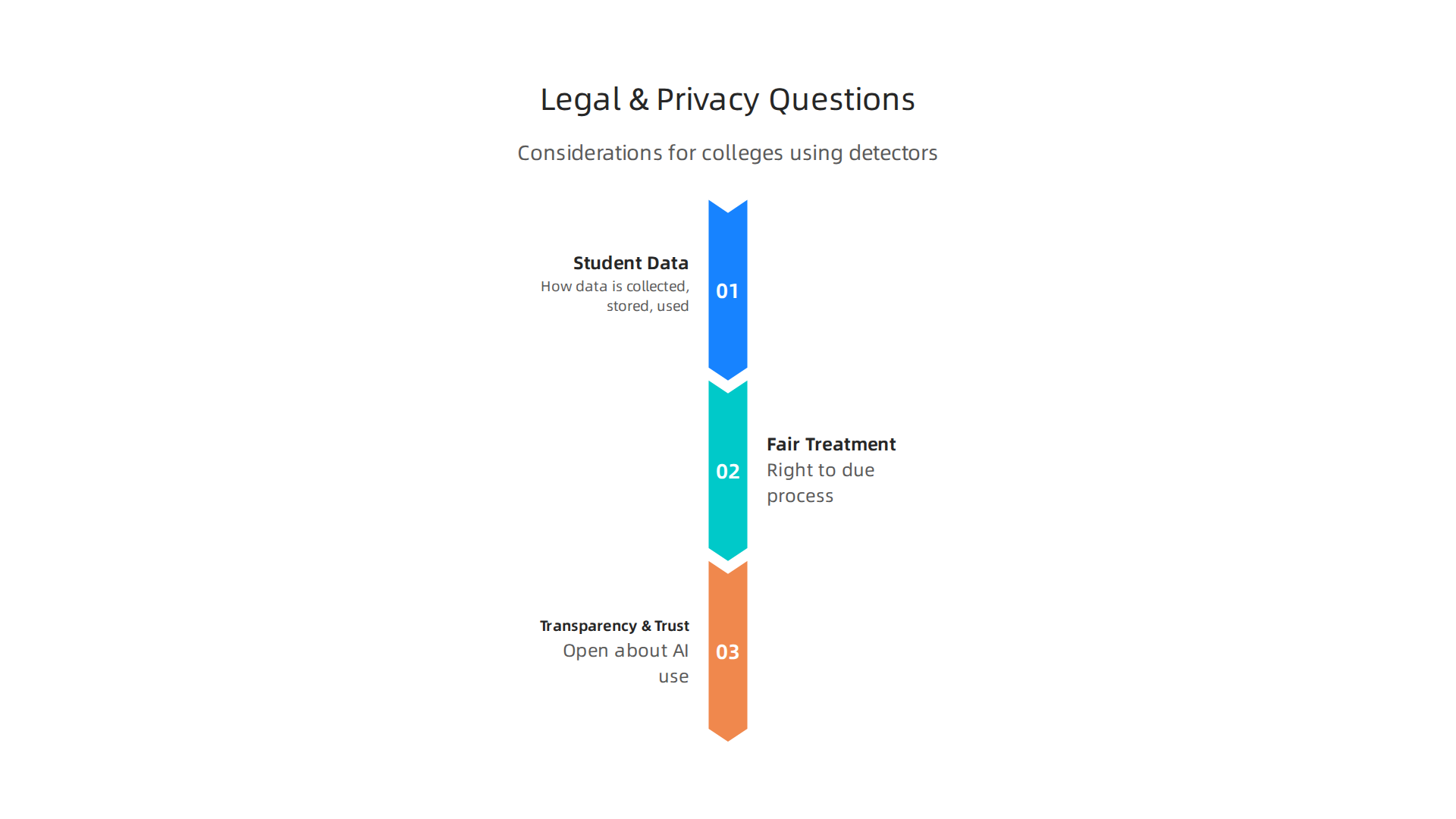
- Handling Student Data: First, colleges must understand how AI detection tools collect, store, and use student data. Who can see this information? How long is it kept? And what steps are taken to keep it private? Laws like FERPA in the United States protect student education records, meaning colleges have a duty to keep this information safe. Other countries have similar data protection rules. For example, in 2026, the UK government emphasized that personal data must be protected when using generative AI tools in education and should ideally not be used at all unless strictly necessary Generative artificial intelligence (AI) in education.
- Fair Treatment for Students: If an AI detector suggests a student used AI, what happens next? Students have a right to be treated fairly, which is called "due process." This means they should be told clearly why their work was flagged, have a chance to explain themselves, and appeal any decisions. Since AI detectors can make mistakes, colleges must have clear and fair steps in place before accusing a student of cheating.
- Transparency and Trust: Students and their families need to know what AI tools colleges are using and how these tools work. Being open about these practices helps build trust and makes sure everyone understands the rules.
Government and Education Guidance
Around the world, different groups are working on rules and guidelines for AI in schools. These trends help colleges understand what is okay and what is not.
- State-Level Laws: In the US, many states are creating their own laws about AI in education. In 2026, over 130 bills about AI in education were introduced across 31 states. These laws often focus on keeping student data private, setting limits on how AI can be used in classrooms, and adding AI into school subjects AI in Education Legislation: 2026 State Policy Trends. For instance, Maryland released guidance in 2025 focusing on cybersecurity, student data, and privacy for schools implementing AI artificial-intelligence-guidance-a.pdf.
- International Standards: Organizations like UNESCO have also shared important guidelines for governments on how to manage AI in schools, covering things like fair use, data protection, and the role of teachers UNESCO Issues Comprehensive Guidance for Governments on AI in Education. The European Commission also put out guidelines in 2026 about using AI and data ethically in teaching and learning AI and education: the European Commission publishes its Ethical Guidelines.
- Moving from Guidance to Standards: Some places are even changing their advice into strict rules. For example, the Department for Education (DfE) in the UK has moved from offering general training to setting specific standards for AI use in education. Standards mean schools must meet certain minimum requirements New DfE AI Standards. This shows a growing need for clear, strong rules to ensure AI is used responsibly.
These guidelines help colleges navigate the tricky world of technology policy and make choices that are both innovative and safe for students. Staying on top of these changes is a must for any school or policy professional today. To get daily updates and in-depth analysis on these crucial topics, consider subscribing to The AI Newsletter Worth Reading. Staying informed about global AI regulations and privacy rules is key to making sure colleges use these tools in a helpful and fair way. Professionals can find more information on how to navigate these changes by exploring resources on tech policy 2026.
Beyond just what the law says, colleges using AI detectors also face big questions about what is fair and right. These tools, no matter what AI detector do colleges use, can cause problems that hurt students and change how they learn.
Problems with Bias and Unfairness
One of the biggest worries about AI detectors is that they can be unfair. Sometimes, these tools make mistakes and flag human-written text as if it was made by AI. These are called "false positives." A study in 2026 found that AI detectors can often make false positive errors, especially with certain types of writing or for some students AI Detectors Fail Diverse Student Populations.
A major issue is the unfair impact on students who are not native English speakers. Research shows that AI detectors are much more likely to incorrectly flag essays written by non-native English speakers as AI-generated. For example, some tools had a very high false positive rate, sometimes as high as 61.3%, for essays from non-native English speakers AI Content Detector Report 2026: 70+ Sourced Stats. This can happen because these students might use different writing styles or sentence structures that the AI tools wrongly see as "AI-like." This means students who are already working hard to write in a second language could be unfairly accused of cheating.
Also, AI detectors often struggle with complex or formal writing, like that found in science papers or lab reports. In 2026, many detectors mistakenly flagged standard technical writing as AI-generated, causing false alarms for students doing honest work AI Detection in Lab Reports and Scientific Writing.
How AI Detectors Can Stop Learning
When students worry about being wrongly accused, it can change how they approach their schoolwork. This is known as a "chilling effect." Students might be scared to use tools that offer AI powered homework help, even if they use them in an honest way like for brainstorming ideas or checking grammar. This fear might also stop them from learning how to use AI for good, like for research or creative writing, which could be important skills for their future. Colleges need to think about how these tools might make students less creative or less likely to try new things.
Better Ways to Check Student Work
Instead of relying too much on AI detectors, which can be wrong, colleges can try other methods to support learning and prevent cheating:
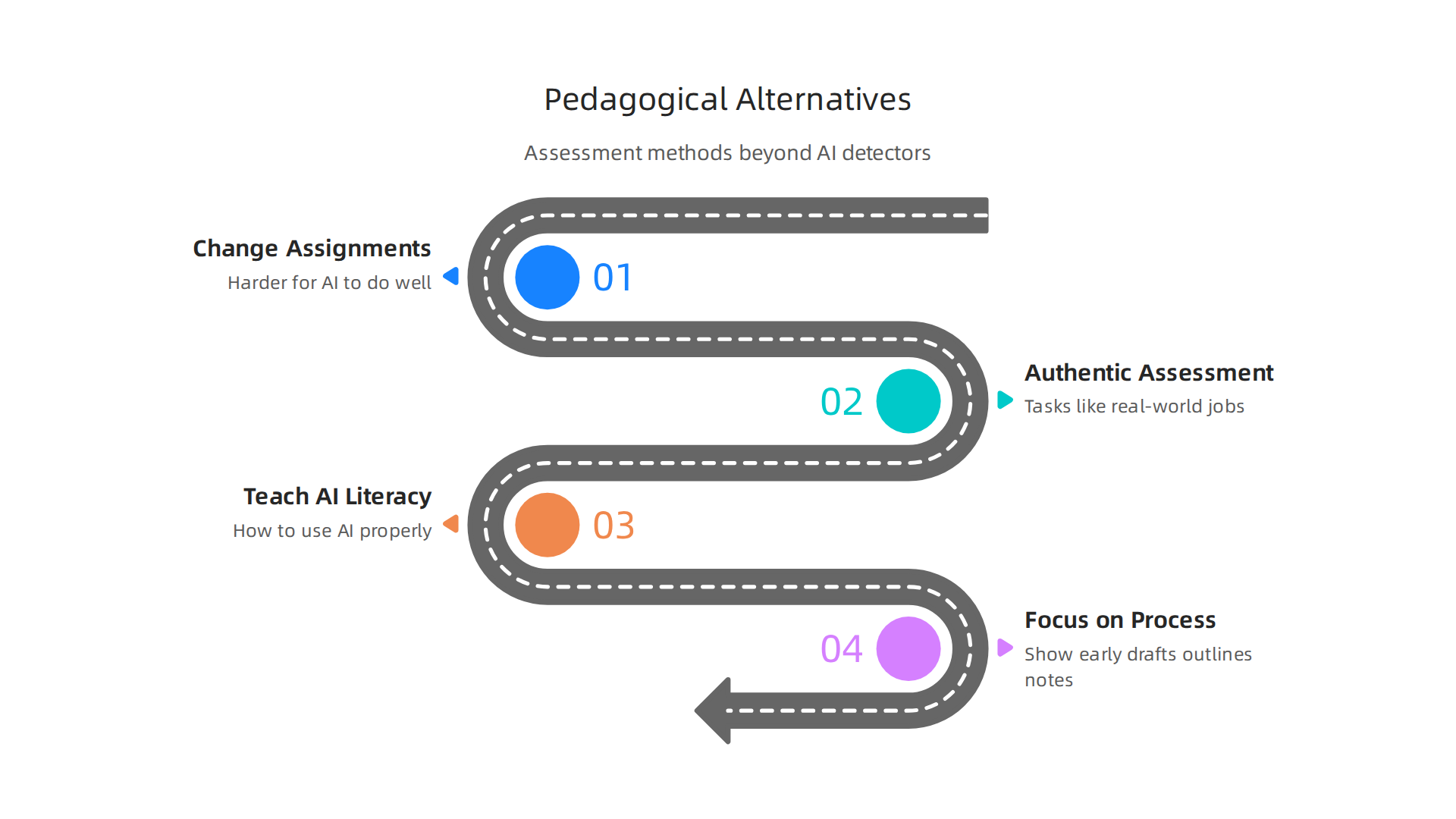
- Change Assignments: Teachers can design assignments that are harder for AI to do well. This means asking for more personal thoughts, real-world examples, or reflections that a machine cannot easily create.
- Authentic Assessment: Giving students tasks that are like real-world jobs helps a lot. This could be presentations, group projects, or problem-solving tasks that need human creativity and critical thinking. These types of assignments make it clear if a student truly understands the material.
- Teach AI Literacy: Colleges can teach students about AI, how it works, and how to use it properly. This means showing them how to use AI as a helpful tool without letting it do all their thinking for them. By mastering AI tools responsibly, students can learn valuable skills for the future. Helping policy professionals understand these new technologies is key to making good rules, and you can learn more about this through resources on AI Literacy for Policy Professionals.
- Focus on the Process: Teachers can ask students to show their work along the way, like sharing early drafts, outlines, or notes. This helps teachers see how a student’s ideas grow and develop, which is much harder for AI to fake.
Instead of relying too much on AI detectors, which can be wrong, colleges can try other methods to support learning and prevent cheating:
Practical Best Practices for Administrators and Instructors
For colleges and teachers to handle AI tools fairly, they should follow some helpful steps.
These steps make sure students are treated right and still get a good education.
-
Choose AI Detectors Carefully: Not all AI detectors are good. Colleges should really look into what AI detector do colleges use. It’s smart to pick tools that have been tested and shown to be fair for everyone, including students who might write differently. Some universities have even decided to stop using certain AI detection features because they were not reliable, while others have chosen to ban buying these tools altogether The AI Use Statement. Also, schools need to think about data privacy when using AI tools, especially those that process personal information Generative artificial intelligence (AI) in education.
-
Be Open with Students: It’s important to tell students if their work will be checked by AI tools. Colleges should have clear rules about how students can and cannot use AI for their schoolwork. This way, students know what to expect and can learn to use AI responsibly. These guidelines should be easy to find and understand.
-
Always Have a Human Check: If an AI detector says a student’s work might be AI-made, a teacher should always look at it closely. The AI tool is just a helper. It should not be the final judge. Experts say that AI detection tools often make mistakes and should not be used as the only proof of cheating AI Guidelines. Teachers need to use their own judgment along with the AI report. Combining AI tools with other checks, like looking at early drafts, helps professors detect AI in 2026 more accurately How Do Professors Detect AI in 2026? Tools, Accuracy ….
-
Allow Students to Explain: If a student is accused of using AI wrongly, they should have a chance to tell their side of the story. There should be a fair way for students to appeal or challenge any accusations. This helps protect students from false alarms and makes sure justice is served.
-
Check the Tools Regularly: Colleges should test their AI detectors often to see how well they work with their own students. They need to keep track of any problems, like if the tools are unfair to certain groups of students. This helps schools make sure the tools they use are actually helping and not causing more trouble. Building a good strategy for how people and AI work together, including for policy compliance, is very important Build Your 2026 AI Workforce Strategy for Policy Compliance. Also, understanding the wider tech policy landscape helps in making informed decisions about these tools. To get clear daily AI updates and help you navigate this complex landscape, you might find The AI Newsletter Worth Reading valuable.
Summary
This article explains how and why colleges are adopting AI-detection tools as campus use of generative AI grows, and why the choice and use of those tools matters. It reviews the common commercial detectors (like Turnitin, Copyleaks, GPTZero, Winston AI), plus open-source options and institution-built checks, and shows how schools connect detectors to LMSs and honor-code workflows. The piece summarizes the research on accuracy—highlighting mixed results, false positives, and how detectors struggle with mixed human/AI text and technical or non‑native writing. It outlines legal and privacy concerns (student data, due process, and evolving state and international guidance) and explores fairness problems that can chill learning. Finally, the article offers practical alternatives and best practices—transparent policies, human review, process-focused assessment, and AI literacy—to help colleges use detection responsibly and protect students’ rights while maintaining academic integrity.