

Introduction
When OpenAI released GPT-3 in 2020, it didn’t just break records. It changed how the world thinks about machine intelligence. In 2026, this model still sits at the center of global debates on regulation, ethics, and national security. Understanding the GPT-3 architecture and capabilities is essential because nearly every major policy question about artificial intelligence traces back to what this model proved possible.
GPT-3 showed that scaling up a language model could unlock skills like writing, coding, and reasoning without task-specific training. That breakthrough blurred the line between an LLM vs generative AI, because GPT-3 did both at once. It became the engine behind many generative AI programs that followed, and it set the stage for every major OpenAI news story you have read since.
But the model itself is only half the story. Its arrival forced policymakers to ask hard questions about fairness, safety, and economic disruption. Whether you are drafting new regulations or adapting a business strategy, you need a clear picture of what GPT-3 actually does and why it still matters.
This article gives you that picture. It covers how the model works, what it can and cannot do, and how its legacy continues to shape AI governance in 2026. For professionals who need to turn headlines into policy intelligence, this overview provides the foundation. And if you want clear daily updates on every twist in AI and tech policy, The AI Newsletter Worth Reading delivers insights straight to your inbox.
What Is GPT-3? The Foundation of Modern Large Language Models
So what exactly is GPT-3 AI? At its core, GPT-3 is OpenAI’s third-generation language model. It uses a decoder-only transformer architecture with 175 billion parameters. That made it the largest non-sparse language model of its time and a massive leap in scale. For a closer look at GPT-3’s architecture and use cases, the Teachfloor guide breaks down how the model works.
The model was pre-trained on hundreds of billions of words from sources like Common Crawl, books, and Wikipedia. This process taught it grammar, facts, and reasoning patterns without needing task-specific training. GPT-3 can perform zero-shot and few-shot learning, meaning it can tackle new tasks with just a few examples.
This foundation is key for policy professionals. The same scaling approach that gave GPT-3 its power also created risks like bias, misinformation, and economic disruption.

Understanding how the model was built helps you evaluate the regulations being shaped today. If you need a rigorous artificial intelligence review for policy compliance, our site offers detailed guidance.
GPT-3 also blurred the line between LLMs and generative AI programs. It showed that a single model could write, code, and reason, sparking a wave of applications of AI across industries. This is why GPT-3 remains central to every OpenAI news story about regulation and safety.
The Scale and Architecture of GPT-3
Let’s dig a bit deeper into what makes this model tick. GPT-3 uses a transformer architecture with 96 attention layers stacked on top of each other.
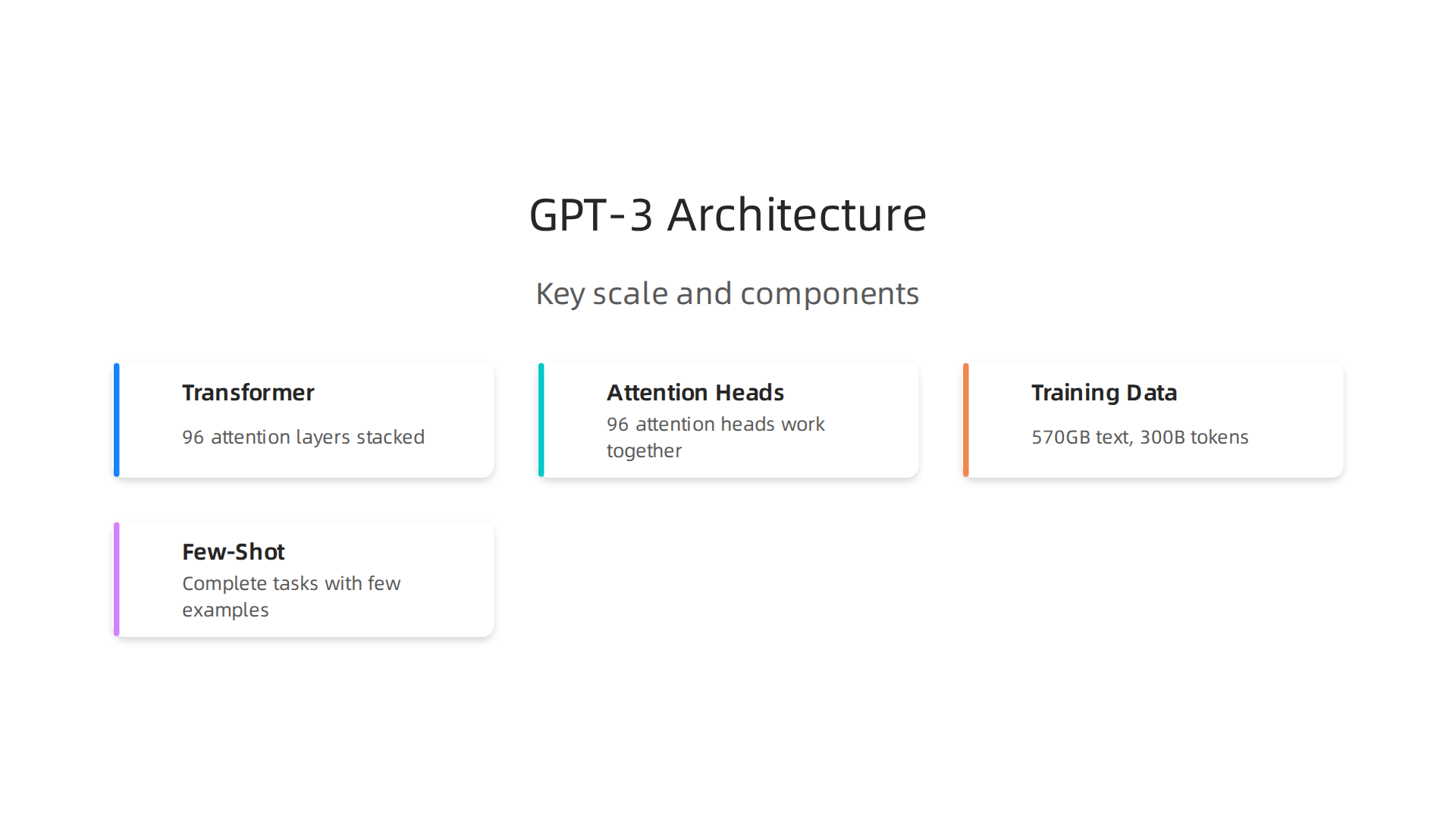
Each layer contains 96 attention heads that work together to figure out how words in a sentence relate to one another. This kind of depth is what lets the model capture complex language patterns.
The training data for GPT-3 was enormous. According to the GPT-3 training data breakdown from Wikipedia, the model learned from a filtered version of Common Crawl, plus WebText2, two book collections, and Wikipedia. All together, that’s about 570 GB of text, or roughly 300 billion tokens. That’s a lot of reading.
One of GPT-3’s standout features is few-shot learning. You can give it a short prompt with just a couple of examples, and it can complete similar tasks without any fine-tuning. This flexibility is a big part of why GPT-3 AI is so useful across so many different applications.
For policy professionals, understanding this scale matters. The same architecture that gives GPT-3 its power also creates challenges for oversight and fairness. If you want to learn more about using these tools responsibly, check out our human AI interaction guidelines for policy professionals.
Want to keep up with the latest AI news? The AI Newsletter Worth Reading delivers clear daily updates straight to your inbox.
Training Data and Methodology
So how did OpenAI actually train GPT-3? The process was massive. The team collected text from all over the internet. The OpenAI’s GPT-3 Language Model technical overview from Lambda explains that about 60% of the training data came from a filtered version of Common Crawl. That’s a huge snapshot of web pages. The rest came from WebText2, two book collections, and Wikipedia. All together, the model saw roughly 300 billion tokens of text.
Training at this scale required serious hardware. OpenAI used thousands of GPUs running for weeks. The total cost for one training run was millions of dollars. That kind of computing power is not available to most organizations. It creates a big gap between the companies that can build these models and the rest of us.
Here’s the tricky part for policy professionals. The team had to filter the data to remove low-quality or toxic content. But filtering choices are not neutral. They decide what counts as "good" language. If the training data contains bias, the model will learn that bias. This makes data curation a critical policy issue. Understanding how GPT-3 AI was built helps you ask better questions about fairness and accountability.
Want to explore how AI training data connects to real-world jobs? Check out our analysis of AI job displacement statistics and policy roadmap.
How GPT-3 Generates Human-Like Text
So what is actually happening under the hood? GPT-3 works by predicting the next word in a sequence. You give it a starting prompt, and it guesses which token (word or piece of a word) should come next, one at a time. It keeps repeating this process until it reaches a stopping point.
The real magic comes from the transformer architecture. Unlike older models that processed words one after another, GPT-3 uses something called self-attention.
This lets it look at all the words in your prompt at the same time and decide which ones are most important for understanding the context. The self-attention mechanism explained by IBM shows how each word gets a "score" of relevance to every other word. That parallel processing is what makes GPT-3 so fast and fluent.
Another powerful trick: you do not need to retrain GPT-3 for every new job. Instead, you can fine-tune it with a small dataset or simply give it a clever prompt. This flexibility is a big reason why generative AI programs exploded in popularity.
As generative AI becomes central to government and business, understanding how models like GPT-3 AI actually work is essential for shaping smart policy. Check out our look at new human AI interaction guidelines for policy professionals to see how these capabilities are changing the rules of engagement.
Want to keep up with the fast pace of AI breakthroughs? Subscribe to The AI Newsletter Worth Reading for clear daily updates straight to your inbox.
The Transformer Core
So how does GPT-3 actually turn words into meaning? It all comes down to the transformer core. Think of it as the engine that powers everything. Within this engine, two key parts work together: multi-head attention and positional encodings.
First, multi-head attention. Instead of looking at words in just one way, GPT-3 uses multiple "attention heads" in parallel. Each head focuses on a different relationship between words. One head might track grammar, another might follow meaning, and a third might spot emotions. By running all these at once, the model builds a rich understanding of every sentence. The explanation of multi-head attention on Codecademy shows how each head generates a context-aware embedding of each word, then the results combine into a single detailed representation.
Second, positional encodings. Since self-attention does not naturally track word order, the transformer adds a special signal that tells the model where each word sits in the sequence. Without this, the sentence "Dog bites man" would look the same as "Man bites dog" to GPT-3. Positional encodings solve that problem by embedding location information alongside the word meanings.
Here is the impressive part: GPT-3 uses 96 of these transformer layers stacked on top of each other. Each layer contains 96 attention heads, giving the model an enormous amount of processing power. This depth and width allow GPT-3 AI to learn incredibly complex patterns in language, from basic grammar to subtle humor and even code syntax.
These technical details matter for policy professionals too. Understanding how models like GPT-3 work helps you evaluate what they can and cannot do, which directly shapes smart regulation. Take a look at how AI job displacement statistics reveal the policy roadmap for 2026 to see how these capabilities are already reshaping the workforce.
Fine-Tuning and Prompt Engineering
Knowing how the transformer core works is one thing. But how do you actually make GPT-3 do what you need? That comes down to two practical techniques: fine-tuning and prompt engineering.
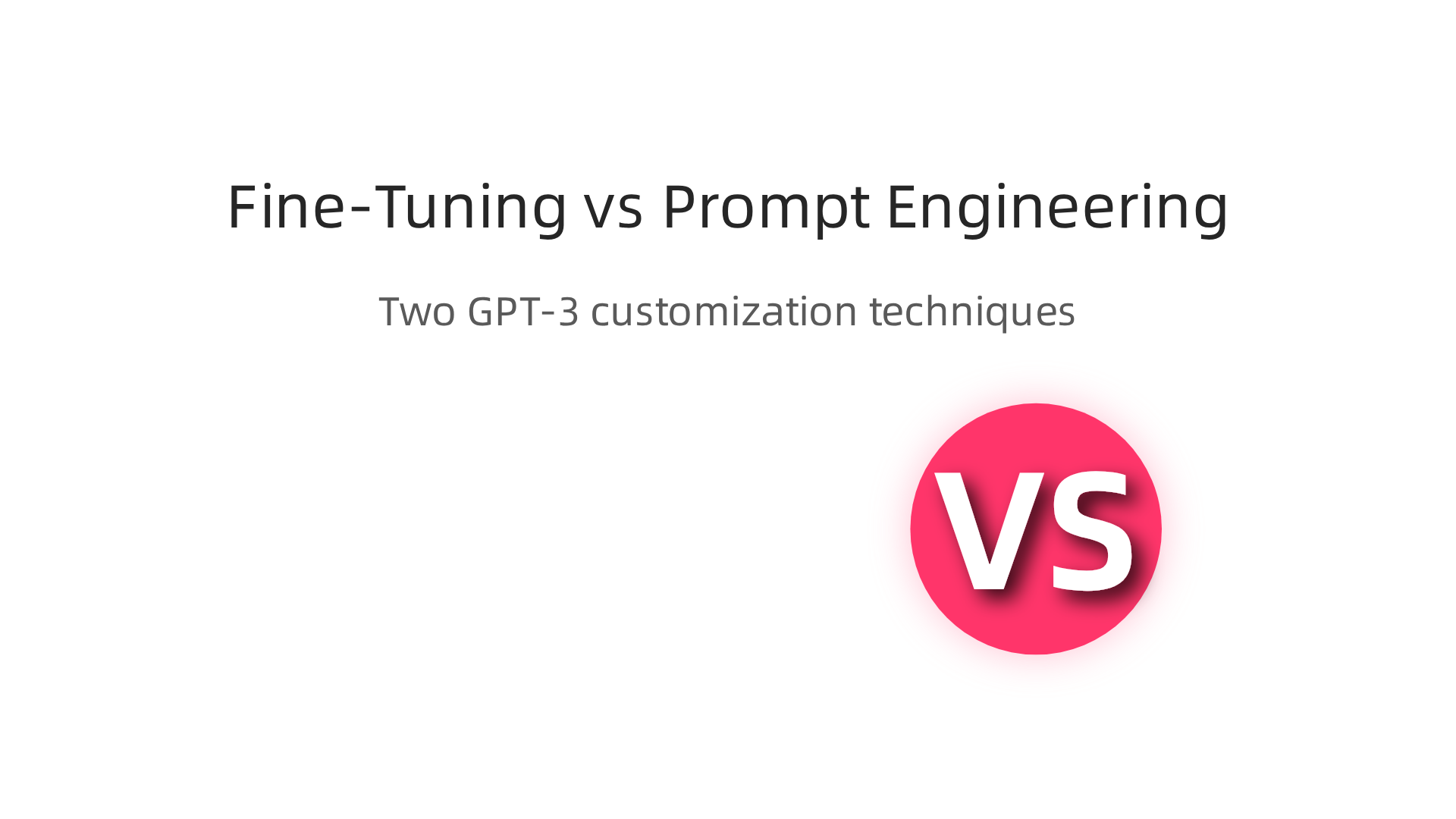
Fine-tuning takes a pre-trained GPT-3 AI model and trains it further on a smaller, domain-specific dataset. For example, a legal firm might fine-tune GPT-3 on court documents and case law. This teaches the model the specific language, tone, and knowledge required for that field. The result is a specialized tool that understands legal jargon better than the general model ever could.
Prompt engineering is different. Instead of retraining the model, you carefully design the input phrase to guide the output. A well-crafted prompt can make GPT-3 write like a policy analyst, a code reviewer, or a customer support agent. This is much faster and cheaper than fine-tuning.
Both techniques are critical for business applications and compliance. They let organizations adapt a single model for many uses without building custom AI from scratch. Understanding how the underlying transformer architecture works makes these techniques even more powerful.
For policy professionals, these methods raise important questions. How do you audit a fine-tuned model for bias? What prompts are safe for regulated industries? Exploring broader AI regulation and compliance challenges helps frame these questions in the right context.
The landscape shifts fast. Staying current on how GPT-3 and its successors evolve matters for smart oversight. Get clear daily updates with The AI Newsletter Worth Reading to keep your knowledge sharp in 2026.
Key Capabilities and Real-World Applications
Beyond fine-tuning and prompt engineering, what can gpt 3 ai actually do? Its core abilities cover text generation, summarization, translation, and even writing code.
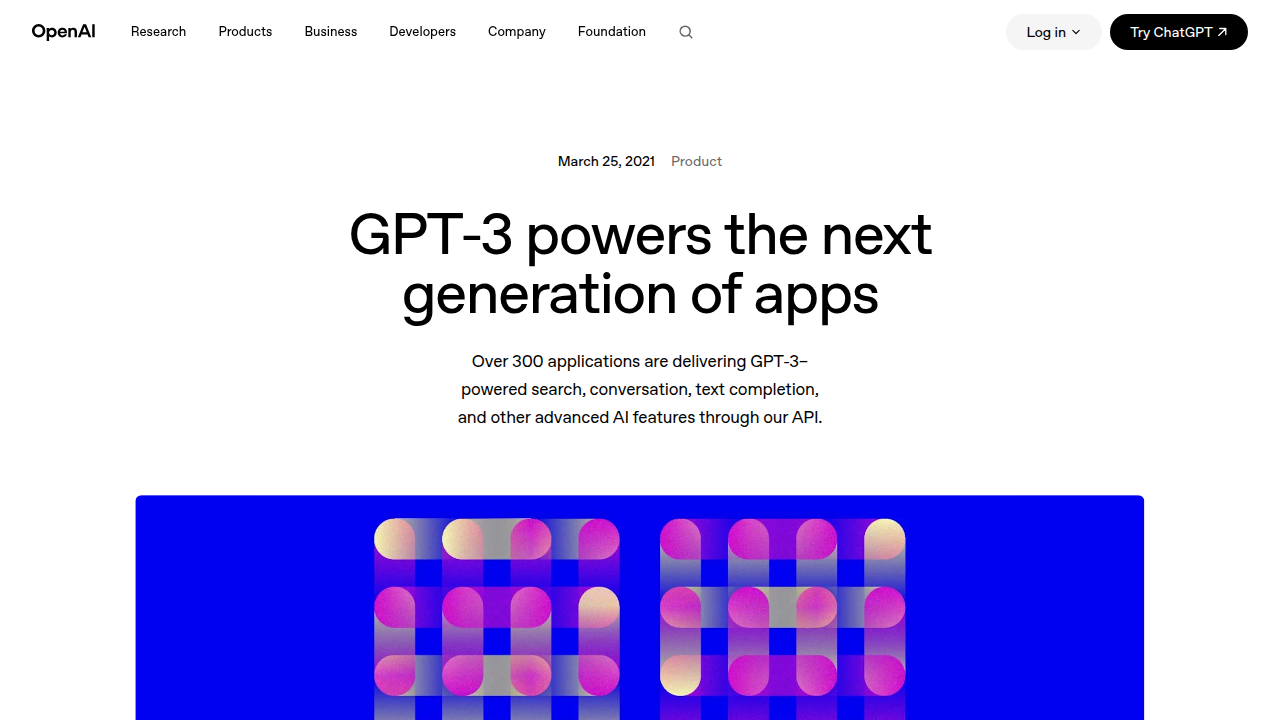
This makes it a flexible tool for many industries. Businesses use it for chatbots, content creation, and data analysis. Hundreds of companies are already building on top of this model. For a detailed look at these use cases, check out the official overview of GPT-3 powers the next generation of apps.
These applications of ai show how generative ai programs can save time and money. For example, customer service teams use GPT-3 to power smart chatbots that answer questions instantly. Marketing teams rely on it to draft blog posts, ads, and product descriptions. Data analysts ask it to summarize long reports or find trends in customer feedback. The range keeps growing.
Understanding these real uses helps you spot regulatory risks and investment opportunities. Staying informed about openai news and how these models evolve is key for policy professionals. For more on how businesses are adopting these tools, read about bridging the enterprise AI adoption gap.
Content Creation and Code Generation
One of the most impressive things about gpt 3 ai is how well it handles both creative writing and technical coding. On the content side, the model can draft full articles, write marketing copy, and even compose poetry. Companies like CopySmith have built tools on top of GPT-3 that generate product descriptions, blog ideas, and ad headlines from just a few prompts. The system also powers story driven experiences, like the interactive stories created by Fable Studio. For a broader view of what the model can produce, the detailed breakdown of commercial applications for GPT-3 lists dozens of real world examples.
But GPT-3 does not stop at text. It can also write code in multiple programming languages. The model powers GitHub Copilot, a tool that suggests code as you type. Developers use it to speed up debugging, generate boilerplate code, and even translate natural language instructions into SQL queries. At the same time, this automation raises important questions. Who owns content generated by a machine? What happens to jobs for writers and entry level coders? As applications of ai grow, policy professionals must watch these shifts closely.
The llm vs generative ai comparison often misses this practical angle. Both terms describe tools that create new content, and GPT-3 sits right at the center of that overlap. Staying ahead means tracking how these models evolve. Keep up with the latest openai news and the policy debates that follow. For a quick way to stay informed, check out The AI Newsletter Worth Reading for clear daily updates.
Translation and Summarization
Beyond content creation and code, gpt 3 ai also shines at translation and summarization. The model can translate text between dozens of languages, and it handles low resource languages better than many older tools. For example, translating from a language with limited training data often produced gibberish in the past. GPT-3 gets it right more often because it understands patterns across languages. On summarization, the model can take a long document or meeting transcript and pull out the key points in seconds. This saves busy professionals hours of reading time.
But the technology is not perfect. Translation quality still drops for complex sentences or rare dialects. And summaries can miss nuance or introduce bias from the training data. These challenges mean human review stays important. As applications of ai grow in sensitive areas like legal or medical translation, quality control becomes a policy concern. The line between llm vs generative ai blurs here, but the practical need remains the same: tools that are reliable and fair.
For policy professionals, tracking how generative ai programs handle language matters. It affects everything from cross border communication to public information access. Keeping up with openai news helps you spot these shifts early. To see how enterprise teams are already using these capabilities, check out the latest on the enterprise AI adoption gap.
Business Use Cases in 2026
By 2026, gpt 3 ai has moved far beyond simple text generation. Businesses across many industries now rely on it for real customer work.
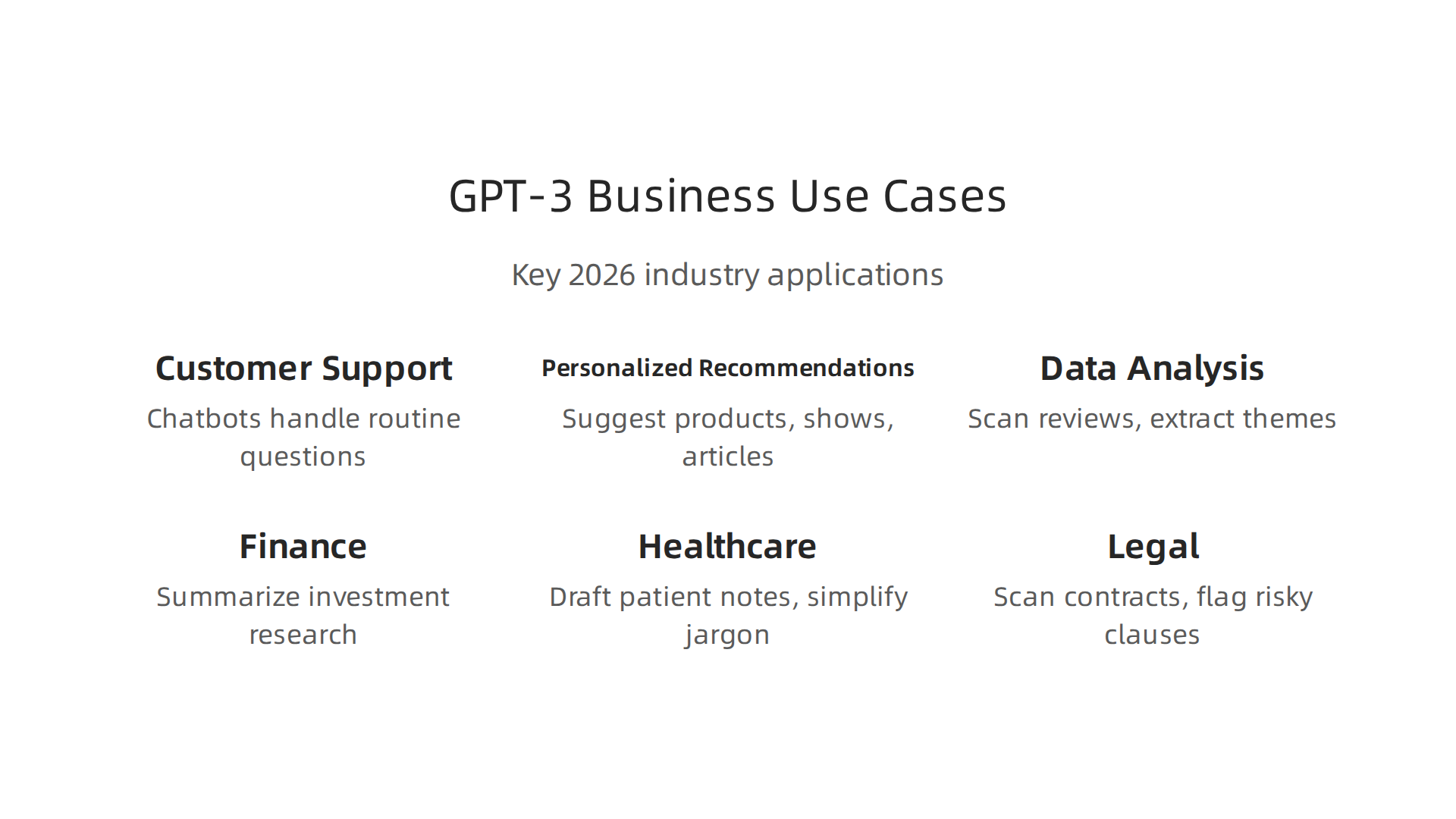
Think of a customer support chatbot that never sleeps, a recommendation engine that knows what you want before you type, or a data analysis tool that finds patterns in seconds. These are not science fiction. They are running right now.
Customer support chatbots are one of the most common applications of ai in business. GPT-3 powers systems that handle routine questions, escalate tricky issues, and even detect frustration in a customer’s tone. This frees up human agents for harder problems. Personalized recommendations also rely heavily on the model. Ecommerce sites, streaming platforms, and news outlets use it to suggest products, shows, or articles based on your past behavior. The model’s ability to understand context makes these suggestions feel natural, not robotic.
Data analysis is another big win. GPT-3 can scan thousands of customer reviews, pull out themes, and summarize the main complaints or praises in a single paragraph. This saves analysts hours of manual work. According to OpenAI, over 300 applications were already using GPT-3 for search, conversation, and text completion back in 2021. By 2026, that number has exploded, especially in three industries.
Finance, healthcare, and legal are the early adopters leading the charge. Banks use GPT-3 to summarize investment research and help wealth managers find the right information for each client. Hospitals use it to draft patient notes and simplify medical jargon for patients. Law firms use it to scan contracts and flag risky clauses. Each of these fields also faces tight regulatory rules. That is why regulatory compliance is a key part of any deployment. Businesses cannot just launch a GPT-3 system and walk away. They need to check for bias, data privacy, and accuracy. This is especially true in regulated sectors where a mistake can lead to fines or lawsuits.
For policy professionals watching these trends, understanding the balance between innovation and regulation is critical. A good starting point is a rigorous artificial intelligence review for policy compliance. It helps you see what questions to ask before adopting any generative ai program.
If you want to stay on top of how GPT-3 and newer models are reshaping industries, get clear daily AI updates from The AI Newsletter Worth Reading.
Limitations, Risks, and Ethical Challenges
Despite its power, gpt 3 ai has serious downsides. It learned from text scraped off the internet, which means it picked up harmful biases.

Studies show GPT-3 associates the word Muslim with violence at high rates and reinforces gender stereotypes. OpenAI has tried fixes like the PALMS dataset, but even newer versions still show bias in gender and sexuality. This remains a major concern for organizations using generative ai programs.
Another big problem is factual accuracy. Models like GPT-3 often "hallucinate." They make up false information that sounds true. Research shows that AI chatbots hallucinated on most legal queries, according to a recent overview of addressing AI hallucinations and bias from MIT Sloan. For professionals, this can lead to bad decisions.
The computational cost is also high. Running these models needs expensive hardware, which limits who can use them. And safety risks are real. Bad actors can misuse gpt 3 ai to create disinformation or spam at scale.
These challenges mean strong oversight is necessary. Policy professionals should review new human AI interaction guidelines for policy professionals and executives to learn how to manage these risks responsibly.
Bias and Factual Accuracy
Here is the hard truth about gpt 3 ai. It learned from text scraped off the internet, and the internet is full of human bias. So the model picked up those same biases.
Research shows that GPT-3 associates the word Muslim with terrorism and violence at much higher rates than other religious groups. Stanford HAI found that two-thirds of GPT-3 responses to Muslim prompts included violent references. That is a serious problem for any organization using generative ai programs.
OpenAI tried to fix this with a dataset called PALMS. But the fixes did not fully work. A study of InstructGPT actually found an increase in biased text about gender and sexuality. Bias is stubborn.
Factual accuracy is another big weakness. GPT-3 often makes up false information that sounds true. This is called hallucination. A Stanford study found that general-purpose AI chatbots hallucinated on 58 to 82 percent of legal research queries. For policy professionals who rely on accurate data, that is a major risk.
These issues are why responsible oversight matters. You should explore new human AI interaction guidelines for policy professionals to understand how to manage these risks.
If you want to stay ahead of these challenges with daily updates on AI governance and policy, try The AI Newsletter Worth Reading. It delivers clear insights straight to your inbox.
Cost and Accessibility
Beyond bias and accuracy, another major issue with GPT-3 is cost. Training a model this large requires massive computing power. Estimates suggest that a single training run can cost millions of dollars. That price tag puts it out of reach for most small businesses and nonprofits.
Using the GPT-3 API is not cheap either. Every query costs money. For organizations with limited budgets, these expenses add up quickly. This creates an access gap. Only well-funded teams can really take advantage of the most advanced generative AI programs.
The high cost is one of many challenges of GPT-3, as outlined in an article on Battling Bias in Large Language Models. It shows that getting these models to work safely is expensive and hard.
This cost barrier could widen the AI divide. Smaller players may fall behind. For policy professionals, this is a major concern. To understand the broader impact of unequal access, you can read more about AI job displacement statistics that reveal the policy roadmap for 2026.
Safety and Misuse
Here is the thing about a tool as powerful as GPT-3. The same generative AI programs that write code and poetry can also be turned into weapons. Bad actors can use GPT-3 to generate phishing emails that sound perfectly real. They can create fake news articles or even deepfake audio that is hard to spot. The risk is real.
OpenAI has tried to fight back. They put usage policies in place and built content filters to catch harmful outputs. But these filters are not perfect. As one article on addressing AI hallucinations and bias from MIT Sloan explains, these models are designed to predict words, not to tell the truth. That makes it very hard to stop misuse completely.
This is why regulators are paying close attention. New policies are being written to prevent malicious use of large language models. For policy professionals, understanding these threats is key. You can read more about the latest framework in this guide on rigorous AI review for policy compliance.
Staying ahead of these risks takes constant learning. For clear daily updates on AI safety and policy, subscribe to The AI Newsletter Worth Reading.
The Regulatory Landscape: AI Governance and GPT-3
As GPT-3 and other generative AI programs spread across industries, governments worldwide are racing to build rules around them. The European Union is the most advanced on this front with its AI Act, which creates a common framework for AI governance across the EU. The law sorts every AI system by risk level.
For GPT-3, which falls under the limited risk category, the rules focus on transparency. Any content created or changed with AI must be clearly labeled. Users need to know when they are looking at something made by a machine. More powerful models like GPT-4 face stricter checks if they pose systemic risks.
For organizations using GPT-3 in Europe, compliance means following these risk classifications. Providers must document their training data, follow copyright laws, and publish summaries of what they used to train their models. The big compliance deadline for most AI systems lands under EU AI Act rules for 2026.
The United States and the United Kingdom are building their own versions of these rules too. Policy professionals need to track all of these changes closely. You can read more about how ai policy in the public sector is transforming government compliance.
For clear daily updates on AI governance and regulations worldwide, subscribe to The AI Newsletter Worth Reading.
Current Policies in the US, EU, and UK
Each region takes a different path when it comes to GPT-3 and similar generative AI programs.

The EU leads with the most structured system. Under the AI Act, GPT-3 qualifies as a general-purpose AI model. That means providers must follow transparency rules. They need to publish training data summaries, follow copyright law, and give technical documentation to downstream users. These GPAI obligations took effect in August 2025. For a deeper breakdown, you can read about how the EU AI Act regulates ChatGPT as a general-purpose AI model.
The United States takes a different route. There is no single AI law yet. Instead, the White House issued an executive order on AI safety that requires developers of powerful models to share safety test results with the government. Federal agencies also release sector-specific guidance, like the FTC’s rules on deceptive AI practices and the FDA’s standards for medical AI. Policy professionals tracking these changes should follow the information technology policy shifts of 2026 closely.
The United Kingdom prefers a lighter touch. The UK government encourages innovation first and asks existing regulators like the Competition and Markets Authority and the Information Commissioner’s Office to handle AI risks within their current powers. There is no new AI bill yet, just a set of principles that regulators should follow.
So the big picture is clear. The EU has hard rules. The US has executive orders and agency guidance. The UK has principles and existing regulators. Each model has trade-offs for anyone building with GPT-3 today.
Compliance and Risk Mitigation Strategies
So how do you actually stay compliant when working with GPT-3 AI? The first step is to map each use case to a risk tier. Under the EU AI Act, the risk level of your application of generative AI programs determines your obligations. A simple chatbot with a human review process faces fewer rules than a system that makes automated hiring decisions. You can read about the key compliance deadlines in the EU AI Act for businesses to see where your project fits.
Inside your organization, you need a solid internal governance framework. This means testing for bias, keeping logs of what the model outputs, and making sure a human reviews anything that affects people directly. Human oversight is not optional it is a core requirement for higher-risk use cases.
You also need to engage with policy developments as they happen. The regulatory landscape shifts fast, especially with new OpenAI news and updates to how lawmakers draw lines between llm vs generative ai systems. For example, the US executive order and UK principles change the environment for any organization deploying GPT-3 AI today.
For a deeper look at setting up your own compliance checklist, check out our guide on rigorous artificial intelligence review for policy compliance.
To stay on top of daily regulatory changes and expert analysis, subscribe to The AI Newsletter Worth Reading. It helps you anticipate new rules before they land.
GPT-3 in Context: How It Compares to Competitors
While GPT-3 AI remains powerful, newer models like GPT-4 offer noticeable improvements in reasoning and reduced bias. Understanding these differences is key when deciding which generative AI programs to use. For example, the regulatory treatment of these models varies significantly, as seen in how GPT-4 and GPT-3 differ under EU AI rules.
Beyond OpenAI, open-source models like BLOOM and LLaMA provide alternatives with different trade-offs. They give you more control over data and cost but may require more technical effort. The ongoing debate of llm vs generative AI also matters when choosing between closed and open systems. For policy professionals, comparing these options helps inform strategic decisions and compliance planning. You can explore more about AI regulation and policy challenges for tech executives to see how these comparisons play out in practice.
GPT-3 vs. GPT-4 and Beyond
So what do you actually get when you move from GPT-3 to GPT-4? The biggest difference is context. GPT-4 can handle much longer conversations and documents without getting confused. It is also more factual and less likely to make things up. That matters a lot if you are using these tools for serious work.
But here is the thing. GPT-3 AI is still everywhere. It costs less to run, and the APIs are stable and well tested. Many companies keep using it because it works fine for simpler tasks like drafting emails or basic content. You do not always need the newest model.
What comes next? Future systems will likely add multimodal capabilities. That means they will understand images, audio, and video, not just text. The EU regulation on general-purpose AI models already treats GPT-4 and GPT-4o as higher risk because of these advanced features. If you want to stay ahead of these changes, check out this AI tech jobs 2026 guide for insights on how model evolution is reshaping careers.
Want to keep up with every new model release and the rules that follow? The AI Newsletter Worth Reading delivers clear daily updates straight to your inbox.
Open-Source Alternatives
Not everyone wants to rely on closed models like GPT-3 AI. Some people want to see the code, tweak it, and run it themselves. That is where open-source alternatives come in. Models like BLOOM and LLaMA give you full access to the underlying design. You can customize them for your specific needs, and you know exactly what data they were trained on.
But here is the catch. Open-source models do not come with a polished API or dedicated support team. You are mostly on your own when it comes to setup, fine-tuning, and troubleshooting. For simpler tasks, GPT-3 AI might still be the easier choice because you can just call an API and get results.
The policy side also looks different. Because open-source development is decentralized, it is harder for regulators to track and enforce rules. Interestingly, the EU AI Act actually gives open-source models a lighter compliance burden. Under the AI Act, free and open-source models only need to meet basic transparency requirements unless they pose a systemic risk. If you work in tech policy, it helps to understand these differences. Check out this explainer on Genspark AI regulation and policy challenges to see how decentralized AI is reshaping the rules.
Conclusion: Staying Ahead in the GPT-3 Policy Landscape
GPT-3 AI is not going anywhere. Even as newer models appear, GPT-3 remains a foundation that many tools still depend on. But using it is not just about the technology anymore. You also have to understand the rules around it.
Here is the thing. The policy world is moving fast. In 2026, the EU AI Act is a major focus. Most organizations that use AI in Europe need to comply by August 2026. That includes anyone deploying GPT-3 based systems. You need to know what is required of you. For example, high-risk systems must meet strict rules for risk management, data quality, and transparency. Even general-purpose AI like GPT-3 has to follow certain rules. Staying on top of these changes is critical for your career and your organization.
To help you keep up, we recommend reading up on the latest regulatory shifts. Check out this analysis on the AI job displacement policy roadmap for 2026 to see how AI policy connects to the workforce.
The bottom line is this. GPT-3 is powerful, but with great power comes great responsibility. You need to balance using its capabilities with understanding the risks. That means watching for bias, security holes, and new laws. The best way to do that is to make learning a habit.
One easy way to stay current is to get a daily dose of AI and policy news. The AI Newsletter Worth Reading delivers clear updates right to your inbox. It helps you cut through the noise so you can focus on what matters for your work. Subscribe to The Deep View Newsletter and never miss a key shift in AI governance again.
Summary
This article explains GPT-3 — OpenAI’s landmark 175-billion-parameter language model — and why it still drives technology and policy debates in 2026. It describes the transformer-based architecture, the massive training pipeline of roughly 300 billion tokens, and practical techniques like fine-tuning and prompt engineering that make the model useful across industries. The piece surveys real-world applications (content, code, customer support, translation, summarization) and shows how businesses deploy GPT-3 while weighing costs and access barriers. It also examines persistent limitations — bias, hallucination, safety risks, and high compute costs — and why those problems matter for regulators and practitioners. The article maps the evolving regulatory landscape (notably the EU AI Act) and gives concrete compliance strategies such as risk mapping, logging, bias testing, and human oversight. Finally, it compares GPT-3 to newer and open-source alternatives and points policy professionals toward resources and guidelines to keep pace with governance changes.