

Why AI, national security, and firms like Palantir matter now
In 2026, artificial intelligence (AI) is changing how governments work at a very fast pace. Agencies that keep us safe and those that help our communities are quickly starting to use smart computer systems. These systems can bring together lots of information and help people understand it better. Companies like Palantir Technologies create tools that help defense teams and civil groups make sense of huge amounts of data. The goal is to make things run smoother and keep us safer.
This quick adoption of AI devices and platforms brings big chances, but also big questions. For example, the U.S. government is actively promoting new ways to use AI for safety and innovation.

State governments, like Maryland, are also putting together plans for how AI will be used in public jobs and services, which shows a widespread push for AI use across the country.
Here’s the thing: while these AI tools offer a lot of good, we also need to be careful. We have to find a good balance between the benefits of using AI for national security and making sure people’s privacy and rights are protected.

There are concerns about civil liberties, making sure that buying these high-tech tools is open and clear, and handling new rules. Understanding these issues is key to making sure that government policy on artificial intelligence helps everyone. Groups like NIST have even created an AI Risk Management Framework to help manage the risks that come with AI for people, groups, and society. Getting this balance right is a big job for leaders today.
To learn more about how governments are dealing with these new rules, check out how AI policy in the public sector is transforming government compliance in 2026.
To stay on top of the latest news and get deep insights into AI and technology policy, you need clear, daily updates. The AI Newsletter Worth Reading delivers exactly that from The Deep View Newsletter.
1) The national security landscape for AI: priorities, actors, and data
When we talk about using AI for keeping a nation safe, we mean a few key things. It’s all about making sure our country can protect itself and its people very well. In 2026, AI is becoming a main helper in making this happen.
One big way AI helps is with intelligence. Imagine needing to understand lots of information about what’s happening around the world. AI tools are very good at sifting through huge amounts of data. They can find important clues and patterns that people might miss. This helps defense and intelligence teams get a clearer picture of situations and make smarter decisions. For example, reports show that new laws are being put in place to guide how intelligence agencies use AI to stay ahead and keep us secure, as highlighted in the Report to Accompany S. 2342, Intelligence Authorization Act for Fiscal Year 2026.
AI is also super useful for logistics. This means planning and moving people, supplies, and equipment. AI helps make these plans much more efficient. It can figure out the best routes, predict what’s needed, and make sure everything gets to where it needs to be, right on time. This is key for our defense teams to work smoothly.
Another important use is for situational awareness. This is about knowing what’s happening right now, in real-time. AI devices can process information from many different places to give leaders a full and fast view of a situation. This quick understanding helps them make important choices under pressure. Our local and state governments are also getting involved in national security by using new tools to protect important systems, a task outlined in testimony about State and Local Governments on the Front Lines of National Cybersecurity.
Who makes these AI systems for national security?
Many different groups work together to bring these powerful AI tools to life.
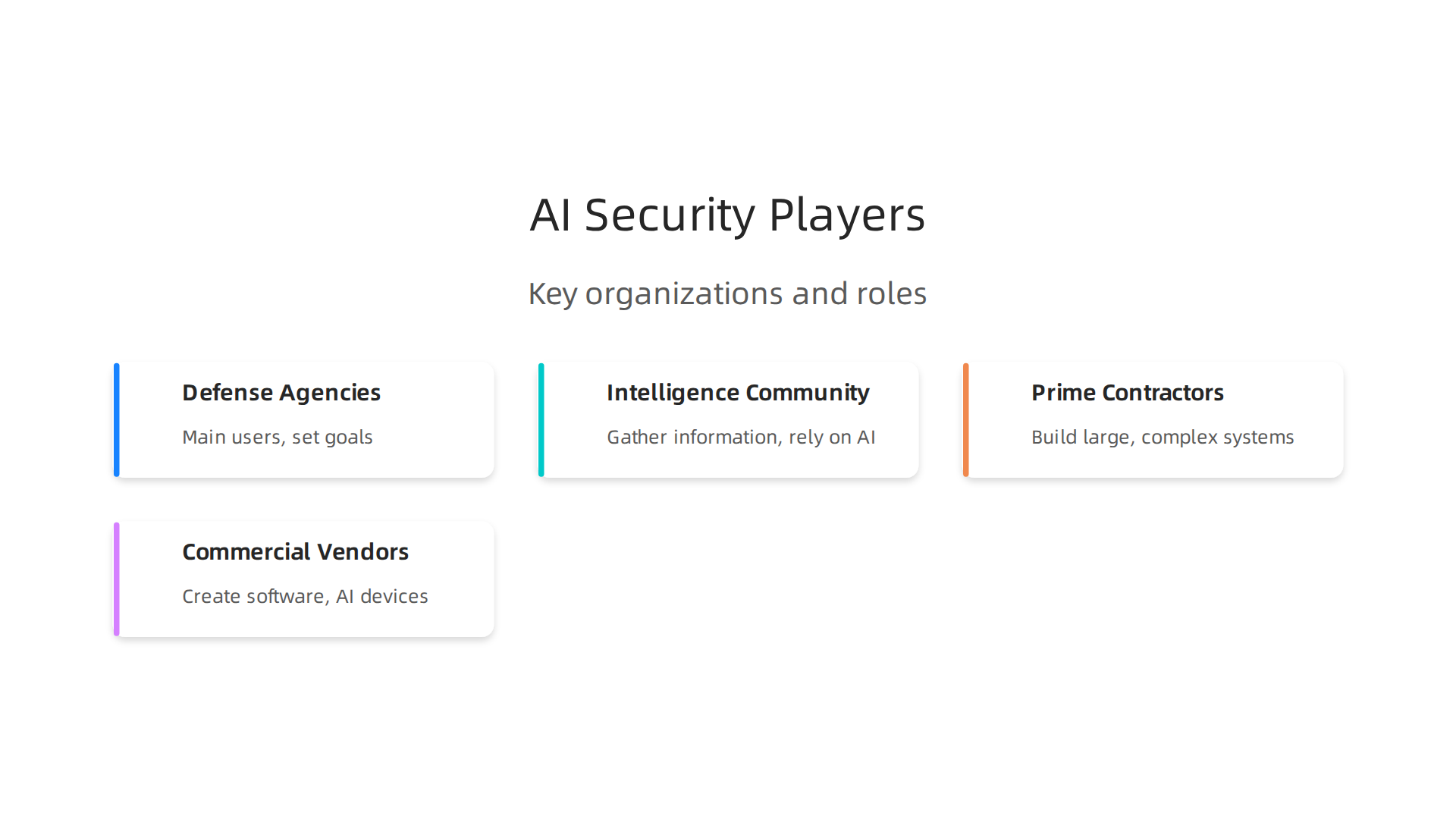
- Defense Agencies: Groups like the Department of Defense are the main users. They set the goals and decide what kind of AI help they need.
- Intelligence Community: Agencies that gather information to protect the country also rely heavily on advanced AI systems.
- Prime Contractors: These are big companies that often work directly with the government. They build large and complex systems that include AI parts.
- Commercial Vendors: Then there are companies like Palantir Technologies. These firms create special software platforms and AI devices that help government agencies organize and understand large amounts of information. Palantir Technologies is known for its ability to pull together data from many sources, helping national security teams see connections and patterns that are critical for protecting the country.
All these groups must think carefully about government policy on artificial intelligence to make sure these tools are used responsibly. There’s also a lot of focus on AI safety research to prevent any problems and ensure these powerful technologies always serve us well. If you want to understand more about these big changes in how technology shapes rules, you can learn about the biggest information technology policy shifts of 2026.
2) Palantir Technologies: capabilities, product families, and typical deployments
We just learned how different groups use AI to keep a nation safe. One of those groups is Palantir Technologies, a company known for its special software.
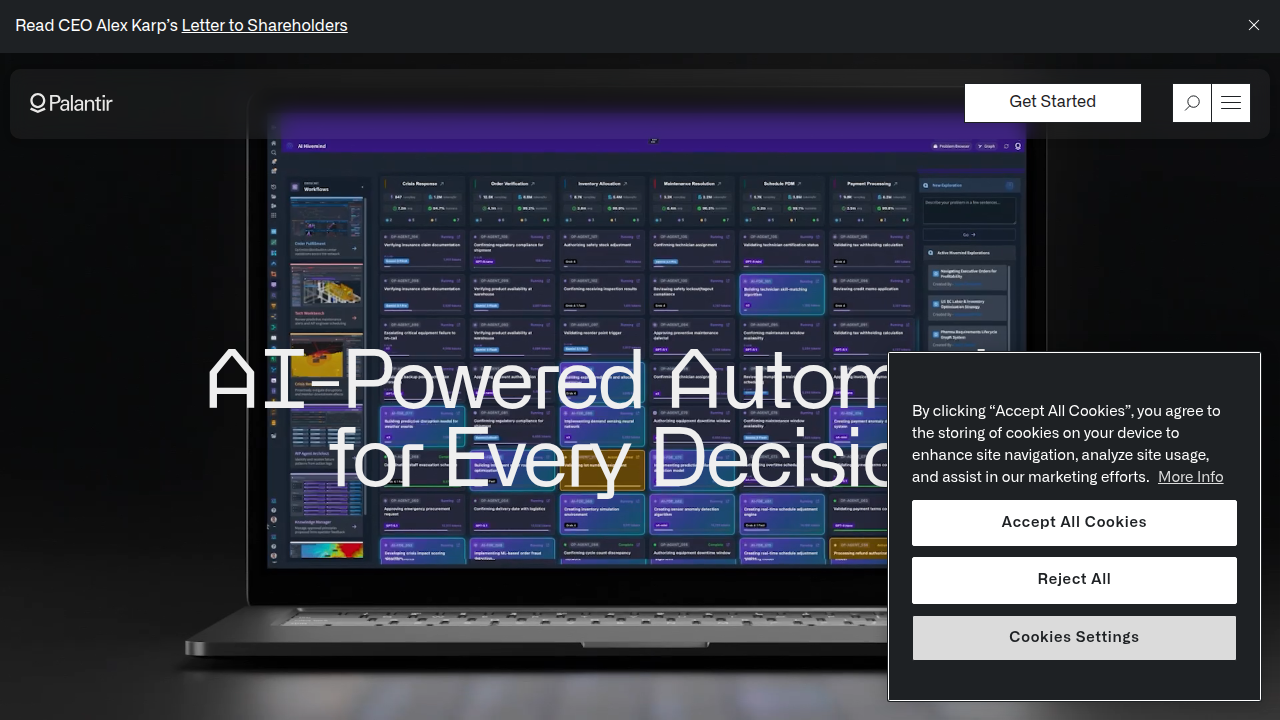
Palantir helps governments and big businesses make sense of a lot of information. They create powerful tools that help people find important patterns and make smart choices, especially when things are serious, like protecting a country. In 2026, Palantir is a key player in using data for national security and other important tasks.
Palantir Technologies offers several main software tools, which they call "platforms" or "product families." These are built to handle very large and complex data challenges.
Here are their core product families:
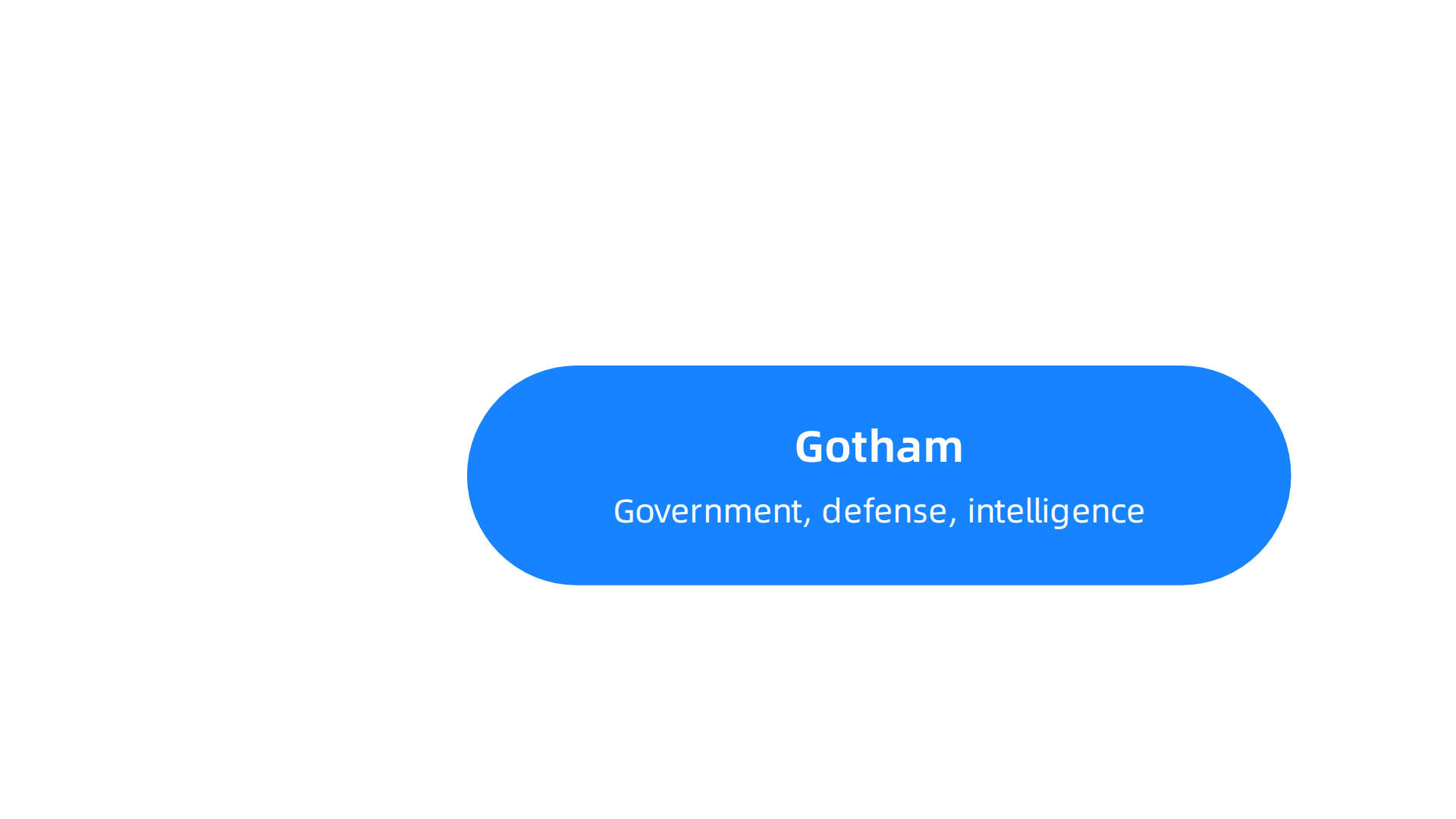
- Palantir Gotham: This platform is mostly for government clients, especially in defense and intelligence. It helps them plan missions, run investigations, and connect many different pieces of information. Gotham makes it easier to work with lots of data while keeping things private and secure, which is very important for national security tasks like fighting terrorism. It’s often called an operating system for defense decision making, as shown in this Palantir Gotham for Defense Decision Making video.
- Palantir Foundry: This platform is used more by businesses and some government groups. It helps them bring together all their data into one place, no matter where it comes from. Foundry then lets them build "digital twins" of their operations. Think of it like a live, computer-made copy of a factory or a supply chain. This helps them find ways to work better and make quicker decisions.
- Apollo: This is like the smart manager behind the scenes for Gotham and Foundry. Apollo helps deliver software updates and fixes without stopping the important work. It makes sure that AI devices and software always run smoothly and stay up-to-date, even in tough places.
- Artificial Intelligence Platform (AIP): This is Palantir’s newest tool, designed to connect advanced AI models directly to real-world actions. It lets users build and use AI tools to solve problems, making sure that AI works hand-in-hand with human teams to get things done.
These platforms work together to help users with three big tasks:
- Data Integration: They pull in information from many different places and put it all together. This could be anything from sensor data to reports.
- Analytics: They help people look closely at this combined data to find hidden connections and understand what’s happening.

- Operational Planning: They help teams make plans and take action based on what the data shows them. This means moving from just understanding to actually doing.
How Palantir’s Tools Are Used
When clients use Palantir Technologies software, there are different ways it can be set up. These are called typical deployment models:
- Cloud Deployment: This is when Palantir’s software runs on remote computers, like those managed by Google, Amazon, or Microsoft. The client can access it over the internet.
- On-Premise Deployment: For some clients, especially in government, the software needs to be run directly on their own computers inside their secure facilities. This gives them full control over their data.
- Hybrid Solutions: Sometimes, clients use a mix of both cloud and on-premise setups to meet their specific needs.
- Integrator Partnerships: Palantir often works with other tech companies that help clients install, customize, and use Palantir’s software. These partners are experts at fitting the software into a client’s existing systems.
- Managed Service Options: In some cases, Palantir or a trusted partner will manage the software entirely for the client, so the client doesn’t have to worry about the technical upkeep.
No matter how they are set up, Palantir’s tools must always follow strict rules and guidelines. This is where government policy on artificial intelligence becomes very important. As we use more advanced AI, countries are working hard to make sure these tools are used safely and responsibly. There’s also a big push for more AI governance, regulation and geopolitics to prevent problems and build trust.
If you are a professional in the tech or policy world, staying on top of these changes is a must.
The AI Newsletter Worth Reading offers clear, daily AI updates to help you navigate this fast-changing area.
When advanced AI tools are used for big tasks like national security, important questions come up about people’s privacy and freedoms. While systems like those from Palantir Technologies help make sense of huge amounts of data, they also bring some worries.
One big concern is privacy. When different kinds of information are all put together, it’s called data fusion. This can make it hard to keep personal details private. Imagine all your online activity, your location data, and public records being linked together. Even if the goal is good, like fighting crime, there’s a risk that too much personal information could be seen or used in ways you didn’t expect. This is especially true when powerful AI devices are involved in gathering and analyzing this data.
Another worry is about civil liberties. These are your basic rights and freedoms as a person. If AI tools are used to make decisions about people, like who might be a risk, they need to be fair and unbiased. If not, people could be treated unfairly. This is why government policy on artificial intelligence must have clear rules to protect everyone’s rights. Research shows the need to recenter public values in how AI is governed, to make sure our freedoms are protected as technology grows Recentering Public Values in AI Governance.
The way companies like Palantir Technologies build their software also raises questions about transparency and accountability. Their software is often "proprietary," meaning it’s private and its inner workings aren’t shown to everyone. This can make it hard for outsiders to understand exactly how decisions are being made by the AI.
- Transparency: It means being able to see how something works. If the AI’s logic is hidden, it’s hard to know if it’s fair or if it might be making mistakes. We need to know how these tools impact public decisions, as highlighted in studies on The Impact of Artificial Intelligence on Public Sector Decision- Making.
- Oversight: This means having people or groups watch over the AI to make sure it’s used correctly and follows all rules. Without good oversight, mistakes or unfair uses might not be caught.
In 2026, many governments are working on creating strong rules for AI. They want to make sure these powerful tools are used responsibly and ethically, especially in public areas like law enforcement and national security. This includes promoting ai safety research to build AI that is reliable and fair from the start.
Learning more about how these policies are shaping the use of AI in government can help you understand these challenges better. For those interested in this topic, exploring How AI Policy in the Public Sector is Transforming Government Compliance in 2026 can offer further insights.
When governments buy AI devices and software, like those from Palantir Technologies, they follow certain rules and paths. This process, called procurement, is key to how these powerful tools end up being used in public service. The way these contracts are set up can really affect how transparent things are and how easy it is to watch over the AI’s use.
There are different ways governments get these AI tools:
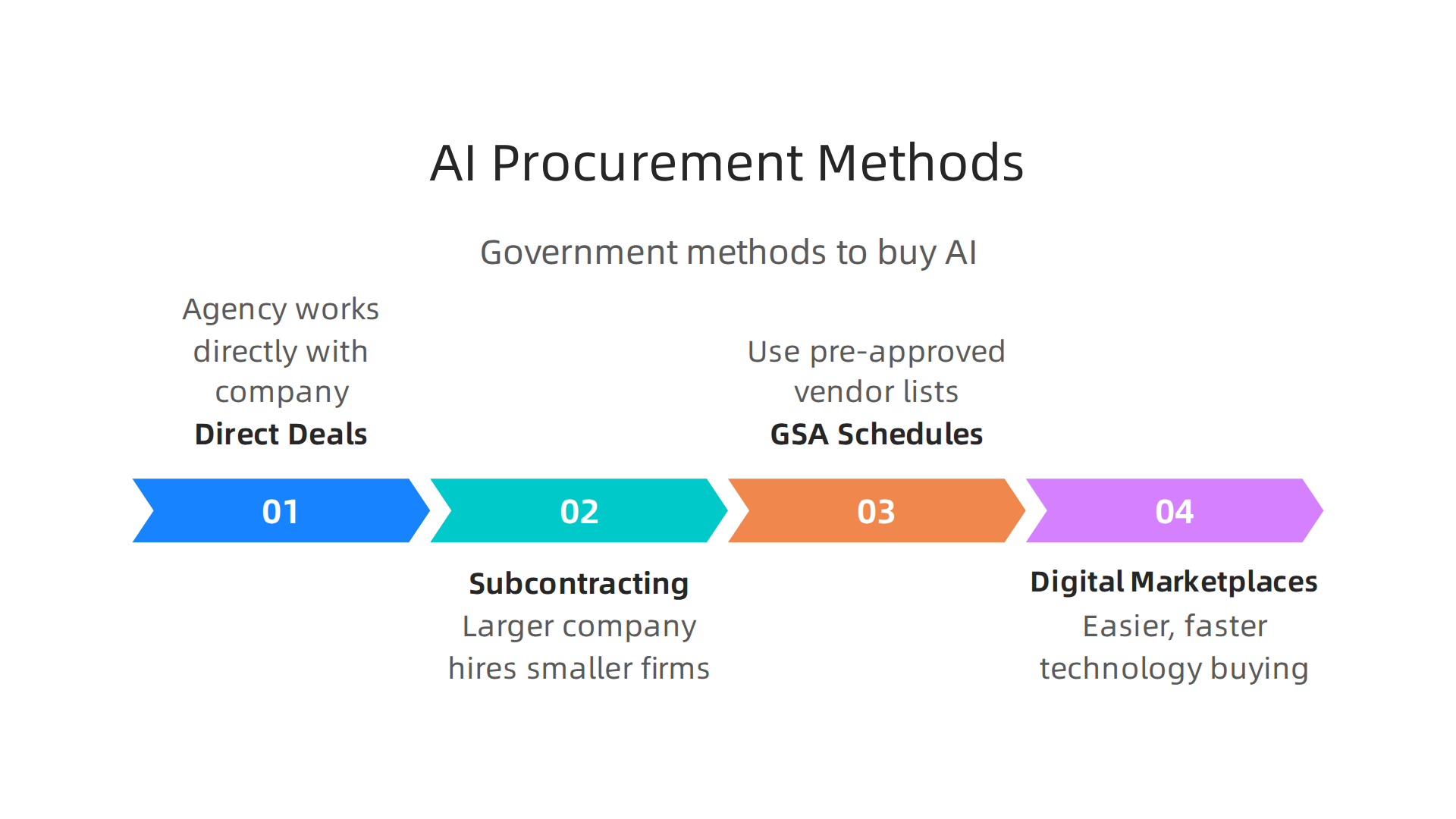
- Direct Deals: Sometimes, a government agency works directly with a company like Palantir Technologies to buy their software. This can happen when a specific tool is needed quickly for important tasks, such as national security. Palantir’s tools, especially its Gotham platform, are known for helping governments with critical tasks by using AI to make sense of large amounts of data Palantir Technologies (PLTR: NYSE) | AI-Powered Critical Govt ….
- Subcontracting: A larger company might win a big government contract and then hire smaller companies, or even Palantir, to provide specific AI parts or services.
- GSA Schedules and Digital Marketplaces: Governments often use pre-approved lists of vendors and services, like the General Services Administration (GSA) schedules in the U.S., or digital marketplaces. These lists make it easier and faster for agencies to buy approved technology without starting a new bidding process every time. For example, the Palantir Platform: Gotham is available on digital marketplaces for government use Palantir Platform: Gotham – Digital Marketplace.
However, these different ways of buying AI tools create challenges for transparency and oversight. When government bodies use AI, it’s important for the public to understand how decisions are made and how their data is used. But this can be hard because of a few reasons:
- Redaction and Classification: In government contracts, parts of the deal might be hidden or "redacted" because they contain sensitive information, like national security details. While this is sometimes necessary, it means the public can’t see all the details of how an AI system is being used.
- Proprietary Claims: Companies like Palantir Technologies often consider their software’s inner workings as trade secrets. This means they don’t share the code or exact methods their AI devices use to make decisions. They claim this protects their business advantage and keeps their systems secure. But this secrecy makes it tough for outsiders to fully understand or audit the AI’s behavior, making oversight more difficult. A lack of transparency in data management tools and procurement policies can affect public trust The Nexus Between Data Management Tools, Transparency and Procurement Policy.
For effective government policy on artificial intelligence, it’s vital to balance the need for security and innovation with the public’s right to know. This includes promoting AI safety research to build trustworthy systems from the start, and making sure rules are in place to allow proper checks and balances, even for hidden or secret contracts. Understanding these challenges is crucial for tech executives and policy professionals who need to navigate the world of AI regulation. You can learn more about these complex issues by reading about Genspark AI Regulation and Policy Challenges for Tech Executives.
5) The regulatory landscape in 2026: what policymakers are focusing on
As we move through 2026, the way governments buy and use AI tools, like those from companies such as Palantir Technologies, is changing fast. The issues of hidden contracts and secret AI workings we talked about earlier mean that policymakers are really focusing on creating clearer rules.

Their main goal is to make sure AI helps society while also being safe and fair.
Here are some key areas where new rules and policies are being made:
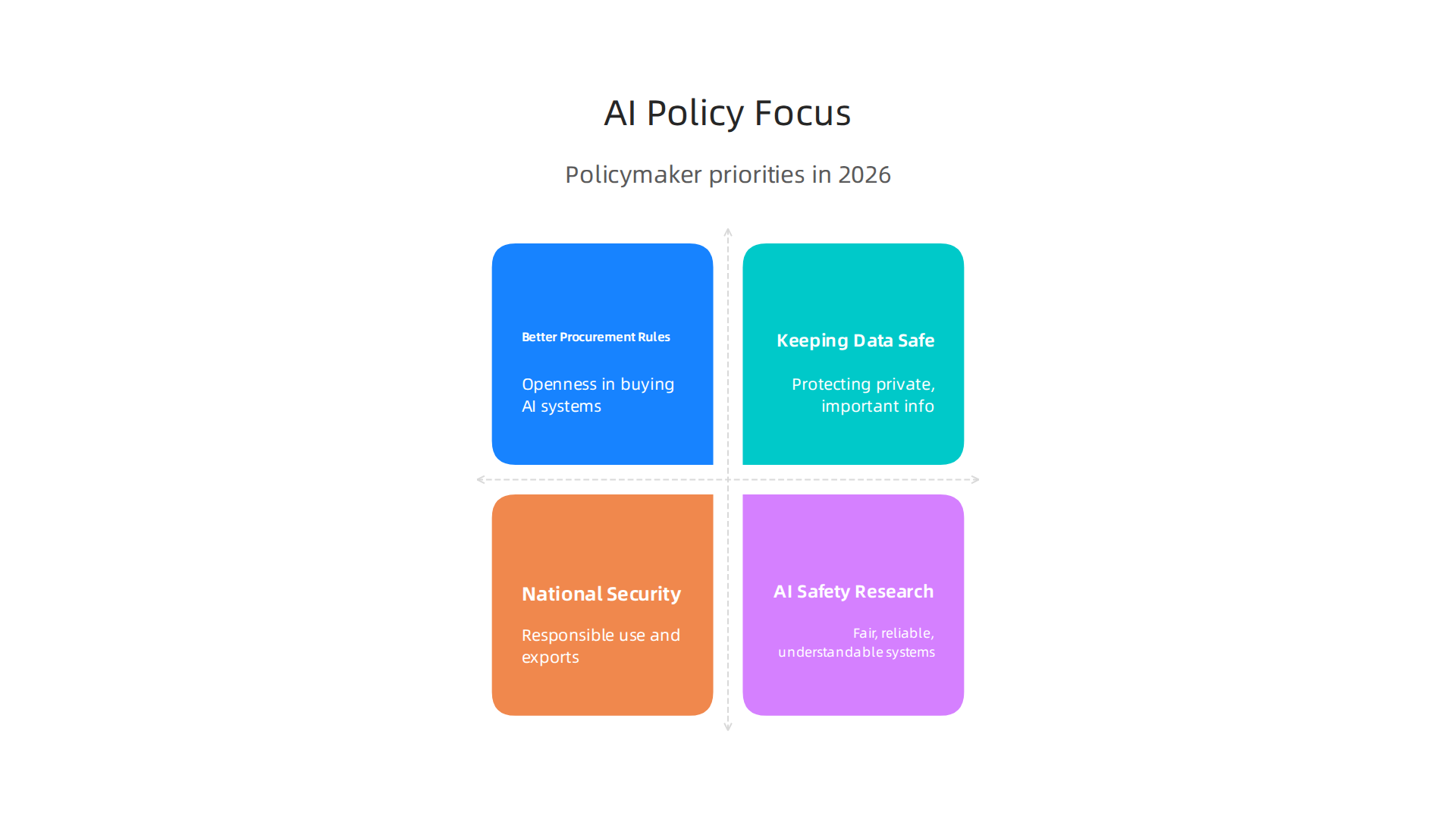
Better Rules for Buying AI Tools
Governments are working on new ways to buy AI systems, also known as procurement. This is to make sure that when they get AI devices and software, they are open about it. They want to set clear rules for how data is used and how the public can check on these systems. For example, some government guides are being updated to help agencies understand how to use AI wisely and follow best practices AI Guide for Government. There’s also a big push to use data analysis to make procurement more open and efficient, which helps both governments and the public Turning Government Procurement Data into Actionable Analytics.
Keeping Data Safe
When governments use AI, they often deal with a lot of important and private information. So, protecting this data is a huge focus for policymakers. New rules are being made to keep people’s personal details safe when AI systems process them. The goal is to build trust in government policy on artificial intelligence by making sure data privacy is a top priority.
National Security and Export Rules
Advanced AI can make a country stronger, but it also brings new concerns about safety and security. Governments are working on plans to make sure these powerful AI devices are used responsibly and don’t fall into the wrong hands. This includes rules about what AI technologies can be shared or sold to other countries. The White House, for instance, has highlighted the need for careful action to promote AI innovation while keeping national security in mind Promoting Advanced Artificial Intelligence Innovation and Security.
Investing in AI Safety Research
Policymakers know that to have trustworthy AI, we need to build it safely from the start. That’s why there’s a big focus on AI safety research. This research helps create systems that are fair, reliable, and easy to understand. Organizations like NIST have even created special guides, like the AI Risk Management Framework, to help manage the possible risks that come with AI.
Different Places, Different Rules
It’s important to know that not all governments approach AI regulation in the same way. What one country or even one state does might be different from another.
- United States: At the federal level, many agencies are setting up their own AI strategies. For example, the USDA has a detailed plan for how it will use AI from 2025 to 2026, which includes working closely with different teams on data, IT, and procurement Fiscal Year 2025–2026 AI Strategy – USDA. Congress is also looking into how AI procurement rules connect with national security, especially concerning data handling Report to Accompany S. 2342, Intelligence Authorization Act for ….
- State and Local Focus: Even states like Maryland are developing their own
government policy on artificial intelligenceto prepare for future changes in the job market and public services Maryland’s AI Strategy. State and local governments are also on the front lines of protecting important systems from cyber threats Ms. Kristin Darby – Committee on Homeland Security.
These different approaches show that while everyone agrees AI needs rules, how those rules are put into practice can vary a lot. The goal for 2026 and beyond is to find a good balance between letting AI innovate and making sure it’s used responsibly and openly. Understanding these ongoing shifts is key for anyone involved in technology and policy.
If you’re looking for clear, daily updates on the rapidly changing world of AI and technology policy, make sure you don’t miss out. Get clear daily AI updates from The AI Newsletter Worth Reading.
6) Risk mitigation and governance: practical steps for policymakers and vendors
Knowing that different governments have different rules for AI, it’s really important to think about how we can make AI safe and fair. This means both the people who make the rules (policymakers) and the companies who build AI tools (vendors) need to take clear steps. In 2026, everyone is looking for ways to lower risks like losing private information or having AI systems not work as expected.
How Policymakers Can Help
Policymakers play a big part in making sure AI is used safely. They can set up clear plans, called governance frameworks, for how AI devices and systems should be bought and used. These plans help prevent problems before they start.
One key step is to put special rules into government contracts when buying AI. These "procurement clauses" make sure that companies building AI for the government agree to protect privacy and make their systems work well. For example, rules can be put in place to ensure fair treatment and keep personal data safe Recentering Public Values in AI Governance. Such a strong government policy on artificial intelligence helps build trust and makes sure AI benefits everyone. Looking at how other countries manage AI can also provide good ideas for creating better rules AI governance, regulation and geopolitics: a comparative analysis.
Policymakers also push for more AI safety research. This helps us understand how to build AI that is less risky and more reliable. If you want to learn more about how public sector AI policies are changing, check out this guide on How AI Policy In The Public Sector Is Transforming Government Compliance In 2026.
What Companies Should Do
Companies that make AI systems, like palantir technologies, also have a big job to do in making sure their tools are safe and used correctly. They need to have good practices in place, even when they’re not working for the government.
Here are some important things vendors can do:
- Make it easy to check: AI systems should be built so that experts can easily look inside and understand how decisions are made. This is called auditability. It means we can check if the AI is being fair and not making mistakes.
- Write clear instructions: Companies should provide very clear documents that explain how their
AI deviceswork. This includes how the AI was built, what data it uses, and what its limits are. Good documentation helps users understand and trust the AI. - Set rules for use: Vendors should also think about how their AI might be used and make sure it follows all laws. They should even suggest ways to use the AI that are fair and right, and warn about uses that could be harmful. For example, for companies like Palantir Technologies, it means making sure their powerful data analysis tools are used in ways that respect individual rights.
These steps help create AI that is not only powerful but also trustworthy and ethical. Understanding these challenges is key for any tech executive Genspark AI Regulation And Policy Challenges For Tech Executives. By working together, policymakers and vendors can make sure AI serves society well in 2026 and beyond.
Summary
This article explains why AI is reshaping national security and public-sector operations in 2026, with a focus on firms like Palantir that supply data-integration and decision-support platforms. It walks through the main national-security uses of AI—intelligence analysis, logistics, and situational awareness—then describes Palantir’s core products (Gotham, Foundry, Apollo, AIP) and common deployment models. The piece outlines the privacy, transparency, and civil‑liberties concerns that arise when governments fuse large data sets, and it shows how procurement practices and proprietary software complicate oversight. It also surveys the regulatory priorities policymakers are pursuing—procurement rules, data protection, export controls, and investment in AI safety research—and gives practical mitigation steps for both governments and vendors. After reading, you’ll understand the trade-offs between security and rights, the procurement pathways that put these systems in place, and concrete governance measures that reduce risk while enabling capability.