

Why a rigorous, policy-focused AI review matters now
The world of artificial intelligence (AI) is moving incredibly fast. New AI tools and breakthroughs appear almost every day in 2026. This quick pace means that how we use AI is changing, and so are the rules around it. It’s a big challenge for everyone, from people who make laws to those who lead tech companies.
Right now, many countries are trying to figure out the best ways to manage AI. The rules are complex and can be different from one place to another. For example, some places might focus on how AI impacts people’s privacy, while others worry more about how it’s used in important areas like healthcare or even in government. Keeping track of all these shifting rules is tough for policy professionals, tech leaders, investors, and legal teams. You can find out more about these worldwide changes with a Global AI Law and Policy Tracker.

This rapid change in artificial intelligence basics and the tricky legal landscape mean that a careful, policy-focused artificial intelligence review is super important.

It’s not enough to just know about the newest AI tools. We also need to understand how these tools fit into the growing set of rules and laws. For instance, knowing How AI Policy in the Public Sector Is Transforming Government Compliance in 2026 can help you avoid problems later on.
This article is here to help. We will give you a clear, step-by-step way to do an artificial intelligence review. Our guide is made for people who work with policies, run tech businesses, invest money, or deal with laws. It will help you look at AI in a structured way, so you can make smart choices and keep up with what’s happening.
To stay on top of daily developments in AI and technology policy, you might find it helpful to receive regular insights.
Here’s something useful for you:
The AI Newsletter Worth Reading
State of the landscape: laws, standards, and major national approaches (2024–2026)
Understanding how artificial intelligence works is just the start. To do a good artificial intelligence review, you also need to know the rules. In 2026, the world has a tricky mix of laws and guidelines for AI. These rules are different from one country to another, making it a challenge for everyone involved with AI.
Different places are trying different ways to control AI. This means there isn’t just one rulebook. Instead, we have a "fractured global rulebook for data, cyber, and AI," as one report shows Data law trends 2026. For example, some countries like Japan, South Korea, and Italy have made their own national AI laws Artificial Intelligence Index Report. The United States is also working to create a federal AI policy to make sure states don’t have too many different rules National Policy Framework Artificial Intelligence.

To help make sense of all this, you can look for overviews that bring together information on the global AI rule landscape Principles, laws, and frameworks. This helps us see how different regions are handling artificial intelligence basics.
When we talk about AI rules, some areas are really important. These are the main legal domains that cross over with AI:
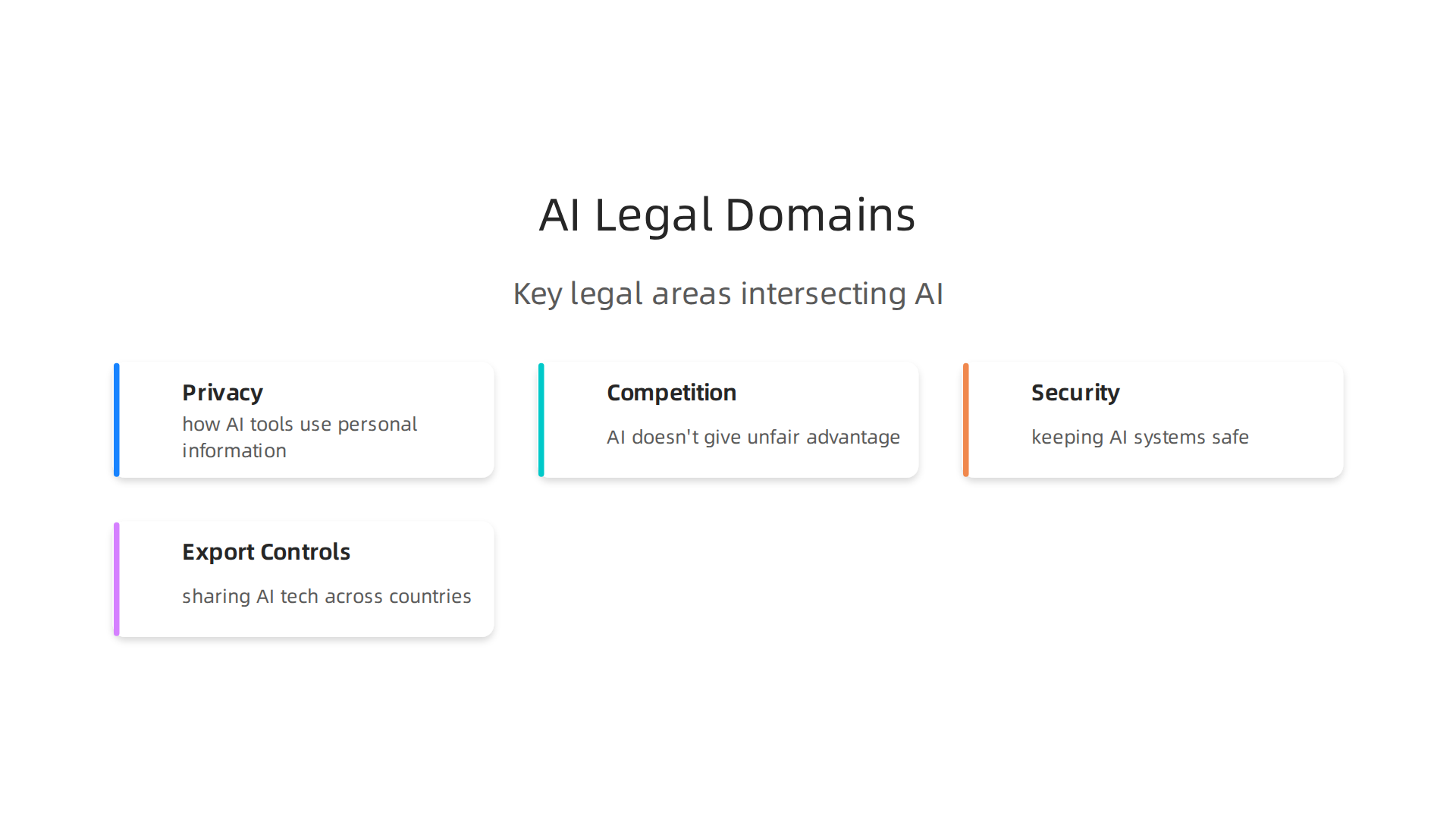
- Privacy: This is about how AI tools use your personal information. Strong privacy laws actually make people feel safer using AI applications Cisco 2026 Data and Privacy Benchmark Study. It’s a big deal for any company using AI. You can read more about how AI background noise removal raises tough privacy and policy questions for leaders.
- Competition: Rules here make sure that AI doesn’t give some companies an unfair advantage over others.
- Security: This focuses on keeping AI systems safe from hacks or misuse. It’s about protecting the AI itself and the information it uses.
- Export Controls: These are rules about sharing AI technology across different countries. They aim to control who can get powerful AI.
On top of these, how AI is used in the workplace is also a growing area of law. Many states are passing laws about using AI for hiring or managing staff 2026 State Artificial Intelligence Legislative Tracker. State governments themselves are also putting in place rules for using AI responsibly Beyond Generation: The Rise of Agentic AI in State Government.
Doing a complete artificial intelligence review means you have to keep these different laws and standards in mind. It’s not just about the engineering applications of artificial intelligence or how to build ai tools. It’s also about knowing the legal guardrails so you can make smart decisions and help your organization stay compliant in a fast-changing world.
It’s clear that understanding the rules for AI is important. But knowing the rules is just one part. The next big thing is seeing how these rules are actually put into action, which we call "enforcement." In 2026, many places are really starting to focus on how AI laws are enforced. This means government agencies are giving out more guidelines and making it clear what their main goals are when it comes to checking AI systems.
These agencies want to make sure companies are being transparent. Transparency means being open about how AI works and what data it uses. They also want to see that AI systems are safe, which involves careful safety testing. And, of course, proper documentation is key.
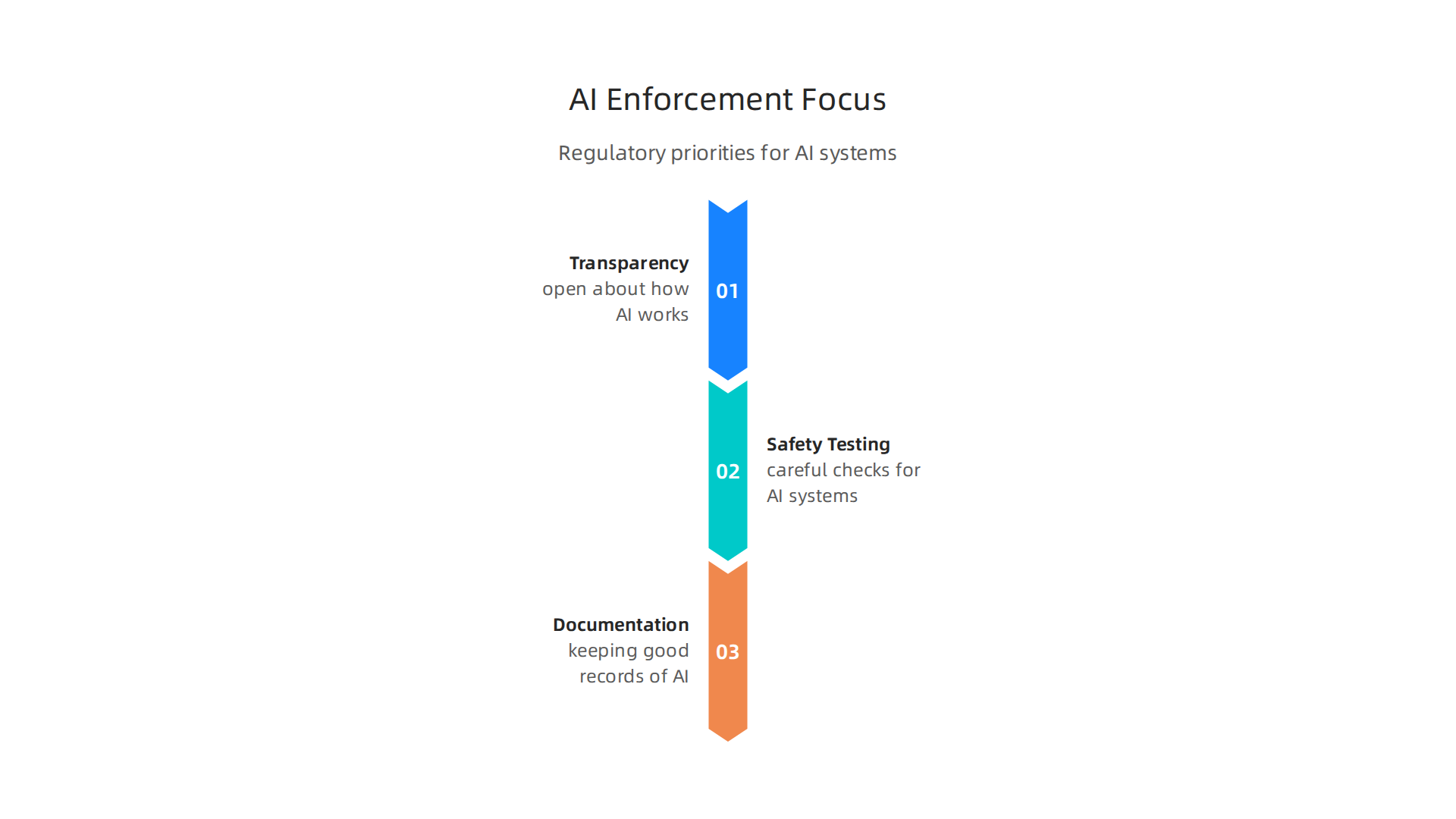
This means keeping good records of how an AI system was built and how it’s used. These steps are all part of a thorough artificial intelligence review that companies need to do.
Regulators are looking closely at how AI affects people. For example, if an AI is used in important decisions, like in hiring or lending money, agencies want to know that it’s fair and unbiased. The goal is to make sure AI benefits everyone without causing harm. Reports, like the International AI Safety Report 2026, help highlight these key safety concerns.
To help companies and people understand these complex rules, governments are putting out more helpful documents. These guidance documents explain the artificial intelligence basics in simpler terms. They show what businesses need to do to follow the law, especially when using different AI tools. For instance, some guidance might focus on how to conduct safety tests for new AI. Others might give advice on how to correctly document an AI system’s learning process. For policy professionals and executives, staying updated on these changes is vital. You can find more information on New Human AI Interaction Guidelines to understand what’s expected.
As AI continues to grow, so will the ways governments try to manage it. Staying informed about these changes in enforcement and new guidelines is a big part of any smart artificial intelligence review. It helps organizations not just follow the law, but also build trust with their customers and the public.
To keep up with the fast-moving world of AI policy, you need clear and timely information. Get clear daily AI updates from The AI Newsletter Worth Reading.
To truly understand an AI system and ensure it follows the rules, we need more than just guidelines. We need ways to actually test the AI. This is where technical evaluation frameworks come in handy. These frameworks are like special toolkits that help experts do a deep artificial intelligence review. They check the AI model for important things like safety, how strong it is, and where its data comes from.
In 2026, many different frameworks and benchmarks are used to check AI models. Benchmarks are like standard tests that all AI models can take, so we can compare how well they do. For example, some frameworks help make sure an AI is safe and does not cause harm. Others check its robustness, which means how well it works even when the information it gets is a little bit messy or unexpected. A big report on this topic is the Joint Evaluation Framework for Comprehensive AI Safety Assessment, which helps guide these checks. We also look at transparency, which is about understanding how the AI makes its decisions. This is part of responsible AI, as highlighted in reports like the Responsible AI | The 2026 AI Index Report – Stanford HAI.
Another key part of this technical review is looking at dataset provenance. This means checking where the data used to train the AI came from. It’s important to know if the data is fair and doesn’t have biases, because biased data can lead to biased AI tools. By carefully checking the data’s source, we can help ensure the AI behaves fairly.
For those working with these systems, understanding the different AI Benchmarks 2026: Top Evaluations and Their Limits is very important. These tools help measure the quality, safety, and reliability of AI.
Once technical experts complete an artificial intelligence review using these frameworks, they need to share what they found in a clear way.

This means taking complex technical details about the AI tools and turning them into easy-to-understand information for policymakers. This way, the people who make rules can use these findings to create better laws and guidelines. This ensures that the technical checks actually help shape policy and make AI safer and more trustworthy for everyone. If you’re looking to get into this field, knowing the engineering applications of artificial intelligence is a great start. This kind of work helps bridge the gap between complex AI technology and the everyday rules that keep us safe. It also helps companies deal with Genspark AI Regulation And Policy Challenges For Tech Executives.
Risk Assessment & Compliance Playbook for Organizations
Once technical experts finish an artificial intelligence review, organizations need a clear plan to use these findings. This means having a special playbook for checking risks and making sure they follow all the rules. In 2026, companies are finding this more important than ever. It’s about taking technical information and turning it into clear steps for their teams.
A Step-by-Step Risk Assessment Template
Imagine your organization is creating new AI tools. How do you make sure these tools are safe and fair? You start with a risk assessment. This is like a checklist that helps you find possible problems before they become big issues.
Here’s how a good template might work:
- Identify Risks: First, think about what could go wrong. Could the AI be biased? Could it make mistakes that harm people? Is personal information kept safe? This is part of a thorough artificial intelligence review.
- Link to Policy Rules: Next, connect these risks to real-world rules and laws. For example, if there’s a law about data privacy, your assessment should show how your AI handles private data according to that law.
- Set Up Controls: Then, put controls in place. These are actions or safeguards to stop the risks. This might mean checking your data sources more carefully or having human experts review AI decisions. For example, a survey shows the importance of safety evaluation of LLMs to make sure they are deployed responsibly.
- Document Everything: Keep good records of all your steps. This shows that your organization is serious about responsible AI.
Using a structured risk assessment helps bridge the gap between complex artificial intelligence basics and practical safety measures. It ensures that the operational controls your teams use match the policy requirements. This is key for any organization looking to make an artificial intelligence review part of its core process.
Compliance Priorities and Governance Structures
Dealing with AI rules isn’t just one person’s job. It needs everyone working together. Different teams have different roles:
- Product Teams: These teams build the AI tools. They need to understand what "responsible AI" means from the very start. They must know the rules to design AI safely.
- Legal Teams: These experts keep up with new laws and advise the company. They make sure everything the company does with AI is legal and safe.
- Policy Teams: These teams often work to create the company’s internal rules for AI. They also help the company talk to governments about AI regulations.
To make sure everyone is on the same page, organizations need strong governance structures. This might mean having a special committee that looks at all new AI projects. It could also mean having clear guidelines on how to make decisions about AI. This ensures that a modern approach to artificial intelligence is used across the company. Regular training and updates are also important, as AI technology and its rules change fast. Getting a better grasp on these policies can help you improve your how AI policy in the public sector is transforming government compliance in 2026.
Staying informed about the fast pace of AI regulations and policy is a big challenge for many professionals. To get clear daily AI updates from The Deep View Newsletter, you can The AI Newsletter Worth Reading. This helps you stay ahead in the complex world of technology policy.
Dealing with AI rules isn’t just about making sure your company follows the law. It also changes how businesses compete, how much things cost, and where investors put their money. In 2026, understanding these shifts is super important for leaders and anyone looking to invest.

Experts predict that AI will greatly change the economy and markets in 2026 How will AI shape the economy and markets in 2026?.
How Policy Changes Shift Competitive Dynamics, Costs, and Investment Risk
When new AI policies come out, some companies might find it easier to adapt than others. This creates new ways for businesses to compete. For example, a company that quickly puts a strong artificial intelligence review process in place might be seen as more trustworthy. This could give them an edge over competitors who are slower to act. New rules can also make it more expensive to create or use AI tools. Companies might need to hire more legal experts, update their AI software, or train staff on the latest artificial intelligence basics. These extra costs can affect a company’s profits and how attractive it looks to investors.
Investors are also paying close attention to how well companies handle AI regulations. If a company doesn’t seem to have a good plan for AI governance or if it faces big fines for not following rules, investors might see it as too risky. This can make it harder for those companies to get money for new projects or to grow.
A Way to Evaluate Business Impact from Regulations
To handle these changes, companies need a smart way to look at how new rules might affect their business. Think of it as a checklist to see what could happen:
- Look at Different Scenarios: What if the government passes a very strict AI law? What if it’s more relaxed? Companies should think about these different futures and how each might impact their sales, costs, and reputation.
- Check Your AI Tools: Does your current set of AI tools meet future imagined rules? If not, what would it cost to update them? This includes checking your engineering applications of artificial intelligence.
- See the Ripple Effect: A new rule might not just affect one part of your business. It could change how you get data, how you build products, and even how you talk to customers.
- Plan Your Response: Based on what you find, make a plan. This might mean getting ready to change your AI models, setting aside money for compliance costs, or even deciding to focus on different types of AI.
By doing this, companies can be better prepared for policy shifts. Staying informed about the biggest information technology policy shifts of 2026 can help businesses make smarter decisions for their future growth. This kind of planning helps companies turn possible problems into chances to grow and stay ahead.
Knowing what might happen is good, but seeing what others have actually done is even better. Let’s look at some real-life examples of how companies are dealing with new AI rules in 2026. These stories show us what works and what doesn’t, helping your team with its own artificial intelligence review.
Real-Life Company Actions and What We Learn
Many businesses are already making changes to keep up with AI policies. For instance, some companies in healthcare and finance have had to quickly set up strong artificial intelligence review processes. These are industries with some of the most strict needs for AI compliance in 2026 Top 7 industries with stringent AI compliance needs in 2026. They’ve invested in special AI tools to check if their AI systems are fair and safe. This helps them avoid big fines and keeps their customers trusting them.
Other companies have changed their products because of new rules. For example, a tech company that used AI to suggest things to users had to redesign its system. New privacy laws meant they could not use certain customer data anymore. This called for a big change in their engineering applications of artificial intelligence. They had to find new ways to make their AI work without breaking the rules.
Important Lessons for Your Team
From these examples, we can learn a few key things:
- Act Fast: Don’t wait until a new rule is fully in place. Start your
artificial intelligence reviewearly. Companies that act quickly often do better. - Know Your AI: Make sure everyone on your team understands the
artificial intelligence basicsof yourAI tools. This helps them spot problems before they get too big. - Keep Checking: An
artificial intelligence reviewis not a one-time thing. You need to keep checking your AI systems regularly as rules and technology change. - Look for Red Flags: If your AI system is using data in a way that feels tricky or hard to explain, that’s a red flag. If it’s making decisions that seem unfair, that’s another. These issues often lead to problems with new policies.
- Train Your People: Ensure your team, including those who work on
engineering applications of artificial intelligence, knows how new policies affect their daily tasks. If you’re looking to get into this field, you might wonder How to become an AI engineer in 2026 with policy expertise.
By learning from what other companies have faced, your organization can be much better prepared. You can turn potential policy headaches into opportunities to build more trusted and responsible AI tools.
For more in-depth insights into these topics, consider subscribing to The AI Newsletter Worth Reading to get clear daily AI updates.
Learning from others is a great start. But how do you actually keep up with all the changes in AI rules every single day? It’s like trying to catch water in your hands. In 2026, new rules for artificial intelligence review pop up all the time. This means your team needs smart ways to stay on top of things.
How to keep reviews current: trackers, data feeds, and research workflows
To make sure your artificial intelligence review is always up to date, you’ll want to use a few helpful tools and methods. Think of it as building a strong system to catch all the important information.
First, consider automated trackers. These are like special alarms that tell you when new AI laws or guidelines are made. Many tools can track global AI regulations and policies automatically, helping busy teams stay informed Global AI Law and Policy Tracker – IAPP.
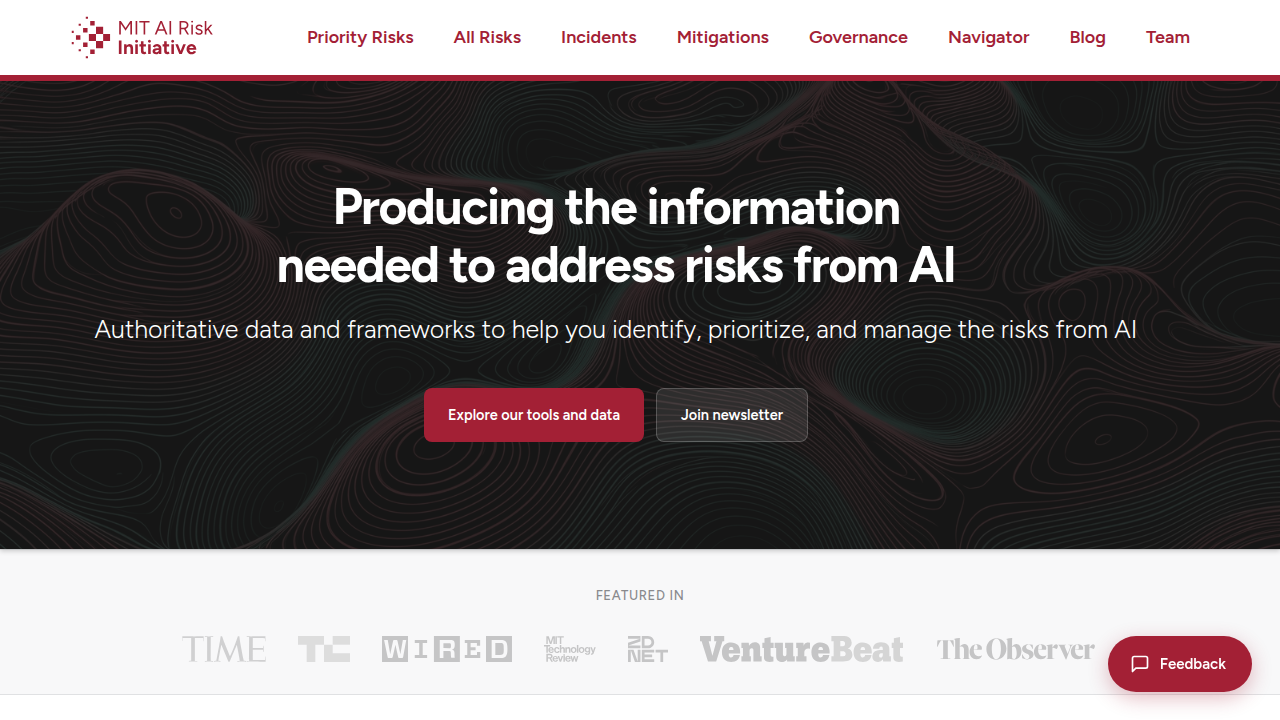
This is much faster than looking for news yourself. Some even offer detailed maps of the AI governance landscape, showing what’s happening and where Mapping the AI Governance Landscape: April 2026 Update.
Next, curated data feeds and expert channels are super useful. These are like getting a daily newspaper just about AI policy, but better. They collect information from many sources and give you only the most important parts. This helps everyone, from those learning artificial intelligence basics to experts in engineering applications of artificial intelligence, get useful knowledge quickly. You can also find top AI-powered data governance tools that focus on compliance and automated tracking Top 9 AI-Powered Data Governance Tools for 2026.
For busy teams, having clear research workflows is a must. This means setting up a simple plan for how your team will look at new information. For example, one person might check the automated trackers, another might read expert summaries, and then you all meet to talk about what it means for your AI tools. This way, you share the work and everyone knows their part. It’s also a good idea to stay updated with general tech news analysis for policy professionals to spot bigger trends.
Remember, an artificial intelligence review is not a one-time job. It’s an ongoing process. By using these practical steps, your organization can keep its AI systems safe and fair, no matter how fast the rules change. This proactive approach helps you adapt quickly to the biggest information technology policy shifts of 2026 and helps you avoid problems before they even start.
Summary
This article explains why a rigorous, policy-focused artificial intelligence review is essential in 2026 and gives a practical roadmap for doing one. It covers the fractured global regulatory landscape, key legal domains like privacy and export controls, and how enforcement is shifting toward transparency, safety testing, and documentation. The piece also describes technical evaluation frameworks, dataset provenance checks, and benchmarks you can use to test model behavior and robustness. It provides a step-by-step risk assessment template and shows how governance, cross-functional roles, and documented controls turn technical findings into actionable compliance. Finally, it explains how policy changes affect business costs and investment risk, offers real-world company examples, and recommends tools and workflows—trackers, curated feeds, and research processes—to keep reviews current as rules evolve.