

Why ‘tech systems’ matter now for policy and industry
Think about all the digital tools and programs that work together to gather, store, and share information. These are what we call ‘tech systems’ or "information technology." They include everything from your phone to big government computers. The National Institute of Standards and Technology describes information technology as any equipment or connected system used to manage data by an agency

information technology (IT) – Glossary. In 2026, these systems are changing fast. They touch every part of our lives, from how we talk to friends to how governments serve people.
For people who make rules, invest money, or ensure companies follow laws, understanding these tech systems is super important.

Why? Because new rules are always being made for things like artificial intelligence (AI), how we keep our data private, and how companies use these powerful tools. For example, trends in 2026 show governments are making big changes to how they deliver services, manage regulation, and even how they buy technology

Government-Trends-2026. These changes affect everyone, from startup businesses with new life technologies to larger operations like PDI Technologies.
Many professionals find it hard to keep up. There’s so much news, new laws, and big tech companies always changing things. It can feel like too much information to sort through. Plus, it’s tough to know how new policies will affect their work or investments. They need clear answers to make sure they follow all the rules and avoid problems. You can learn more about some of these changes by reading about The biggest information technology policy shifts of 2026.
This article is here to help. We will give you simple, clear advice based on facts. You’ll get a plan to help you stay updated on all the important changes in tech systems and policy. Our goal is to make it easier for you to understand what’s happening and how to deal with it.
To keep up with daily, detailed insights into AI and technology policy, consider subscribing to The AI Newsletter Worth Reading.
Mapping the policy landscape for tech systems
Now that we know why tech systems are so important, let’s look at the rules and laws being made for them. These rules change how businesses, governments, and even new "life technologies" work. In 2026, many different areas of law are making new rules for technology.
Key Rules for Tech Systems
There are four main areas where rules for tech systems are being made:
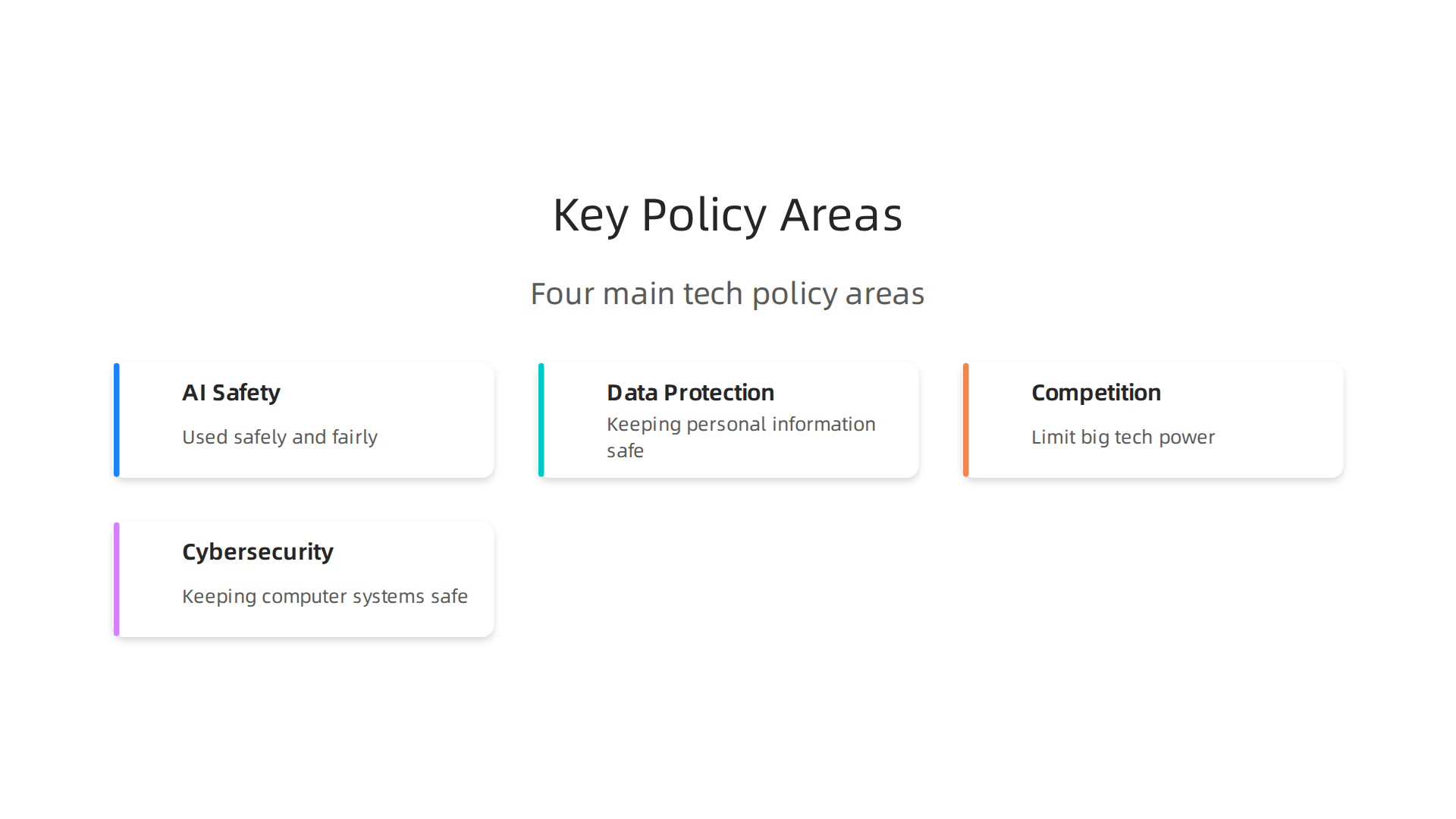
- AI Safety: Governments around the world are creating rules for artificial intelligence (AI). These rules want to make sure AI is used safely and fairly. For example, the European Union has a big law called the EU AI Act, which will bring more rules throughout 2026 and 2027, especially for AI systems that carry high risks Global Privacy Watchlist. In the U.S., states are also making their own AI laws, making it important to keep track of changes in places like New York, California, and Vermont
AI Watch: Global regulatory tracker – United States.
- Data Protection: This is about keeping your personal information safe. Many new privacy laws came out in 2026 in different U.S. states, like Oklahoma, Alabama, Louisiana, and Vermont. This means companies like Castelion Corporation need to be very careful with how they handle customer data everywhere they operate 2026 Legislative Update: New Data Privacy & AI Laws.
- Competition: These rules stop big tech companies from having too much power and make sure smaller businesses can still grow. This helps keep the market fair for everyone, from small startups to larger operations like PDI Technologies.
- Cybersecurity: This area focuses on keeping computer systems safe from bad actors. A big trend in 2026 is moving towards "zero trust frameworks," which means always checking if someone or something is allowed to access information, even if they are already inside the network Predictions 2026: Three ways government tech will surprise us year.
Rules Can Change from Place to Place
One tricky part is that the rules and even the definitions of what counts as a "tech system" or "AI" can be different depending on where you are. What’s allowed in one country or state might not be in another. This is especially true for companies that work across many borders, like those developing new life technologies or global platforms. Understanding these different "technology definitions" is key to staying out of trouble Technology definitions. It requires paying close attention to specific laws in each place, as shown in the updated rules for data privacy and AI across the globe Data Privacy AI Regulatory and Compliance Update 2026.
Finding Good Information
To stay updated, it’s smart to look for information from trusted sources. This includes reports from government agencies, industry groups, and specialized news sites. For example, you can find out about specific changes in state and local government tech from reports like 2026 Tech Trends in State and Local Government. Keeping up with tech news analysis for policy professionals can also help you turn daily headlines into useful insights for your work.
Now that we’ve seen the important rules for tech systems, let’s learn about the different groups and people who help make these rules. These "key tech players" have a big say in how new laws are made, especially for areas like artificial intelligence and life technologies.
Who the Key Tech Players Are
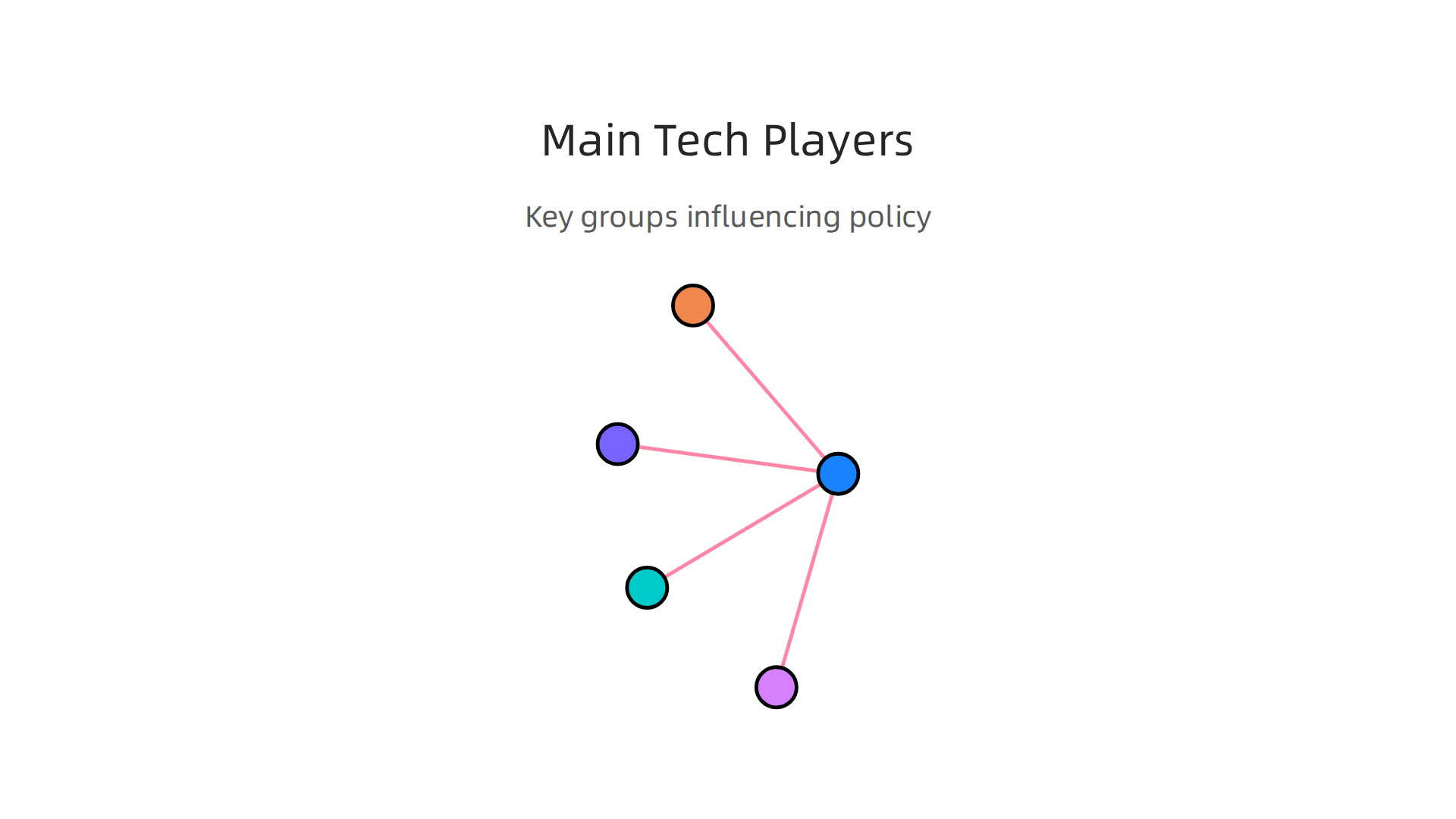
Many different groups work to shape policy around tech systems.
rofessionals collaborating, symbolizing the various key players shaping tech policy.](https://techpolicynewstoday.com/wp-content/uploads/2026/07/weblish-inline-84747.jpg)
Here are the main ones:
- Big Tech Companies: These are the large companies you know, like the ones that own popular social media or search engines. They spend a lot of money to make sure new laws are fair to them. In fact, in the first part of 2026, many big tech companies and AI companies spent millions of dollars trying to influence lawmakers in Washington Big Tech Lobbying Spending Q1 2026.
- New Startups: Smaller, newer companies, sometimes called startups, also have a voice. They want to make sure new rules don’t stop them from growing and inventing. For example, knowing How an AI Development Company Navigates Regulation and Opportunity in 2026 is very important for these new businesses.
- Trade Groups: These groups bring many companies together to speak with one voice. They help explain what their industry needs from new laws.
- Rule-Setting Organizations: Some groups create technical standards that companies often follow. These standards can later become part of official laws.
- Think Tanks and Researchers: These are groups that study important topics and give advice to lawmakers. They help everyone understand the complex parts of new tech systems. Places like Lawrence Tech, for example, might contribute to research that informs policy.
How They Shape Policy
These groups use different ways to influence policy:
- Lobbying: This is when they talk directly to lawmakers and their staff to share their ideas about new laws. As we saw, many tech companies spend a lot on this. For instance, in 2025, AI builders like OpenAI and Anthropic spent record amounts on lobbying efforts AI’s Biggest Builders Are Now Its Biggest Lobbyists.
- Working with Governments: Sometimes, companies and governments work together on new projects or ideas. This is called a public-private partnership.
- Setting Standards: They also help create the technical rules and guidelines that products follow.
- Funding Research: They might give money for studies that help show how a certain tech system works or what rules might be best.
What to Look For
To understand how tech players might change policy, you can watch for a few things:
- New Lobbying Efforts: Are they spending more money or hiring new people to talk to lawmakers?
- Public Statements: What are company leaders saying about new laws in speeches or news articles?
- New Partnerships: Are they working with governments or other companies in new ways?
Staying on top of these changes can be hard because the tech world moves so fast. To help you stay updated, consider subscribing to The AI Newsletter Worth Reading.
The tech world is always moving fast, which makes it hard to keep up with all the new rules. But understanding these changes is key for anyone working with modern tech systems. Here are the most important things to watch out for in 2026.
New Rules and What They Mean
Governments are setting up new rules that businesses need to follow. These rules often ask companies to do a few main things:
- Check for Risks: Many new laws require companies to look closely at their tech systems, especially those using artificial intelligence, to find and fix possible dangers. This is called a risk assessment. For example, some US states are making these risk checks a higher standard for data security and privacy 2026 Data Security and Privacy Compliance Checklist.
- Report Problems: Companies might also need to report when something goes wrong with their tech systems. This helps everyone learn and improve safety.
- Rules for Specific Areas: Some new rules are made for certain types of tech or industries. Think about rules for self-driving cars or new life technologies in healthcare.
How Rules Are Being Enforced
It’s not enough to just have rules; governments also need to make sure companies follow them. In 2026, we are seeing more governments actively checking and giving out penalties if rules are broken. They are prioritizing serious issues, like unfair use of AI or breaches of privacy. Regulators are using the laws they already have to make sure tech companies are being responsible AI Regulation 2026: Turning Regulatory Complexity into ….
Rules Around the World
One big trend is how different parts of the world are making their own rules for tech.
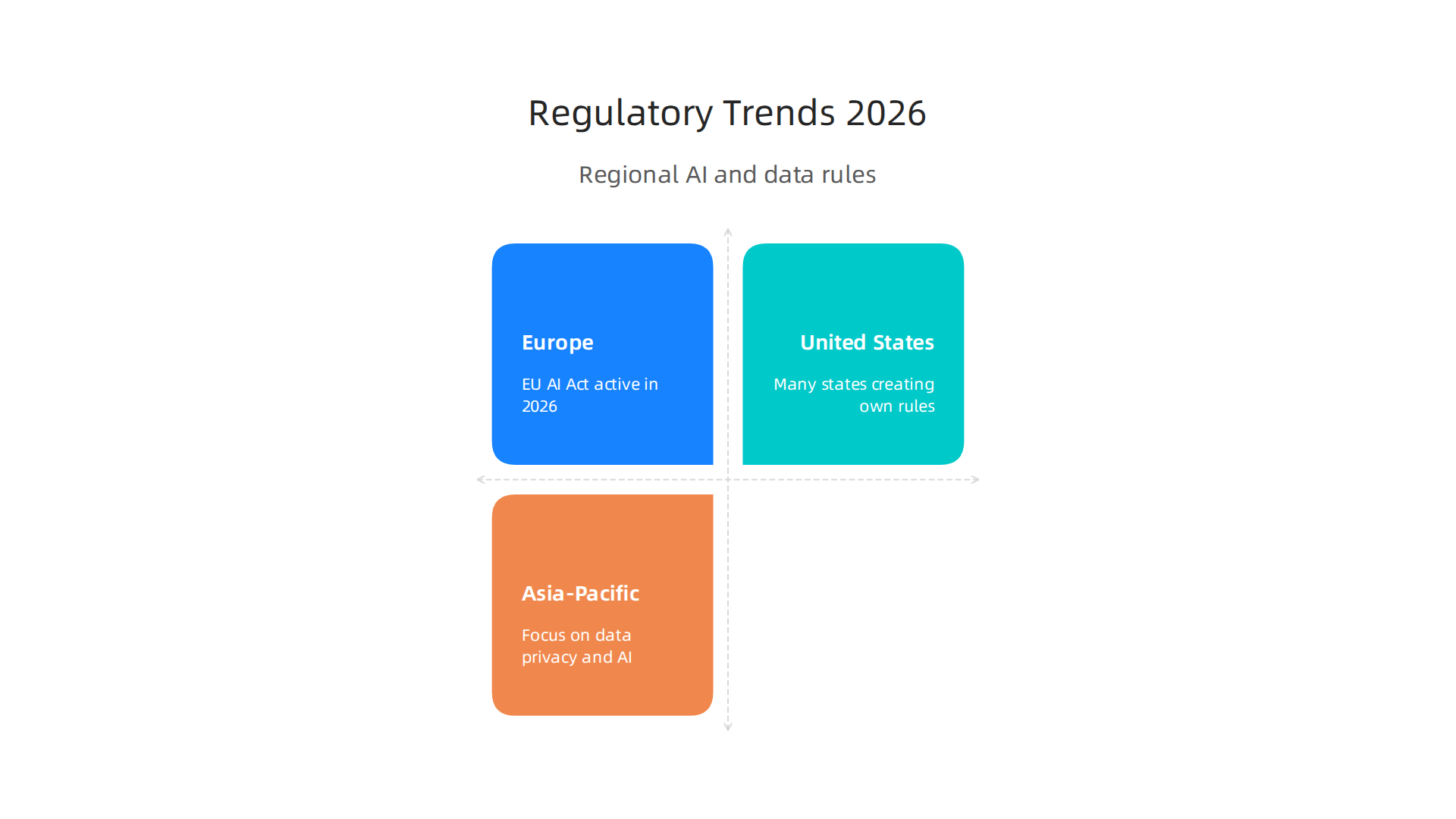
- Europe (EU): The European Union is often a leader here. Their AI Act, a big set of rules for artificial intelligence, will be fully active by August 2026. This means companies using AI in Europe will need to meet strict requirements, especially for high-risk AI systems AI Governance and Regulation 2026: A Complete Guide to ….
- United States (US): In the US, it’s a bit different. While there isn’t one big federal AI law yet, many states are creating their own rules. For example, states like Oklahoma, Alabama, Louisiana, and Vermont have new privacy and AI laws in 2026 2026 Legislative Update: New Data Privacy & AI Laws | LP.
- Asia-Pacific (APAC): Countries in Asia are also putting their own rules in place, often focusing on data privacy and how AI is used. For a deeper look at how different countries handle these laws, you can check out a Tech Policy 2026: Global Comparison of AI Regulations Across the US, EU, China, and Beyond.
While these regions have their own ways of making rules, many are moving towards similar goals: making sure tech is safe, fair, and respects people’s privacy.
Cross-border Governance and International Coordination Challenges
While different parts of the world are creating their own rules for technology, this also brings a new challenge: how do these rules work together? It’s like having many different roads, each with its own speed limits and traffic laws. For companies, especially those that use advanced tech systems all over the world, this can get tricky.
One big problem is with data flows. This means how information moves from one country to another. If one country has very strict privacy rules about what can be done with personal data, and another country has looser rules, it creates friction. Companies need to make sure they follow all the rules, no matter where the data goes. Another challenge is standards alignment. Countries might have different ideas about how safe or fair AI tech systems should be. For example, what is allowed in the EU might be different from what’s accepted in the US or Asia. This means companies often have to make different versions of their AI tech systems for different places.
The good news is that countries are starting to work together to make things simpler. In 2026, we are seeing more international cooperation.

One important step was the Global Digital Governance Treaty, which came into effect in May 2026. This treaty helps set shared ideas for how data moves across borders, how to keep things safe online, and how to use AI fairly Daily Current Affairs 13 May 2026 — Global Digital Governance …. There are also other international efforts, like the Council of Europe’s treaty focused on human rights and the rule of law for AI International AI Treaty. These agreements and talks between countries help create a more common understanding, making it easier for businesses to know what’s expected.
For organizations that work in many countries, this means they need to be very careful. They must understand all the different rules where they operate. They also need plans for how their AI systems will meet these varied demands. This complex landscape of global rules on AI and data privacy needs careful watching in 2026 AI, Privacy, and Cross-Border Risk: A 2026 Outlook. Staying informed about these changes is key to avoiding problems and making sure their tech systems are compliant everywhere.
To help stay on top of all these changes, many professionals find it useful to get regular, clear updates.
Get clear daily AI updates from The AI Newsletter Worth Reading.
Navigating the global maze of technology rules, as we talked about earlier, means companies need a smart way to figure out what these rules truly mean for them.

It’s not enough to just know about new laws. You also have to understand how they will change your business. This part is about looking closely at your tech systems and what could go wrong, so you can make good plans.
Mapping Policy to Business Impact
First, companies need a way to link new rules to how they build products, handle legal matters, and sell things in the market. Imagine a new privacy law comes out. How does it affect the way you design your next app? What changes do your legal papers need? And how will customers react in different countries?
You can think of it like this:
- Product: Does a new rule mean your products, like those from a company such as Castelion Corporation, need to collect less data? Or maybe you need to add new safety features?
- Legal: Will you need new contracts or special agreements for data sharing? You might need to check with experts who understand both tech and law.
- Market: How will these rules change what customers expect or how you can advertise your [life technologies] or other advanced tech systems?
Understanding these links helps you see the full picture of a policy’s impact. It is how an AI development company navigates regulation and opportunity in 2026.
Prioritizing Risks and Investing Wisely
Not all risks are equal. Some new rules might only cause small changes, while others could completely change how you do business. Companies need to decide which risks are most important. This helps them know where to put their money. Should they spend a lot to make sure they follow every rule, or should they try to talk to lawmakers to change the rules?
Many big tech companies, including those focused on AI, spend millions of dollars to share their views with government leaders. In fact, in the first three months of 2026 alone, some major tech companies spent about $20 million on federal lobbying efforts Tech Lobbying 2026: AI Giants Spend $20M on Political Influence. This shows that influencing policy is a big part of how these companies manage risk.
On the other hand, investing in compliance means using tools and staff to make sure you follow the rules. This might involve using special software. For example, MetricStream is a trusted compliance management tool for many large companies in 2026
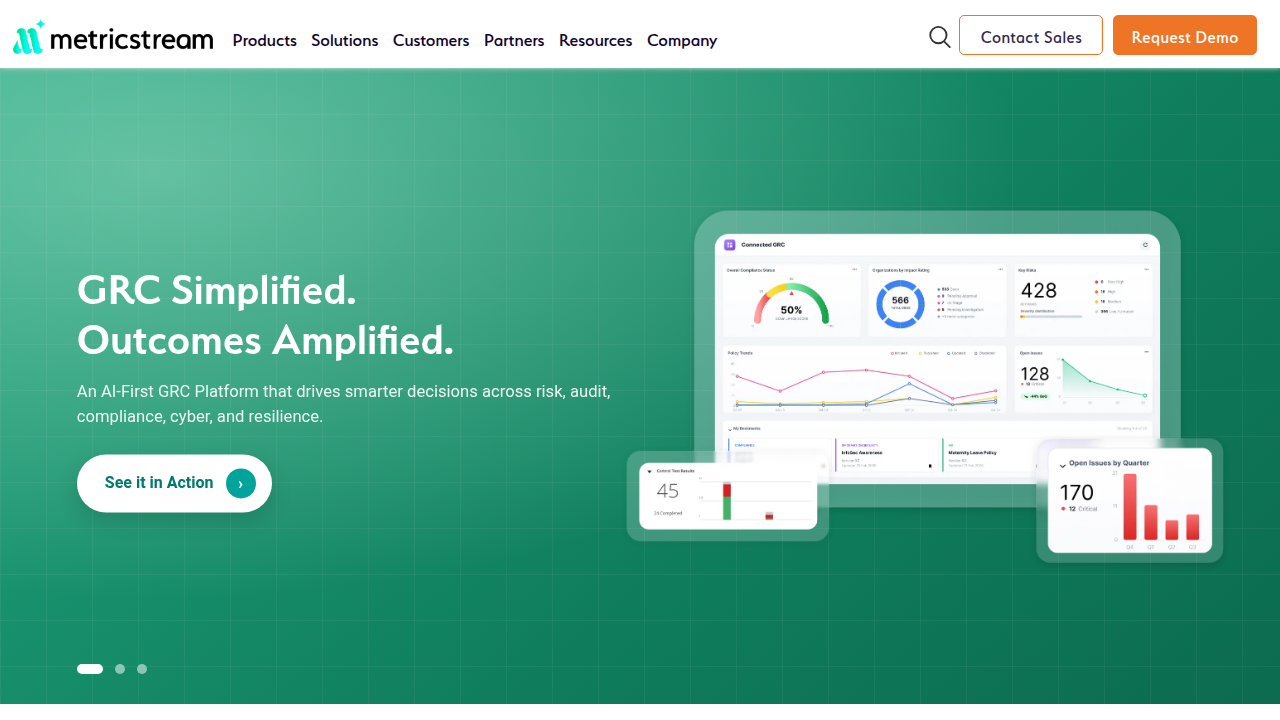
The Top 5 Compliance Tools For 2026. These tools can help track rules, collect proof of following them, and make reports.
Common Blind Spots Organizations Overlook
Even with good plans, companies often miss certain things. These are like blind spots that can cause problems later.
- Not looking ahead enough: Some only react to new rules instead of trying to guess what might come next. They don’t think about how small changes now could lead to big ones for [PDI Technologies] later.
- Ignoring smaller trends: Sometimes, new ideas or worries about tech start small, but then grow very fast. If you only look at big, obvious issues, you might miss these growing concerns.
- Forgetting about local differences: While international rules are important, local city or state laws can also have a big impact on your tech systems.
- Not talking to everyone: It’s important to get ideas from different teams in your company, like engineering, legal, and sales. Everyone sees different parts of the problem.
By being aware of these blind spots, companies can make stronger plans and better protect their tech systems in a world where rules are always changing.
Even with good plans, companies often miss certain things. These are like blind spots that can cause problems later. By being aware of these, companies can make stronger plans and better protect their tech systems in a world where rules are always changing. The next step is to actively put those stronger plans into action.
Practical strategies for policy engagement and mitigation
It is not enough to just see where problems might arise. Companies need real ways to act and make changes. This means knowing when to talk to lawmakers and when to simply adjust how they work.
When to talk and when to change
Sometimes, companies can try to help shape new rules. This is called policy engagement. It can happen in a few ways:
- Lobbying: This is when companies talk directly to government leaders and their staff about new laws. Many big tech companies spend a lot of money on this. For example, in just the first three months of 2026, major tech firms spent millions of dollars trying to influence federal laws, with some spending over $226,000 each day Congress was in session, as noted in a report on Big Tech lobbying spending in Q1 2026. They do this to make sure new rules don’t hurt their business or stop new ideas from growing. Some even work to halt things like social media bans, according to reporting on Big Tech lobbying machines.
- Standards Bodies: These are groups that set common rules for how tech should work. Companies can join these groups to help write the rules. This is especially true for complex [tech systems] and new areas like artificial intelligence.
- Public Comment: When new rules are being thought about, governments often ask for ideas from companies and the public. This is a chance to share how a new rule might affect your business or your customers.
Other times, it is better to simply adapt to new rules. This means changing your products or services to follow the law, rather than trying to change the law itself. For companies like Castelion Corporation or PDI Technologies, knowing which path to take saves a lot of time and money.
Blueprints for internal alignment
For any strategy to work, everyone in the company needs to be on the same page. This means different teams must work together, like parts of a machine.
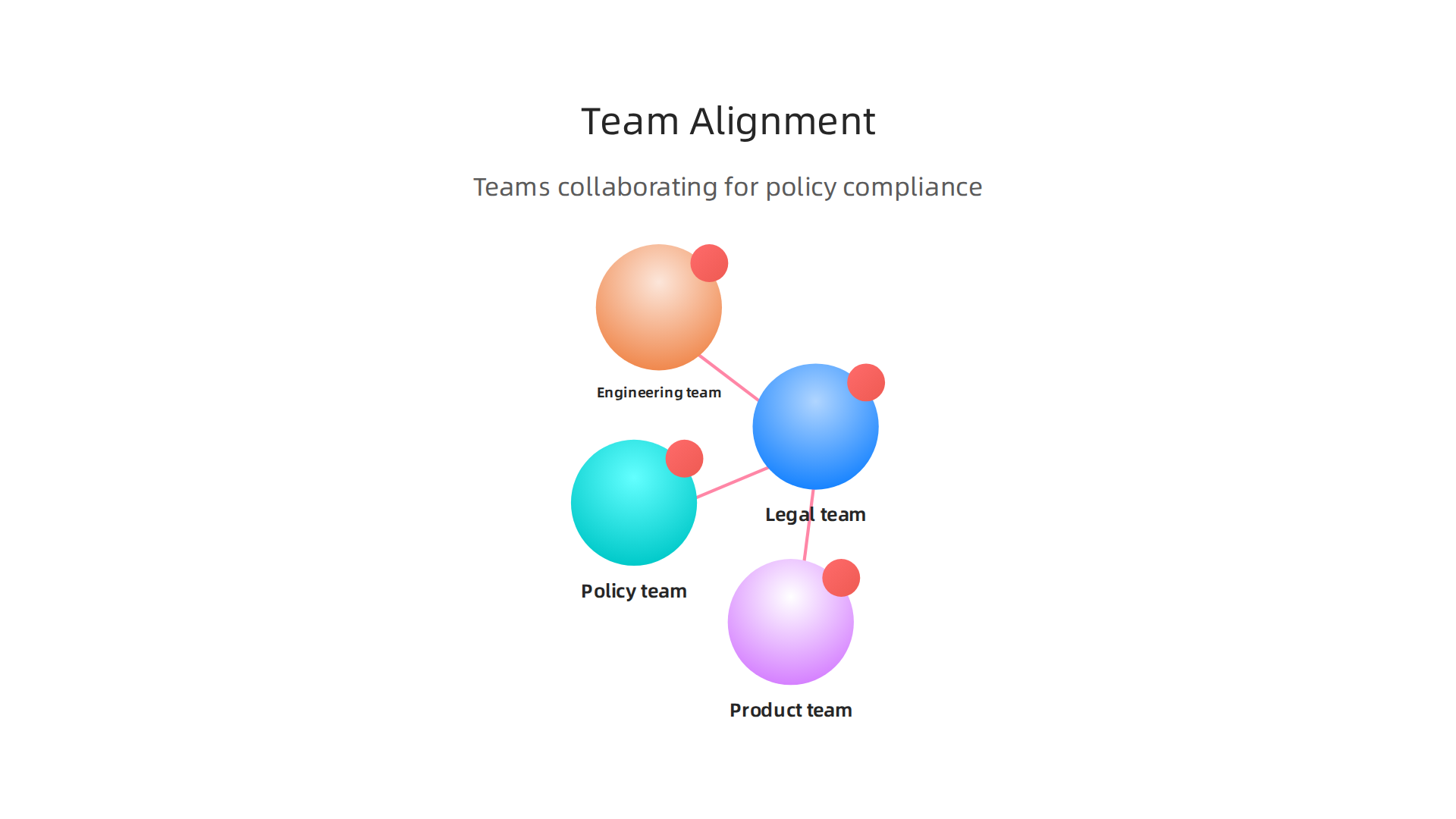
- Legal team: They know the laws and help make sure the company follows them.
- Policy team: They keep track of new rules coming up and explain what they mean for the business.
- Engineering team: They build the [tech systems] and products, like those using advanced [life technologies]. They need to know how to make changes if a new rule requires it.
- Product team: They design what the customer sees and uses. They must make sure new features meet legal needs and customer expectations.
Bringing these teams together helps create a clear plan. It ensures that everyone understands the goal and how their work fits in. For those who want to deepen their understanding of how these roles intersect, exploring AI literacy for policy professionals can be very helpful.
Templates for credible policy positions and rapid changes
To engage effectively, companies need a clear voice. This means having:
- Credible Policy Positions: These are well-thought-out ideas about how new laws should be written. They explain why a certain approach is good for the company, for customers, and for the public. This helps lawmakers understand your point of view.
- Rapid Operational Changes: When a new rule does come out, companies need to be able to make changes quickly. This might mean having special software that helps track rules or having a clear plan for updating how products work. Knowing the biggest information technology policy shifts of 2026 can help prepare for these changes.
Having these plans ready helps companies respond smartly to new rules and stay ahead in the fast-changing world of technology.
To further deepen your understanding of these complex and quickly evolving topics, consider subscribing to a trusted source for daily insights.
The Deep View Newsletter provides daily, detailed insights and analyses on AI and technology policy directly to your inbox. Get clear daily AI updates from The AI Newsletter Worth Reading.
Knowing when to talk to lawmakers or when to change your ways is only half the battle. The other half is actually staying on top of all the new rules and changes as they happen. In 2026, with so many new laws about technology, this is a big job for companies.
Keeping track of new rules
Companies need a good way to watch for new laws, get alerts, understand what they mean, and tell the right people. This is like having a special team to keep watch.
- Sources of Information: The first step is knowing where to look. This includes official government websites, industry news, and reports from groups that study technology rules. For example, many countries have new laws about AI, like the EU AI Act or the Global Digital Governance Treaty, which came into force in 2026. Staying current on these big global changes is key.
- Getting Alerts: After finding good sources, the next step is getting alerts when things change. This means having tools that tell you as soon as a new rule is proposed or an old one is updated. You can use services that monitor websites for changes, as noted in a regulatory compliance monitoring guide.
- Making Sense of It: Once you get an alert, you need to understand what it means for your company. This is called synthesis. It’s about figuring out the main points and how they might affect your products or services.
- Telling the Right People: Finally, you need a clear way to tell the important people in your company about these changes. This is called an escalation pathway. It makes sure that legal teams, engineers, and leaders all know what’s happening.
Helpful tools for tracking rules
Luckily, many tools exist to help companies manage all this. These tools can track new laws, manage how a company follows rules, and even help with audits.
- Compliance Software: These are special computer programs that help companies follow many different rules at once. They can automate tasks and keep all compliance information in one place. Platforms like AuditReady or Scrut Automation help businesses track and manage rules across many different frameworks. You can find more about these in guides to essential compliance monitoring tools for 2026. These tools are very important for any company with complex [tech systems] that need to stay compliant.
- Open-Source Tools: Some tools are free to use and can be changed by anyone. These can be good for smaller companies or for very specific needs.
- Monitoring Standards: It is also helpful to follow groups that set common rules for how tech should work. This is especially true for advanced [life technologies] and other cutting-edge areas.
To learn more about how companies in the tech space keep up, read about how an AI development company navigates regulation.
Quick updates for leaders and engineers
It’s important to share updates with the people who make decisions and the engineers who build the products. A simple, regular update is best. This is what we call a "lightweight briefing cadence."
- For Leaders: Decision-makers need to know the big picture. What new rules mean for the company’s future? How will they affect growth, especially for companies like Castelion Corporation or PDI Technologies? Briefings should be short, clear, and focus on the main impacts.
- For Engineers: Engineers need to know specific details. What parts of the [tech systems] might need changes? What new security steps need to be put in place? These updates help them build products that follow all the new laws.
Having these regular, simple updates helps everyone in the company work together to meet the challenges of new technology rules. For a broader view, you can check out a global comparison of AI regulations.
Summary
This article explains why modern tech systems — from consumer apps to large government IT — are central to policy and industry debates in 2026, and shows how professionals can stay ahead. It covers the four major regulatory areas (AI safety, data protection, competition, and cybersecurity), explains how rules differ across regions like the EU, US, and APAC, and describes who influences policy. The piece walks through practical steps to map new laws to product, legal, and market impacts, prioritize where to invest in compliance, and spot common blind spots that cause regulatory risk. It also gives concrete engagement strategies — when to lobby, when to adapt — plus blueprints for internal alignment and templates for credible policy positions. Finally, it recommends monitoring practices and tools to get timely alerts and concise briefings for both leaders and engineers so organizations can respond quickly and stay compliant across borders.